

For years, smartphones have been the main gateway to digital information. They help us communicate, navigate, document experiences, and manage everyday tasks. Yet they also require us to stop what we are doing, look down at a screen, and interact with a device in our hands.
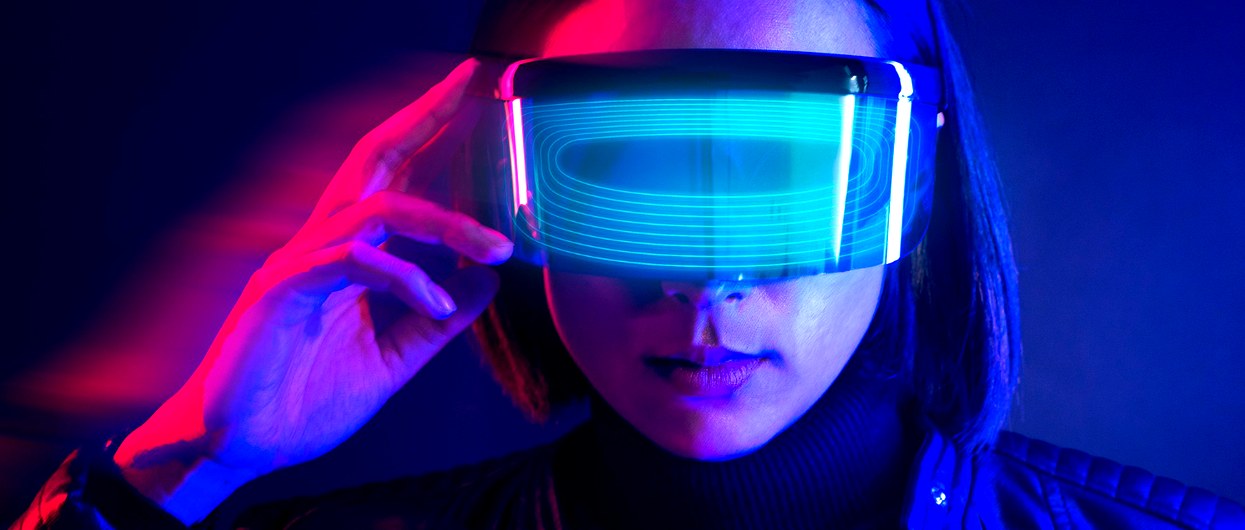
Wearable technology is beginning to offer a different approach. Instead of placing information on a separate screen, smart eyewear can make digital features available through familiar-looking glasses. Cameras, microphones, speakers, voice controls, and artificial intelligence can work together to create a more immediate and hands-free experience.
Current AI glasses demonstrate how these capabilities can be incorporated into everyday eyewear. Although the technology is still developing, it has the potential to change how people work, travel, and create content.
A More Natural Way to Use Technology
The most important difference between AI-powered eyewear and a smartphone is not simply where the device is worn. It is the way people interact with it.
A phone requires deliberate attention. Users must take it out, unlock it, open an application, and look at the display. Glasses can reduce some of these steps by allowing people to use voice commands, listen through built-in speakers, or capture what they are already seeing.
This does not mean that eyewear will replace smartphones anytime soon. Instead, the two devices may work together. A phone can continue to handle detailed tasks, while glasses provide quick access to useful features when taking out a screen would be inconvenient.
The result could be a less disruptive relationship with technology. People may be able to stay focused on the environment around them while still receiving digital assistance.
How AI Glasses Could Change the Workplace
Hands-free access to information could be useful in many working environments. Employees in offices, warehouses, shops, construction sites, and other field-based roles often need information while using both hands.
A maintenance worker, for example, could use voice controls to check instructions without stepping away from a repair. A retail employee might request product information while assisting a customer. Field sales representatives could record short notes immediately after a meeting instead of relying on memory at the end of the day.
AI could also help organise this information. A spoken note might be converted into text, summarised, and added to a task list. Photos captured during an inspection could be sorted according to time or location. These small improvements could reduce repetitive administrative work and make documentation more accurate.
In office settings, wearable devices may support calls, reminders, and quick communication. However, their value will depend on whether they genuinely simplify a task. Adding another connected device without solving a practical problem could create more distraction rather than less.
Businesses will therefore need to identify specific situations where hands-free access provides a measurable advantage.
Also read: How To Create A Second YouTube Channel? Steps To Create Multiple YouTube Channel + FAQs
Supporting Employees in the Field
Some of the clearest workplace applications may appear outside the traditional office.
Technicians, delivery teams, surveyors, event staff, and other mobile employees regularly move between locations. They may need to check directions, document completed work, contact colleagues, or confirm instructions throughout the day.
Smart eyewear could bring several of these activities into one device. A worker might capture a first-person image, ask a voice assistant a question, and communicate with a remote colleague without constantly switching between equipment.
In the future, computer vision may allow wearable devices to recognise objects or provide contextual information about the user’s surroundings. This could help employees identify equipment, locate items, or follow a sequence of steps.
Such features would still require careful testing. AI-generated information can be incomplete or incorrect, particularly when environmental details are unclear. For important decisions, wearable assistance should support professional judgement rather than replace it.
Making Travel More Convenient
Travellers often depend on their phones for maps, translation, photography, bookings, and communication. Constantly looking at a screen, however, can take attention away from the destination itself.
Hands-free technology could make some travel tasks more convenient. Spoken directions may help a visitor navigate an unfamiliar area without repeatedly checking a map. Voice-based translation could make simple conversations easier, while open-ear audio would allow the user to hear instructions without becoming completely disconnected from surrounding sounds.
Smart glasses may also help travellers document experiences from their natural point of view. Instead of stopping to take out a camera, they could capture a short video or photograph while walking, cycling, or exploring a landmark.
This could be particularly useful during activities where holding a phone is awkward. At the same time, travellers must remain aware of local rules, cultural expectations, and restrictions on photography. A feature that is acceptable in one location may be considered intrusive in another.
Battery life and connectivity will also affect how dependable wearable technology is during travel. Offline options, efficient power use, and secure access to essential information will be important if these devices are expected to become practical travel companions.
A New Perspective on Content Creation
AI-powered eyewear could have a significant effect on content creation because it reduces the gap between experiencing a moment and recording it.
Traditional filming often changes the creator’s behaviour. The person must hold a camera, frame the scene, and think about how the footage looks. Glasses make it possible to capture content from the wearer’s perspective while leaving both hands free.
This approach may be valuable for travel creators, chefs, craftspeople, fitness instructors, technicians, and educators. Viewers can see a task as the creator sees it, which may make tutorials and behind-the-scenes content feel more direct.
A chef could record a recipe without moving a camera around the kitchen. An artist could show the complete process of creating a piece. A traveller could document a walk through a city while interacting naturally with the surroundings.
First-person footage will not replace carefully produced video. It may contain unexpected movement, imperfect framing, or distracting background audio. Its appeal comes from immediacy rather than technical perfection.
For many creators, the most effective approach may be to combine wearable footage with traditional cameras and editing applications.
Also read: Firebase Studio: It Created YouTube Web Version Clone In Just 30 Minutes!
How AI Could Simplify the Creative Process
Recording is only one part of content production. Creators also spend time reviewing footage, selecting clips, writing captions, organising files, and preparing material for different platforms.
Artificial intelligence could help manage these tasks. It might identify useful moments in a longer recording, create searchable transcripts, suggest short clips, or group media according to subject and location. This could make first-person footage easier to organise after a busy day.
The real benefit would not necessarily be fully automated content. Instead, AI could handle repetitive parts of production while the creator remains responsible for the story, tone, and final decisions.
This distinction matters because authenticity is difficult to automate. Wearable technology can make capturing a genuine moment easier, but meaningful content still depends on human judgement.
Privacy Cannot Be an Afterthought
Cameras and microphones worn at eye level naturally raise privacy concerns. People nearby may not immediately realise when a device is being used, even when it includes a visible recording indicator.
Users should consider where recording is appropriate and ask for permission when necessary. Private homes, workplaces, schools, and sensitive public settings may require especially careful judgement.
Businesses will need clear policies explaining when wearable devices can be used, what information may be collected, and how recordings should be stored. Access controls and secure data management will be essential if glasses are used around confidential material.
Manufacturers also face the challenge of making recording status easy for other people to understand. Social acceptance will depend not only on what the technology can do, but also on whether users operate it responsibly.
Also read: Best CRM software for 2021
What Will Determine Their Wider Adoption?
The future of AI-powered eyewear will depend on several practical factors. Devices must be comfortable enough for daily use, offer reasonable battery life, and provide features that are genuinely helpful.
Accuracy will be equally important. Voice assistants must work in noisy environments, computer vision needs to interpret scenes reliably, and connected applications must protect personal information.
Design may ultimately be one of the biggest influences on adoption. People are more likely to wear technology regularly when it feels like a normal part of their clothing rather than a specialised gadget.
Also read: What Is Freely? A TV Streaming Platform Backed By BBC, ITV, Channel 4 and Channel 5
The Next Step in Personal Computing
AI-powered glasses are unlikely to transform daily life overnight. Their influence will probably develop gradually as the hardware becomes lighter, artificial intelligence becomes more capable, and users discover where hands-free access is genuinely valuable.
In the workplace, they could reduce interruptions and make information easier to access. During travel, they may support navigation, communication, and natural first-person recording. For creators, they could offer a more immediate way to document experiences and produce engaging content.
The most successful devices will not simply add more technology to people’s lives. They will make existing tasks feel easier while allowing users to remain present in the world around them.

