
For many marketers, social media automation starts and ends with scheduling posts. Content gets queued, recycled, and published at optimal times, and that alone already saves hours each week. But as platforms become more crowded and algorithms increasingly prioritize interaction over reach, posting is only the starting point of the engagement journey.
Modern social strategies are shifting toward end-to-end engagement workflows, not just content distribution. Teams that want to scale sustainably are now automating what happens after a post goes live: monitoring responses, triaging interactions, and triggering appropriate follow-ups. This is why marketers experimenting with advanced automation stacks often explore a wider set of tools, from analytics and inbox management to newer solutions like ai voice agents that handle certain engagement moments in audio-first or conversational contexts. The objective isn’t to replace human interaction, but to remove repetitive friction so human effort is reserved for meaningful conversations.
Image from Freepik
Why Posting Alone Is No Longer Enough
Publishing consistently still matters. Regular posting helps maintain baseline visibility, signals activity to algorithms, and gives audiences something to react to. But on its own, publishing is passive. It assumes engagement will happen organically without structured follow-through.
In reality, visibility without interaction rarely translates into loyalty, trust, or long-term value. People engage with brands through comments, replies, mentions, direct messages, and follow-up questions. These moments are where perception is formed. A thoughtful reply can turn a casual viewer into a repeat follower, while silence can undo weeks of careful content planning.
Manual handling creates predictable bottlenecks. As engagement volume grows, response speed slows. Messages slip through the cracks. Team members duplicate effort or assume someone else has replied. Over time, inconsistency becomes noticeable to audiences, even if the content itself remains strong.
Automation beyond posting addresses these issues at a structural level. Instead of treating engagement as an ad hoc task, it becomes a managed system with defined rules, ownership, and outcomes. This shift turns engagement from a reactive chore into a repeatable capability.
Understanding Engagement As A System, Not A Task
One of the biggest mindset changes required is viewing engagement as a system rather than a collection of one-off replies. Systems are designed, monitored, and improved over time. Tasks are simply completed and forgotten.
An engagement system accounts for volume, variation, and intent. It recognizes that not all interactions are equal and that different signals require different responses. A system also acknowledges that humans have limited attention and that technology should be used to filter noise rather than amplify it.
When engagement is systematized, teams gain predictability. They know what happens when someone comments, how fast responses should occur, and when human judgment is required. This clarity reduces stress internally and improves consistency externally.
Defining Engagement Workflows Clearly
An engagement workflow is a predefined sequence that governs how interactions are handled from the moment they appear. It answers practical questions such as who sees the interaction first, how urgency is assessed, and what actions are taken next.
Most effective workflows include three core stages. Detection captures the interaction across platforms. Classification interprets intent, sentiment, or category. Action determines the response path, whether automated, manual, or deferred.
Clear definitions matter because ambiguity causes delays. If no one knows who owns a particular type of message, it often goes unanswered. By mapping workflows in advance, teams remove guesswork and ensure consistent handling regardless of volume.
Well-designed workflows also allow for escalation. A simple comment may require no reply, while a complaint or sales inquiry can trigger alerts or handoffs to specific team members. Automation ensures these decisions happen instantly rather than relying on human availability.
Automating Comment And Mention Monitoring
Monitoring is often the first step beyond scheduling, and it delivers immediate value. Centralized monitoring tools aggregate comments, mentions, replies, and tags into a single interface instead of scattering them across individual platform notifications.
This consolidation creates visibility. Every interaction is logged, timestamped, and accessible to the entire team. Nothing depends on one person checking their phone at the right moment. Over time, this archive becomes a valuable record of audience behavior and recurring questions.
Automation at this stage focuses on capture rather than response. The goal is awareness, not replacement. By ensuring nothing is missed, teams gain confidence that engagement is being handled intentionally rather than incidentally.
Monitoring automation also enables prioritization. Filters can surface high-impact interactions first, such as posts from influential accounts or messages containing urgent keywords. This helps teams allocate attention where it matters most.
Using Smart Responses Without Losing Authenticity
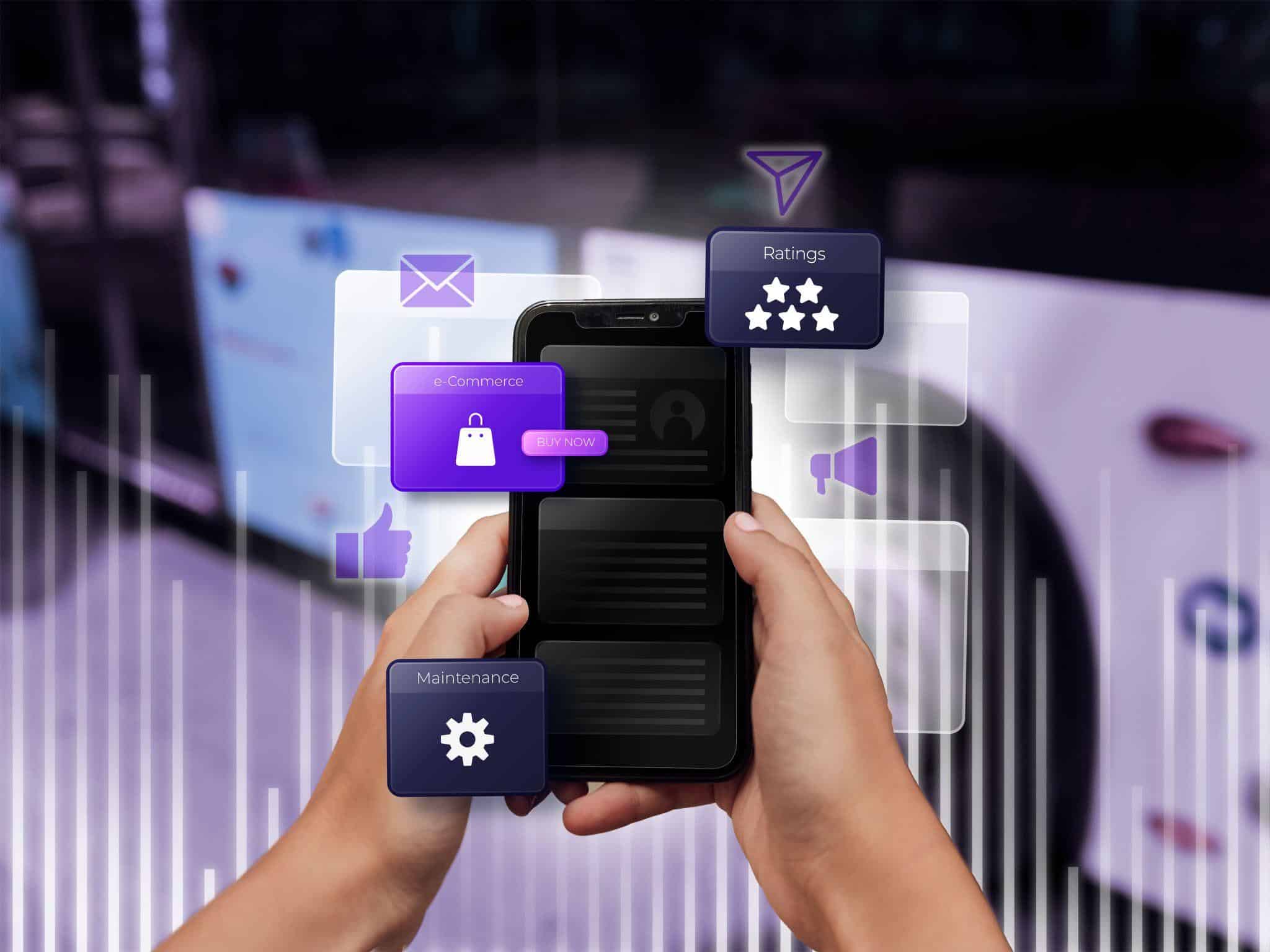
Image from Freepik
Not every interaction requires a fully customized reply. Many questions repeat, particularly around links, availability, pricing ranges, or basic clarifications. Smart response templates handle these efficiently, reducing response time while maintaining clarity.
The risk lies in overuse. When audiences sense they are receiving canned replies, trust erodes quickly. Effective smart responses are designed as conversation starters, not conversation enders. They acknowledge the question, provide useful information, and invite further dialogue when appropriate.
Language matters. Templates should sound like something a human would naturally say, not a script written for scale. Periodic review ensures tone remains aligned with brand voice and evolving audience expectations.
When used thoughtfully, smart responses free teams from repetitive typing and allow more time for nuanced conversations that truly benefit from human judgment.
Trigger-Based Engagement Actions
Triggers add intelligence to engagement workflows. Instead of treating all interactions equally, triggers allow systems to react differently based on defined signals.
These signals can include keywords, sentiment indicators, frequency of engagement, or user attributes. A neutral comment may trigger no response, while repeated engagement from the same account could prompt a personalized message or internal notification.
Triggers help teams move from volume-based engagement to value-based engagement. Attention is directed toward interactions with the highest potential impact, such as sales inquiries, partnership opportunities, or emerging issues.
Over time, trigger rules can be refined as patterns emerge. What initially seemed important may lose relevance, while new signals gain significance. Automation supports this evolution by making rules easy to adjust without disrupting workflows.
Integrating Engagement With Analytics
Engagement automation becomes far more powerful when paired with analytics. Every interaction generates data about audience interests, pain points, and preferences.
By analyzing engagement patterns, teams can identify which content prompts meaningful discussion, which questions recur most often, and which responses lead to follow-up actions. These insights feed back into content planning, scheduling, and messaging decisions.
For example, if a particular topic consistently generates clarifying questions, future posts can preemptively address that information. If certain replies lead to private messages or conversions, those response patterns can be replicated intentionally.
According to research published by HubSpot, brands that respond consistently and promptly are perceived as more trustworthy and approachable. This reinforces that engagement automation is not merely operational efficiency, but a direct contributor to brand reputation.
Aligning Engagement Automation With Team Roles
Automation works best when paired with clear human ownership. Tools can route, tag, and suggest actions, but people still need to make decisions and maintain accountability.
Defining roles prevents automation from becoming an excuse for inaction. Someone should own response quality, someone should review automation rules, and someone should monitor performance trends. These responsibilities do not need to be complex, but they do need to be explicit.
When ownership is clear, automation supports teams rather than obscuring responsibility. Everyone understands their part in the workflow, and issues can be addressed quickly when something breaks down.
Moving Beyond Text-Based Engagement
Engagement is no longer limited to text. As platforms evolve and user behavior shifts, response formats are diversifying. Audio replies, short-form videos, and conversational interfaces are increasingly common, particularly in private messages or high-intent interactions.
These formats offer nuance that text sometimes lacks. Tone, emphasis, and context can be conveyed more naturally through voice or video, making responses feel more personal. Certain explanations are simply easier to deliver verbally.
Automation supports these formats by handling logistics such as routing, timing, and delivery. Systems can determine when a voice reply is appropriate or flag interactions that would benefit from richer communication, while humans remain responsible for content and intent.
The result is engagement that feels more human, not less, despite being supported by automation.
Balancing Speed With Thoughtfulness
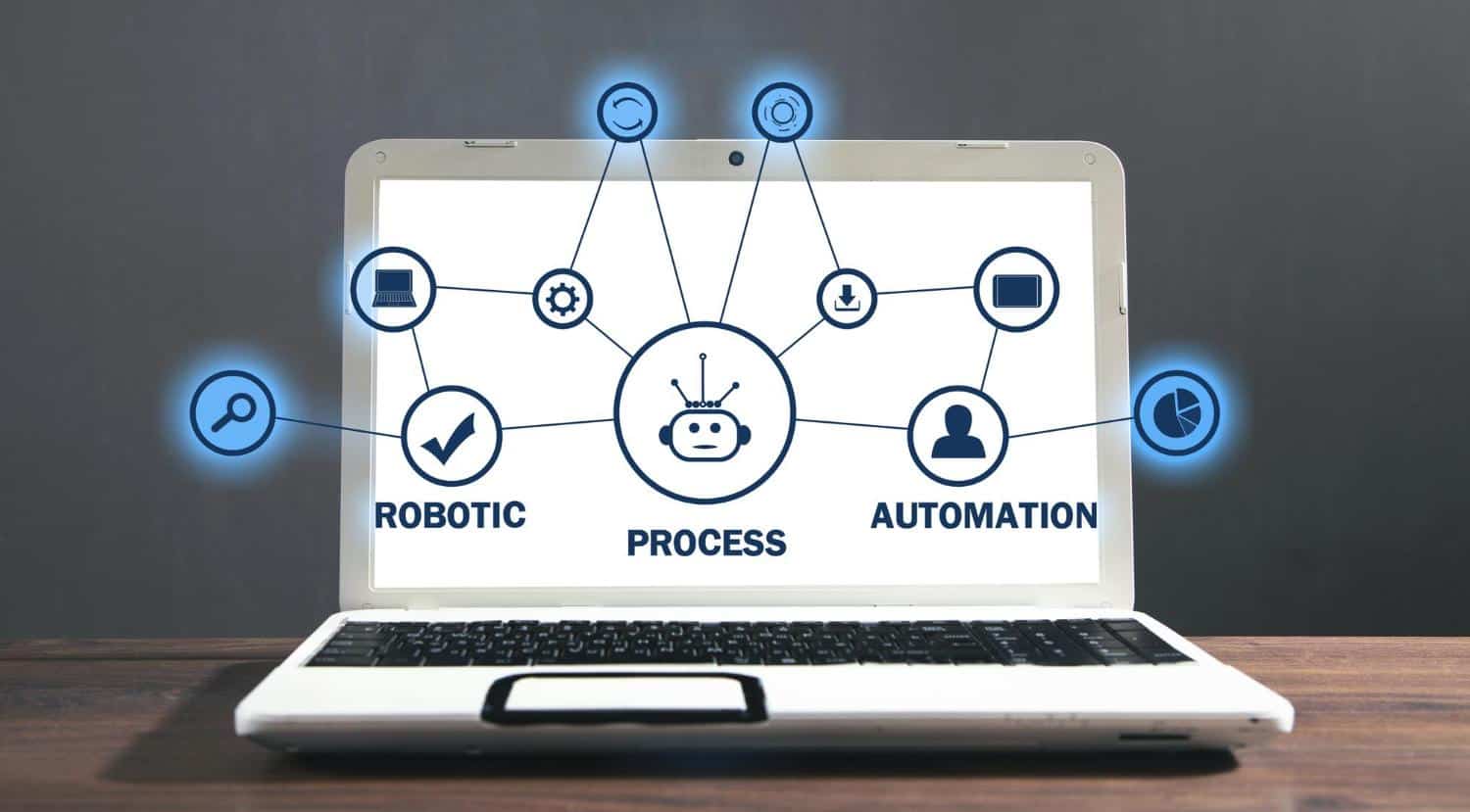
Image from Freepik
One common misconception is that faster responses are always better. While speed does matter, especially for time-sensitive inquiries, thoughtfulness remains critical.
Automation can ensure timely acknowledgment even when a full response requires more consideration. A brief automated message confirming receipt and outlining next steps can maintain momentum without sacrificing quality.
This balance prevents rushed replies that later require correction. It also sets expectations clearly, reducing frustration and uncertainty for audiences.
Avoiding Common Automation Pitfalls
The most frequent mistake teams make is over-automation. When every reply looks identical or overly polished, audiences disengage. Automation should enhance empathy, not replace it.
Regular review is essential. Templates need updating as messaging evolves. Triggers should be refined as new patterns emerge. Feedback signals such as repeated clarification requests or negative sentiment should prompt immediate reassessment.
Another pitfall is failing to adapt workflows to platform differences. What works on one network may feel out of place on another. Automation should respect context rather than enforcing uniformity.
Effective engagement automation is iterative. It improves through testing, adjustment, and ongoing oversight rather than one-time setup.
Building A Practical Engagement Automation Stack
A strong engagement automation stack prioritizes integration and clarity over sheer number of tools. Complexity often creates more problems than it solves.
At its core, most stacks include a scheduling platform, a centralized engagement inbox, rule-based automation for responses and alerts, and analytics for performance insight. These components should communicate seamlessly to avoid data silos.
What matters most is understanding what happens when engagement occurs. Clear visibility into workflows prevents automation from becoming opaque or unmanageable. Teams should be able to trace an interaction from detection to resolution easily.
Measuring Success Beyond Response Volume
Traditional metrics like response count or average response time provide only partial insight. Effective engagement automation focuses on outcomes rather than activity.
Meaningful metrics include resolution rate, follow-up engagement, sentiment shifts, and conversion influence. These indicators reflect whether engagement is actually improving relationships rather than simply increasing output.
By aligning metrics with goals, teams avoid optimizing for vanity numbers and instead focus on impact.
Engagement Automation As A Long-Term Advantage
As social platforms become noisier, responsiveness becomes a key differentiator. Audiences remember brands that acknowledge them, answer thoughtfully, and maintain consistency across touchpoints.
Automating engagement workflows beyond posting enables teams to deliver that experience sustainably. It reduces burnout, improves response quality, and creates space for strategic thinking and creativity.
The future of social automation is not about publishing more content. It is about building systems that make interaction easier to manage, easier to scale, and easier to do well, without losing the human element that makes engagement meaningful in the first place.