




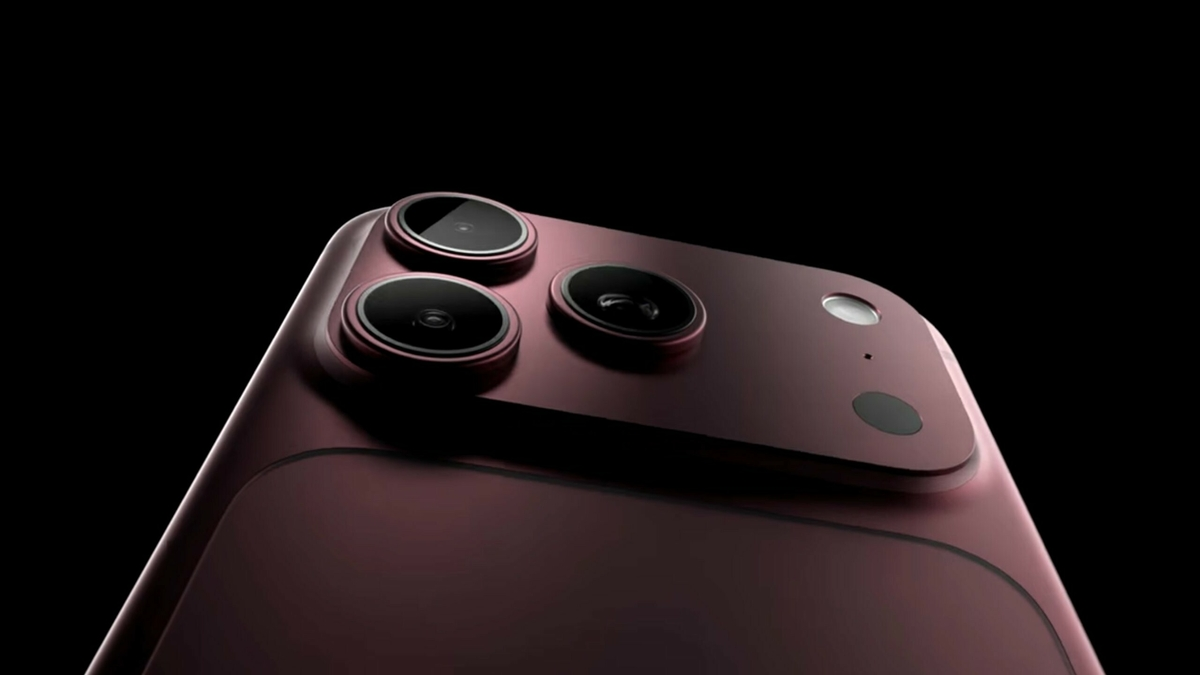
In the weeks leading up to its big annual developer conference, the WWDC 2027rumors are intensifying around the next version of the iPhone operating system. One of the most anticipated changes concerns the application Cameraa pillar of user experience. The Cupertino company has decided to let go of the reins by offering a level of control never seen before on its devices, a development which is part of an underlying trend towards more interactive interfaces adapted to each user.
How will this new customization work?
The main novelty of the photo application on iOS 27 will lie in its ability to become fully customizable. If the default interface will remain familiar so as not to confuse regulars, an “advanced” mode will allow you to reorganize the shooting screen. Users will be able to choose precisely which essential controls display and where to place them, such as flash, exposure, self-timer or image resolution.
This modularity will be based on a system of widgets to integrate directly into the application. A transparent panelaccessible with the swipe of a finger, will group these modules into three categories: “basic”, “manual” and “settings”. Everyone will be able to build their own own interfacefor example adding depth of field adjustment or photographic styles at your fingertips.
What other new features are expected for the camera?
Beyond the customization of the interface, Apple would also introduce a new Siri mode directly in the camera, alongside existing options like “Slow Motion” or “Panoramic”. This mode would be dedicated tovisual intelligenceallowing the assistant to analyze and understand in real time what the camera sees to propose contextual actions.
Some ergonomic adjustments are also planned to refine the experience. The button providing access to all commands, currently located at the top of the screen, would be moved to the right of the shutter button for faster access. Of new grid options and level would also appear to help photographers better compose their shots.
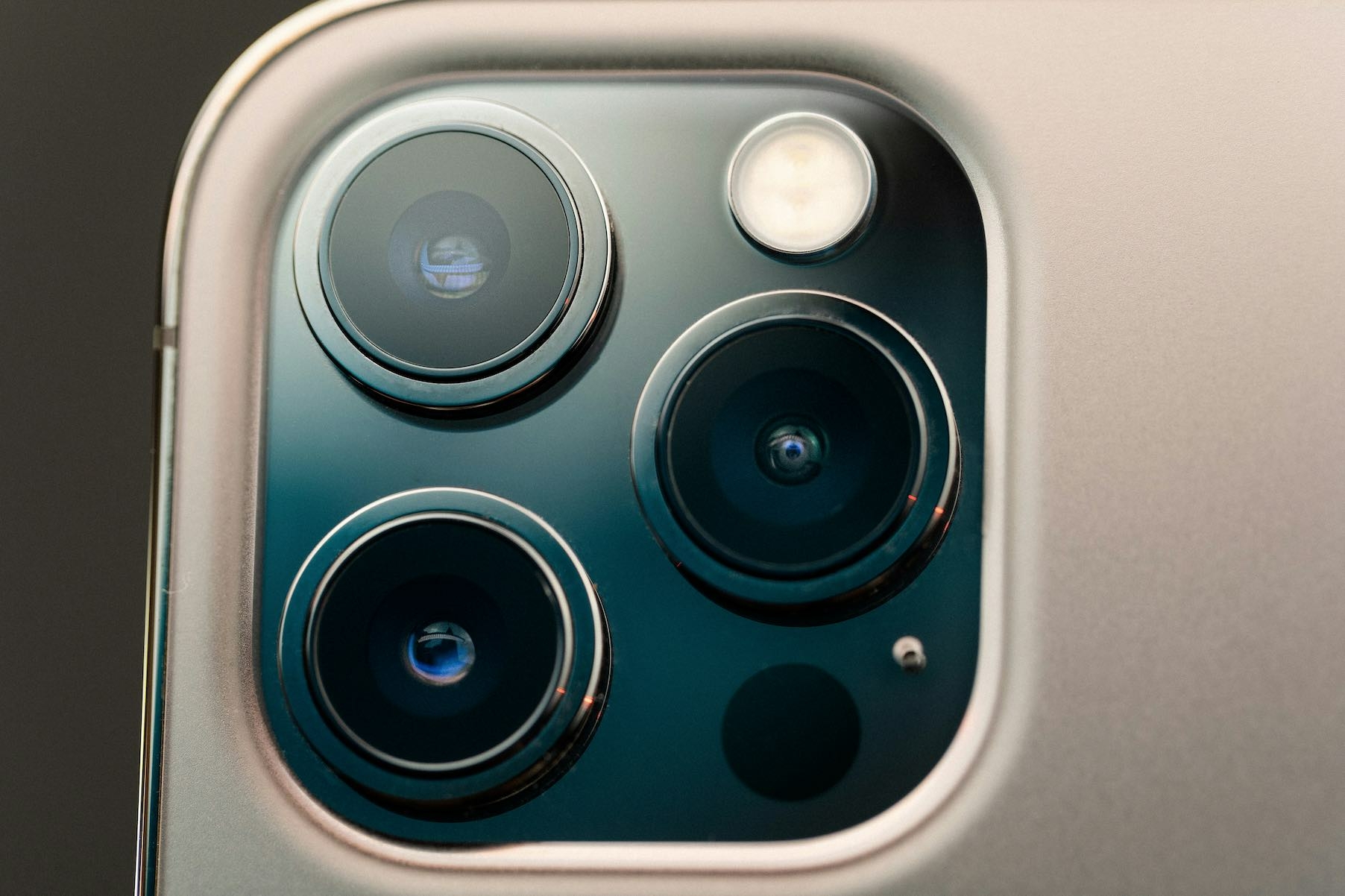

Is this trend towards personalization an isolated case?
This interface overhaul is not limited to the Camera application. It is part of a more global evolution of operating systemnicknamed “Liquid Glass”, which aims to simplify and unify the design. Further changes are expected on several native applicationslike a new start page for Safari with four separate tabs (favorites, bookmarks, reading list and history).
Apple’s initiative is part of a broader movement in the technology industry. The era of rigid, identical interfaces for everyone seems to be giving way to personalized experienceswhere the user has the final say on the appearance and functionality of their tools. This approach, which combines flexibility, interaction and artificial intelligence, shapes the future of our interactions with digital technology and generative interfaces.


