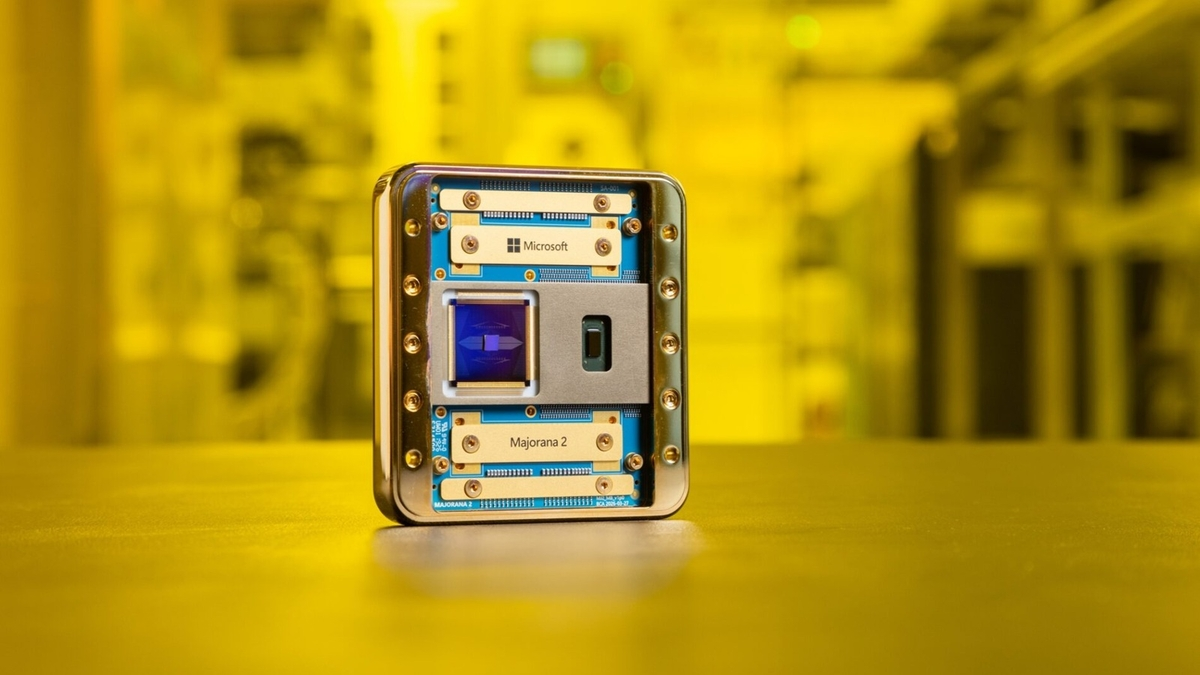
The prospect ofquantum computers capable of breaking current encryption protocols is no longer considered a distant problem. Mark Russinovich, technical director of Microsoft Azureemphasized that “ Advances in quantum research and development have changed the risk horizon “. This collective awareness is pushing major tech players to act proactively, particularly to counter so-called “harvest now, decrypt later” attacks, where encrypted data is stolen today while waiting to be decrypted by future quantum machines.
Why is this sudden acceleration so crucial?
For years, planning the post-quantum cryptography (PQC) was seen as a future problem. This perception has radically changed. Experts now believe that cryptographically relevant computers could emerge much sooner than expected. The preparation work being colossal, it has become imperative for organizations to start now. The challenge is high: protecting global digital infrastructures against sudden obsolescence of their security mechanisms.
The acceleration of Microsoft is not a reaction to a specific technological breakthrough, but a strategic decision based on risk management. As Mark Russinovich explains, “ moving to quantum-resistant security takes years of work “. The company therefore prefers “ act in advance rather than waiting ”, in order to guarantee that its customers retain « a step ahead » on the threats of tomorrow and the challenges posed byquantum computing.
Concretely, what are the stages of Microsoft’s plan?
Microsoft’s Quantum Safe program is structured around three priority areas to modernize its infrastructure. The first project consists of upgrade network cryptography. This involves the widespread adoption of TLS 1.3, the most recent version of the protocol which encrypts exchanges on the Internet. This modern standard is an essential basis for being able to integrate future PQC algorithms smoothly. The old protocols, considered too fragile, will be gradually abandoned.
The second pillar is the construction of a “crypto-agility” for stored data. The idea is to be able to change encryption algorithms without having to completely rebuild applications. This involves making cryptographic settings configurable and eliminating hard-coded algorithms. Finally, the most complex project concerns the modernization of cryptographic trust chainswhich secure code signing, certificate issuance and software updates, by protecting keys directly in dedicated hardware.

What is the impact for businesses and users?
For most organizations, the major challenge of this transition is not so much choosing new algorithms as it is carrying out a complete inventory of their cryptographic assets. This involves identifying and updating existing cryptography scattered across applications, services, networks and legacy systems. This approach, although complex, provides immediate value by often revealing existing gaps in computer security which require immediate attention, regardless of the quantum threat.
By advancing its own timetable, Microsoft allows its customers and partners to align their strategy on a clear and common roadmap. The goal is simple: to ensure that platforms and services can adopt new cryptographic standards quickly and securely, without disrupting operations. By starting now, organizations can not only reduce their current risks but also calmly prepare for what promises to be a major development of cybersecurity.