In Nigeria, climate tech’s biggest opportunities don’t look like shiny apps; they look like freezers and batteries. While investors are still fixated on the next neobank, the real exits could come from “boring” climate infrastructure that quietly kills diesel, cold chains that prevent food from spoiling, and storage systems that keep the lights on when the grid goes down. These are the backbone of the next phase of African tech.
Anyone who has lived in Nigeria knows the real regulator is not the Central Bank—it’s NEPA and the price of petrol or diesel. For years, small businesses, markets, clinics, and homes have survived on generators, turning every outage into an unplanned tax on productivity. Nigeria’s generator market is worth hundreds of millions of dollars and is projected to reach $806.8 million by 2030, as demand for backup power increases. Every time pump prices spike, another shop owner faces the same brutal choice: pay more to keep the generator running or shut down and lose income.
This is where a new wave of solar-powered refrigeration companies comes in, and why they should be valued as infrastructure, not just feel‑good impact stories. They build freezers and cold rooms that give off‑grid and weak-grid communities reliable storage for food and medicines without depending on diesel or petrol, with thousands of units already deployed across multiple African markets and plans for more local assembly in Nigeria. For a small shop or a rural clinic, that can be the difference between fish, produce, or vaccines spoiling in a blackout and staying viable for sale or treatment. A growing cluster of cold‑chain startups is now treating cooling as core infrastructure rather than a side benefit of development projects. Companies like Koolboks, ColdHubs, and SolarFreeze are leading the cold-chain infrastructure. The local manufacturing strategy signals how seriously investors now take this category
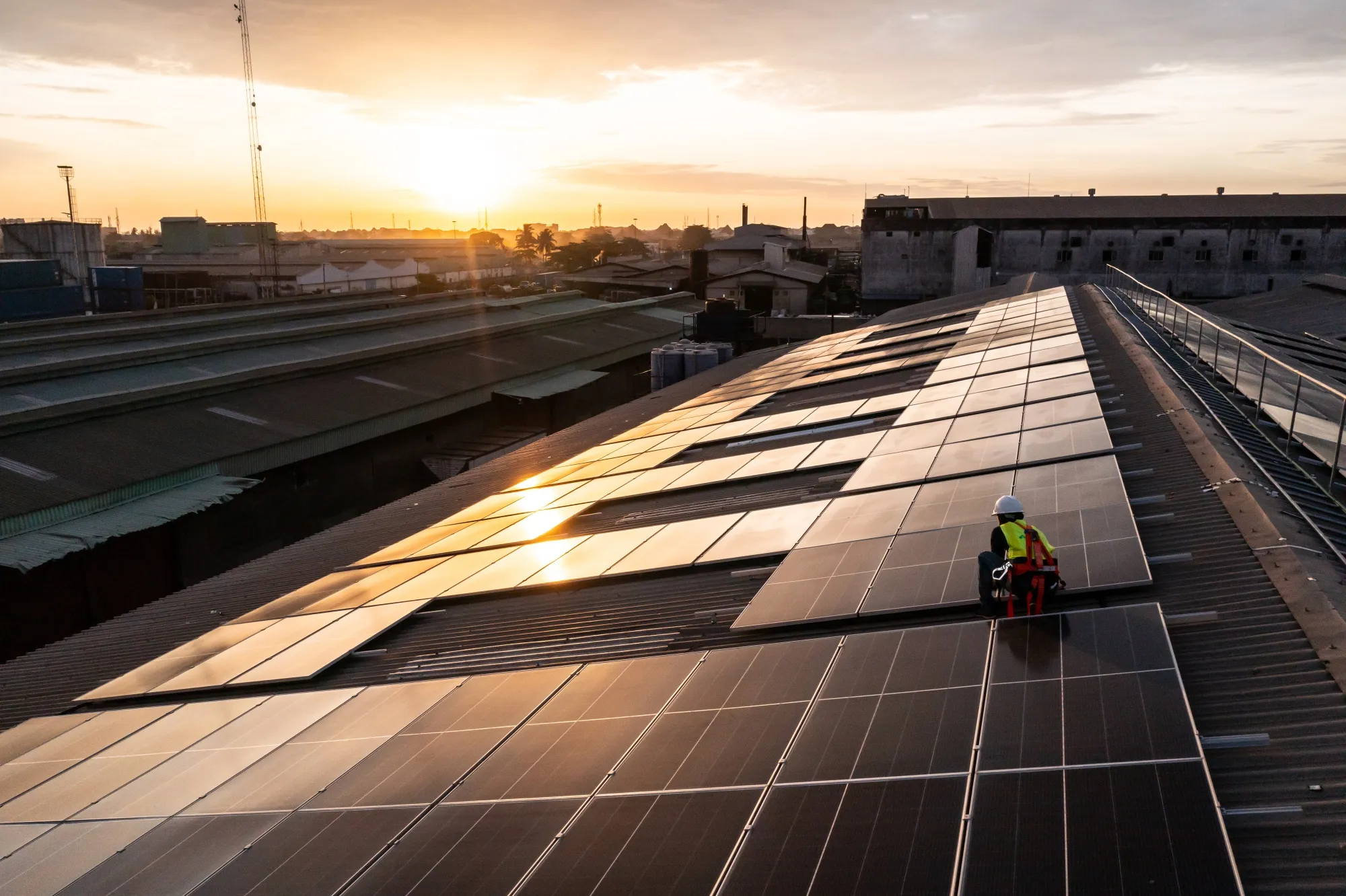
On the other side of the “diesel killer” equation are modular battery and storage providers that turn unreliable power into something closer to a 24‑hour supply. Their systems combine lithium batteries, inverters, and smart software to provide backup power that can integrate with solar today and, over time, with the grid itself. Every box that lands in a Nigerian home or business is a quiet replacement for a small generator. No fumes, no noise, no last‑minute run to buy fuel in jerrycans, as different players experiment with customer segments and financing models around the same basic idea.
So, why are these companies still being priced and talked about as “impact” stories rather than core tech infrastructure? Part of the reason is pattern‑matching. For a decade, African tech investing has been optimised around software and fintech: asset‑light, fast‑scaling, transaction‑fee models. Climate infrastructure looks slower and heavier by comparison because it involves hardware, warehouses, manufacturing, complex logistics, and blended capital stacks. That mismatch leads investors to undervalue these businesses and misunderstand their economics, treating them as social projects rather than commercial infrastructure plays. Investors should instead evaluate them using infrastructure‑appropriate metrics: cash‑flow stability, asset utilisation, contract quality, and long‑term revenue visibility.
Capital is shifting in their favour. Development finance institutions and specialised climate funds like EchoVC’s climate-tech vehicle are writing cheques into hardware-heavy models that traditional VCs would pass on, combining equity, concessional debt, and grants to de-risk exactly these kinds of infrastructure plays. For investors willing to do the work, it is smart money taking advantage of mispriced risk.
Exits are starting to come into view. Infrastructure investors are quietly buying up cold storage and logistics platforms, turning scattered assets into national networks that big consumer companies can lean on for more reliable supply. Telecom operators like Airtel are rolling out solar and battery systems at hundreds of sites to cut diesel costs, while global utilities like Engie have already bought off‑grid solar companies such as Mobisol, showing how these energy assets can become acquisition targets. Industrial groups expanding food processing capacity are also investigating how to lock in steady, low-cost energy.
If you’re a founder building in this space, the bar and opportunity are equally high. Think like an infrastructure operator, not just a startup. Reliability, service networks, and data transparency matter as much as the core tech. And because Environmental Social Governance (ESG) screening is now standard for climate funds, build your environmental and social metrics into your product and reporting from day one; the more clearly you can prove impact and resilience, the cheaper your capital becomes.
Nigeria’s next wave of tech success might not make as much noise as the first wave of fintech did. It will hum quietly in cold rooms that never lose power, in pharmacies where medicines stay at the right temperature, and in homes where evenings are no longer scheduled around when the generator will come on.
_____
Ndubisi (Endy) Ugonabo is an environmental and sustainability professional and science researcher specialising in energy economics and data analysis, currently serving as Operations Manager at AFBE-UK, where he leads communications, impact, and partnerships across the UK.