The Markup, now a part of CalMatters, uses investigative reporting, data analysis, and software engineering to challenge technology to serve the public good. Sign up for Klaxon, a newsletter that delivers our stories and tools directly to your inbox.
Elizabeth Tyree was recently trying to teach her West Texas students about the connections between Emily Dickinson’s letters and her poetry. The project she designed asked students to read Dickinson’s correspondence and compare them to her art, finding examples of how one led to the other. Dickinson’s letters are available for free through The Internet Archive, a nonprofit, digital library that has, among other content, 44 million digitized books and texts at archive.org.
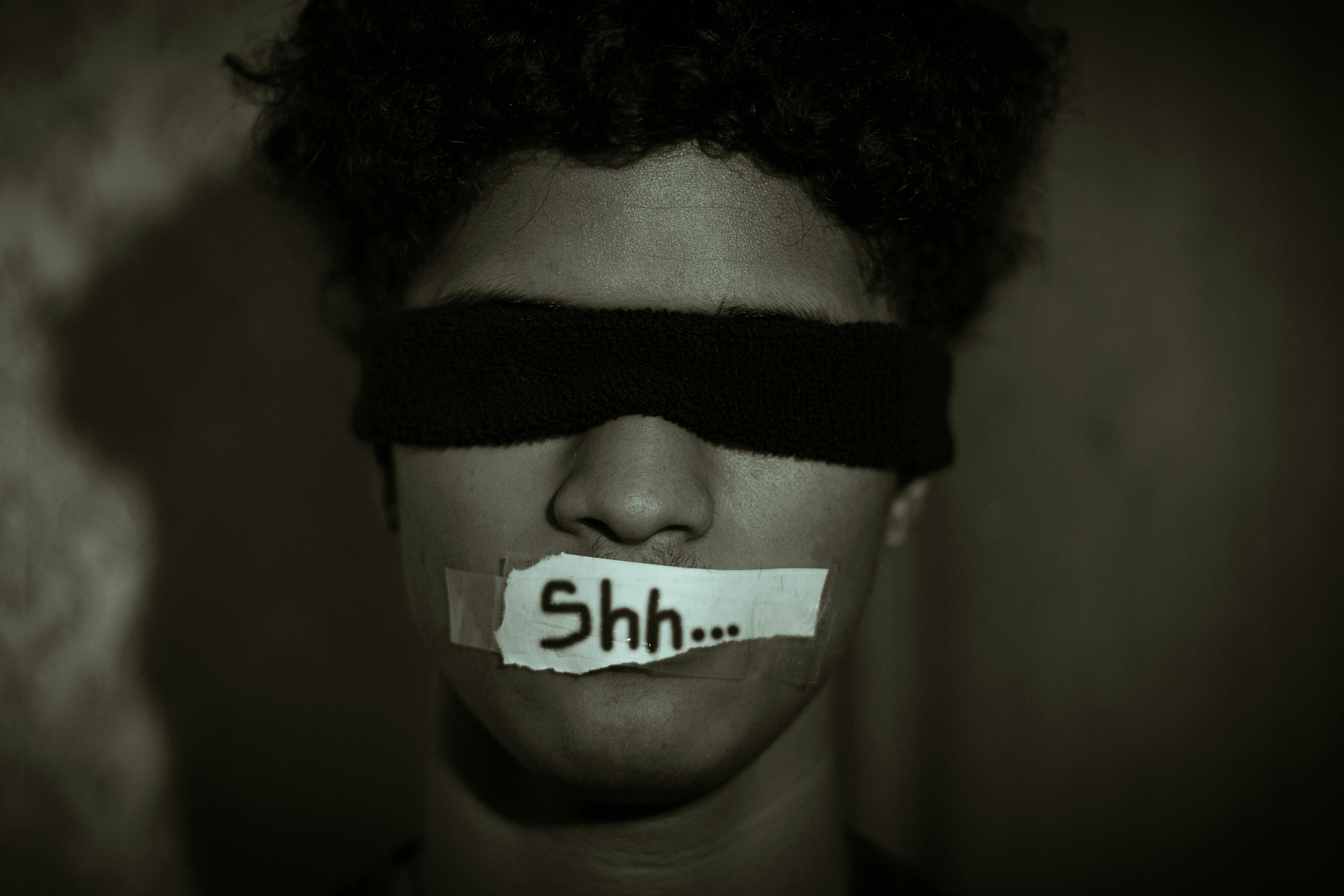
But Tyree and her students couldn’t get to them. Archive.org is blocked by their school district. The federal government effectively mandated web filters for schools in 2000 through the Children’s Internet Protection Act. At the time, filters were seen as an important way to keep kids from accessing online porn. A Markup investigation published earlier this month, however, showed these filters have morphed into tools of digital censorship, keeping students in some districts from abortion information, sex ed, and LGBTQ+ resources, including suicide prevention.
After our investigation published, teachers—including Tyree—took to social media to point out how the web filters frustrate them, too.
Tyree has been in classrooms for 16 years, teaching students of all ages a mix of English, writing, science, and music. Because the federal government only requires districts to keep students from obscene and harmful content and otherwise leaves them to block whatever else they want, Tyree has had different problems from one district to another. Sometimes tech support will unblock websites she asks to be unblocked, but her request to get her students access to Archive.org was recently denied over a concern that the website also hosts adult content.
“It was the only place online that we could get access to Emily Dickinson’s correspondence for free,” Tyree said. “We had to change the entire project.”
Kaitlyn D’Annibale, an athletic trainer in Washington, D.C. who works with high school athletes, has run into similar hurdles. She needs access to the healthcare website MedBridge both for continuing education and to create home exercise programs for the students she works with, but the site is blocked by her school.
“They pay for the membership, but I can’t access the site,” D’Annibale said.
When she needs to review hospital MRIs to assess students’ playing capacity, she can’t go through the hospital portal to open them because such portals are blocked. Her workaround? Wait until she gets home to look on her own computer.
She recently wanted to look up suicide prevention resources for a student. “Anything I put into Google that was ‘suicidal’ anything got blocked,” D’Annibale said. Eventually she made it to a useful PDF by getting creative with the wording of her search terms.
D’Annibale said she has asked for sites to be unblocked in the past but the process is tedious and resolution is short-lived. Sites that the IT department has unblocked for her have reverted to being blocked. She hasn’t been able to figure out why.
One commenter on TikTok said that the process for requesting sites be unblocked in her district requires her to do research about the blocked site (at home, where she can access it), make a case to an administrator, answer follow-up questions, wait for that person to take the request to a board for approval, and then answer more follow-up questions before a decision can be made.
Another described a similar situation: “My district has sites blocked that are actually in the curriculum. We’re supposed to contact our district [department] heads to ask them to get it unblocked. Like they don’t have enough to do. It’s ridiculous.”
Other teachers told The Markup about how hard it can be to make lesson plans for substitute teachers, because they aren’t sure which of the sites that are available to them are actually blocked to subs and students. They described indiscriminate blocks to YouTube, Pinterest, and Wikipedia—sites that have useful educational resources mixed in with other content.
Nancy Willard saw this all coming.
Back in 2000, Willard worked at the Center for Advanced Technology in Education at the University of Oregon and submitted testimony to the Children’s Internet Safety Committee, urging Congress not to require filters in the Children’s Internet Protection Act. Reached by phone this week, Willard called the filters a “technical, quick-fix solution” that either don’t work—because students find ways around them—or leave kids unprepared for the real world.
“Their world doesn’t have filtering software on their computers at home and their world as adults isn’t going to have filtering software,” Willard said. “So if they haven’t developed the self-control, the ability to assess credibility of information, the ability to focus on the task at hand and not go play [online games], if they haven’t developed that ability, how effective are they going to be as adults?”
Willard’s insistence that schools teach students about safe internet use made it into the law. Of course, much to her dismay and the continued frustration of teachers all over the country, the filtering requirement did, too.
Credits
- Tara García Mathewson, Investigative Reporter
Design and Graphics
- Gabriel Hongsdusit
Engagement
- Maria Puertas
Editing
- Ryan Tate
- Sisi Wei
Also published here
Photo by Gama. Films on Unsplash