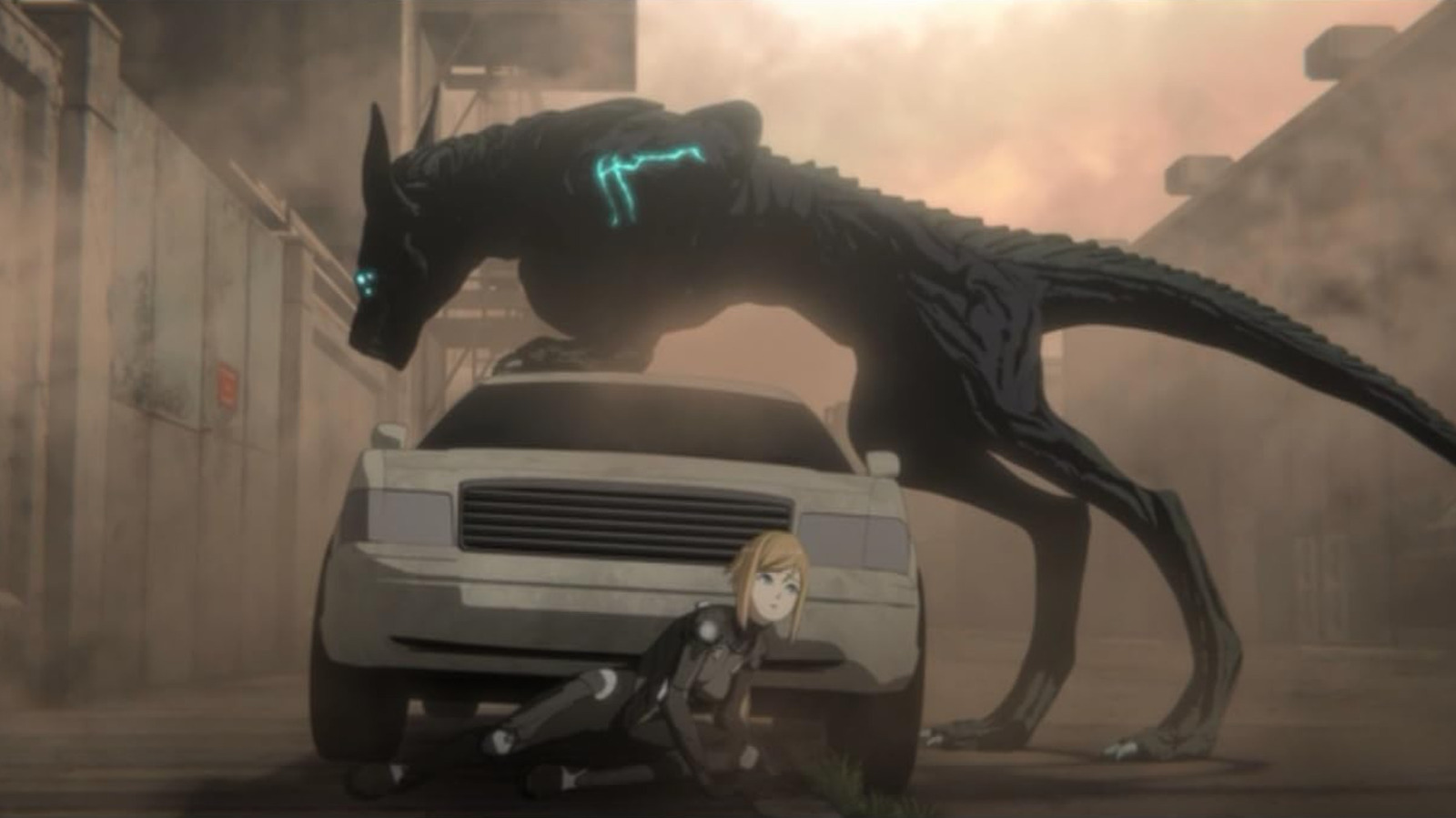
When Netflix launched “Pacific Rim: The Black” back in 2021, it wasn’t about adding yet another anime to the streaming pile; it was about daring to reimagine the well-known universe through the lens of animation. Spanning 2 seasons and 14 episodes, this bingeworthy anime series sequel to “Pacific Rim: Uprising” was created by Greg Johnson (“X-Man: Evolution”) and Craig Kyle (“Thor: Ragnarok”). Japanese animation studio Polygon Pictures is responsible for the animation and distinctive style of the mecha-vs-kaiju saga.
The creators deliberately chose the anime medium to tell the story of the Black. After all, animation offered a freedom that live action couldn’t match. The visual flexibility and the possibility of dynamic storytelling allowed for bold world-building and character-driven narratives. The sweeping robot-vs-kaiju battles, imaginative landscapes, and the scale of the world are stunning due to the quality of the animation and creative direction.
Critics and the audience noticed the difference. While still packed with mech mayhem, the series favors the type of atmosphere, suspense, and emotion which only animated visuals can deliver. The visual ambition and the emotional depth of The Black brought a 71% approval rating on Rotten Tomatoes. However, it seems not all fans of the franchise were impressed by the tonal shift or the niche format of animation.
What’s Pacific Rim: The Black about?
In Pacific Rim: The Black, Netflix takes the colossal robot-vs-monster spectacle of the movies and spins it into a tense, anime-style sci-fi series. The continent of Australia was abandoned by the Pan Pacific Defense Corps when the Kaiju monsters overwhelmed it. Before leaving, the Corps evacuated what few survivors they could. Our protagonists, siblings Taylor and Hayley Travis, weren’t that lucky. Five years have passed since their parents went out seeking help, promising to return. Yet they never did.
Left in the postapocalyptic wilderness of Down Under, the teenage siblings discover an abandoned training Jaeger (a huge mech) called Atlas Destroyer buried in an old PPDC base. What they didn’t know was activation of the Jaeger would attract a deadly kaiju, Copperhead, who then destroyed their sanctuary and killed all the survivors who lived there. Having nothing else left to lose, Taylor and Hayley decide to set out into the wider wasteland in search of their parents. They use Atlas Destroyer AI’s survival skills and instincts to protect them. But this Jaeger is outdated and unarmed, and the AI it comes with has a grudging personality.
Along their journey, the brother and sister encounter a silent boy whom they simply call “Boy.” They later discover he can mysteriously communicate with kaiju. They also meet allies, such as hardened warrior Mei and the conflicted mercenary Shane. The group navigates hostile kaiju territories, ruthless scavengers, and the fanatical cult known as the Sisters of Kaiju who believe that Boy is their messiah.
How The Black reinvents the Pacific Rim Universe
Guillermo del Toro’s Pacific Rim centered on heroic pilots holding back the kaiju tide with seismic robot battles and sweeping global stakes, but The Black scales this conflict down to something more personal and introspective. Through the story of two abandoned siblings on the quest to survive, the anime shows what comes after the war rather than focusing on its climax. Rather than just transplanting the giant robots and the world-ending monsters from movies into an animated format, The Black adds to the universe by shifting the focus of the story to more emotional topics. The action scenes are still present, but they feel less central. Instead, the drama between Taylor and Hayley and their struggle to cope with the trauma of loss takes center stage.
The anime’s world-building also introduces fresh lore and sci-fi possibilities that the films only hinted at. The human-kaiju hybrids, the dark reality of the fanatical cults rising to worship kaiju, and the AI-powered Jaeger are just a few examples. These elements stretch the mythology of the Pacific Rim universe beyond its original boundaries. They also provide future narrative threads that anime, comics, and games could explore.
However, these changes to the Pacific Rim universe made some fans of the franchise disappointed. They expected more Jaeger action and tight canon consistency. The anime slows down the pace, foregrounds trauma, and introduces bold lore twists that feel more experimental. The audience is divided between those who welcome the evolution and those who miss the bombastic Pacific Rim action. That said, this spin-off series is a Netflix hidden gem worth exploring.