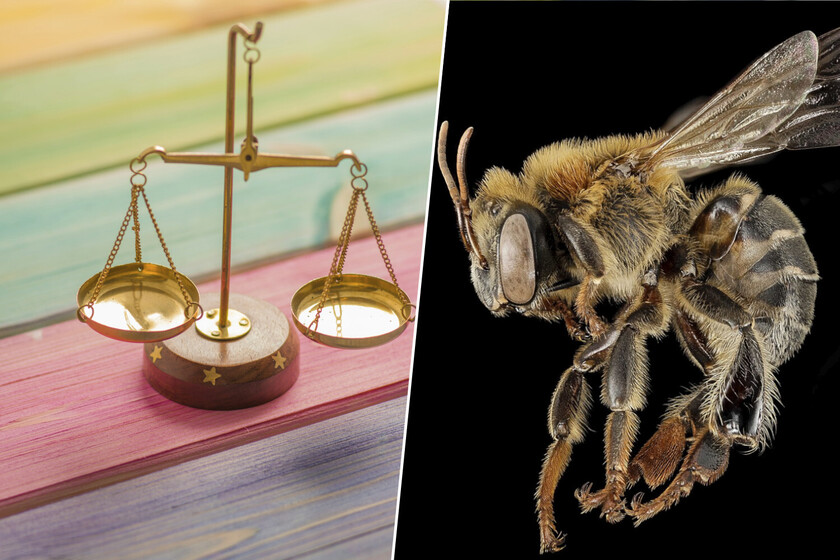
In Peru, the judicial chronicles of 2026 start with an unexpected protagonist, one that usually has little to do with courts and lawsuits: bees. To be more precise, insects of the genus Meliponafamous above all for lacking a stinger and their important pollinating function. Precisely because of this relevance and to protect them from possible threats, the authorities of Satipo, in Junín (Peru), have recognized the bees’ legal rights, which among other issues will allow them to be represented before the law.
The decision is more important than it seems.
Of laws and bees. That bees play a key role in environmental balance is nothing new. For years (decades) researchers have analyzed their role as pollinators, their usefulness as pollution indicators and their slow decline. However, studies on the species tend to remain in the papers scientists and only occasionally sneak into the political debate.
Hence, decisions such as the one adopted by the Provincial Municipality of Satipo, in Peru, are so relevant. There the authorities have decided neither more nor less than to publish an official ordinance that recognizes the legal rights of the stingless bees that inhabit the Avirei-Vraem biosphere reserve.
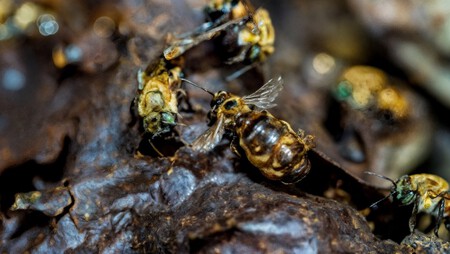
More than words. The decision is important for several reasons. The first, for the clear and resounding message it sends to society. The second transcends the symbolic sphere and starts from the content of the ordinance itself.
In it, the Provincial Municipality of Satipo not only recognizes stingless bees and their habitat as legal subjects. The text goes further and details the regulatory shield that protects insects, emphasizing their right to live in “healthy, balanced and adequate” habitats. The ordinance even grants them the “right to representation” in case their interests are harmed.
Does it say anything else? Yes. The document, signed on October 27 and which can be consulted on the Peruvian Government website, highlights “the fundamental role” that bees have at an environmental level and the importance of recognizing their “intrinsic rights”, which affects, for example, the use of pesticides.
Hence, the Peruvian authorities also want to “promote awareness” about the species. “Nature is a whole (…). The rights recognized in this declaration are not only intended to guarantee the health of stingless bees, but also of the Amazon as a whole,” he says.
Beyond Satipo. There are those who consider that, with his decision, Satipo has turned stingless bees into the first insects in the world with explicitly recognized rights. Whether or not this is the case, the undeniable thing is that its October ordinance seems to have paved the way for other similar ones.
The diary The Spectator It was recently revealed that the provincial municipality of Loreto-Nauta has taken a similar step and has become the second region to opt for the judicial protection of Amazonian bees. Beyond the measure itself, both localities have managed to focus on the risks faced by a species on which not only the environmental balance depends, but also the future of crops with a considerable economic impact, such as cocoa or coffee.
Is the situation so serious? In September, the Peruvian Amazon Research Institute (IIAP) echoed a study that warned that more than 50% of bee habitats Ivory honeydew y Tetragonal narrows They are located in “high risk of deforestation areas” in the Amazon.
Among the causes of this vulnerability, he cited the felling of trees in which the species nests, the illegal extraction of wood and the expansion of agriculture. It is not a minor issue if you take into account that, as the Satipo Municipal Council recalls, 90% of the species of wild plants and flowers in the region depend directly on pollination driven by bees.
Images | IIP, Elena Mozvhilo (UnsLanish) and Wikipedia
In WorldOfSoftware | The scientific reason why it is not a good idea to jump into the water to escape from bees (and other tips to avoid getting stung)