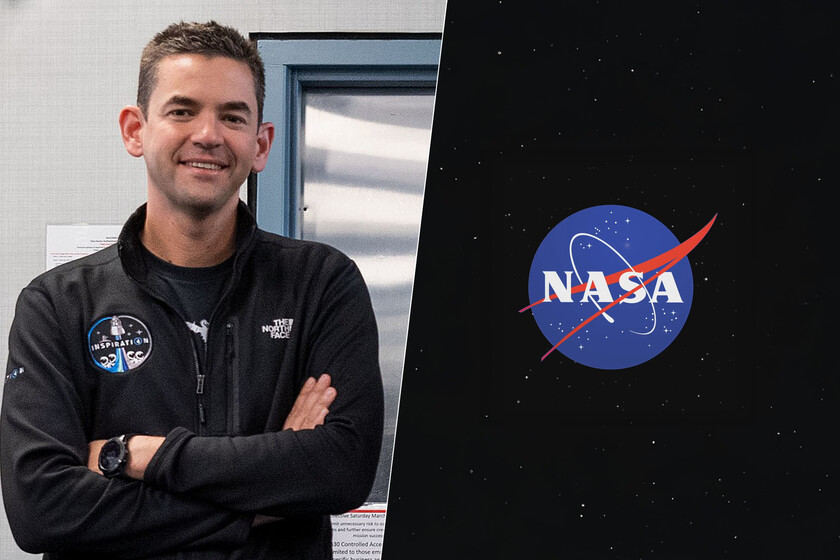
Space has once again been a question of power, and NASA is once again at the center of the spotlight. While China officially maintains that will reach the Moon with astronauts in 2030 and lists concrete advances in its manned program, the United States faces a replacement at the head of its space agency after a turbulent year. It is not a simple name change in the organizational chart: it is the confirmation that the lunar race has entered a phase in which leadership, the calendar and today’s decisions weigh a lot.
The United States Senate has just confirmed Jared Isaacman as the new administrator of NASA, ending a long and unusual process even by Washington standards. The vote went ahead with 67 votes in favor against 30 votes against, according to C-SPAN, and clears up an uncertainty that had weighed on the agency’s management for months. With this confirmation, NASA leaves behind a stage marked by interim management and once again has a ratified manager.
New command at NASA and a lunar race that once again sets the course
Jared Isaacman doesn’t fit the traditional mold of NASA administrators. Founder of the payments company Shift4, private pilot and astronaut, his name became known for commanding two commercial manned missions aboard the SpaceX Crew Dragon, Inspiration4 in 2021 and Polaris Dawn in 2024. This journey, halfway between the private sector and direct experience in flight, explains why its arrival is interpreted as a sign of continuity in the agency’s growing openness to commercial actors.
The process began more than a year ago, when Donald Trump announced his intention to place him at the head of NASA, but was interrupted on May 31, when the White House withdrew his nomination. Months later, with meetings between the two and in a context of growing frustration within the administration over the performance of the acting administrator, according to industry sources cited by SpaceNews, Trump announced on November 4 his decision to re-nominate him.
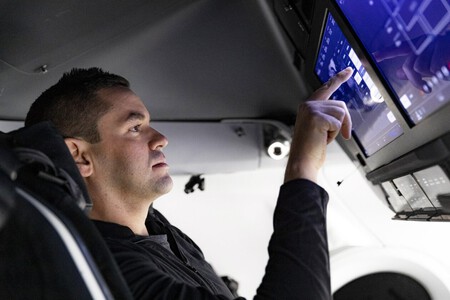
Jared Isaacman
All this comes as China reaffirms its goal of landing astronauts on the Moon by 2030 and listed a chain of tests already carried out and others in preparation. The program includes tests of the Lanyue module, validations of the rocket Long March-10 and the Mengzhou spacecraft, in addition to the development of extravehicular suits and a manned lunar rover, within a schedule that the organization itself describes as demanding.
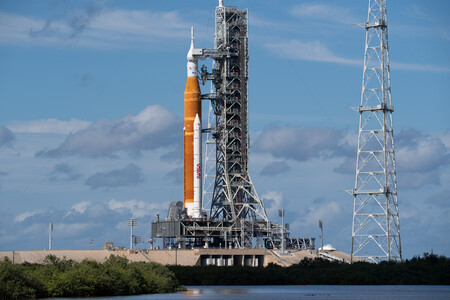
Space Launch System
From Washington, this Chinese advance has been translated into an increasingly explicit message. Sean Duffy, Secretary of Transportation and acting NASA administrator during the interim period, publicly congratulated Isaacman upon his confirmation and framed his arrival as part of a clear political objective. “I wish Jared success as he begins his tenure and leads NASA as we return to the Moon in 2028 and defeat China,” he wrote in a post.

In his appearance before the Senate, Isaacman made it clear that the lunar calendar is not a secondary issue for NASA. Given doubts about the accumulated delays in the Artemis program, he warned that any additional delay could have strategic consequences. “There is no doubt that the top priority in the short term is for American astronauts return to the moon“, he stated, emphasizing that postponing this objective opens the door for the United States to lose the initiative.
Images | NASA | SpaceX
In WorldOfSoftware | We have filled the Earth’s orbit with satellites. And now the risk of a catastrophic collision is very high