
Open source adoption is being accelerated by AI and automation, but developers must tread carefully to ensure they don’t introduce additional risks into their software supply chain.
Brian Fox, co-founder and CTO of Sonatype, explained that AI can accelerate good engineering, but can also scale mistakes faster, especially if it doesn’t have real-world data to draw from. For example, if a model doesn’t know which versions exist or which contain vulnerabilities, the model predicts and fills in, leading to upgrades to versions that don’t exist or recommendations that break builds.
In its 2026 State of Software Supply Chain report, Sonatype analyzed more than 1.2 million malicious packages, 1,700 vulnerability records, and 37,000 AI-driven upgrade recommendations. It turned out that AI models recommended more than 10,000 non-existent versions, which equates to a hallucination rate of 27.75%.
“On a large scale, that’s not funny. It’s an operational drag: wasted developer time, broken pipelines, and people losing faith in automation. And the scarier version is when AI recommends something that exists but shouldn’t be used because it’s vulnerable, malicious, or just outside your policy. AI can help, but only if it’s limited: grounded in real registry data, fed with current vulnerability and malware intelligence, and bound by the rules your organization actually follows. Otherwise, you have plausible automation made nonsense,” said Fox.
Recent research from IDC shows that developers accept 39% of AI-generated code without revision. “Combined with Sonatype’s findings, the data suggests that AI-driven recommendations benefit from a foundation in current supply chain intelligence and enforceable policies, so that increased development speed does not increase the attack surface by default,” said Katie Norton, research manager for DevSecOps and Software Supply Chain Security at IDC.
The report also shows that overall open source adoption increased 67% year-over-year across Maven Central, PyPl, npm, and NuGet, while open source malware grew 75% over the past year.
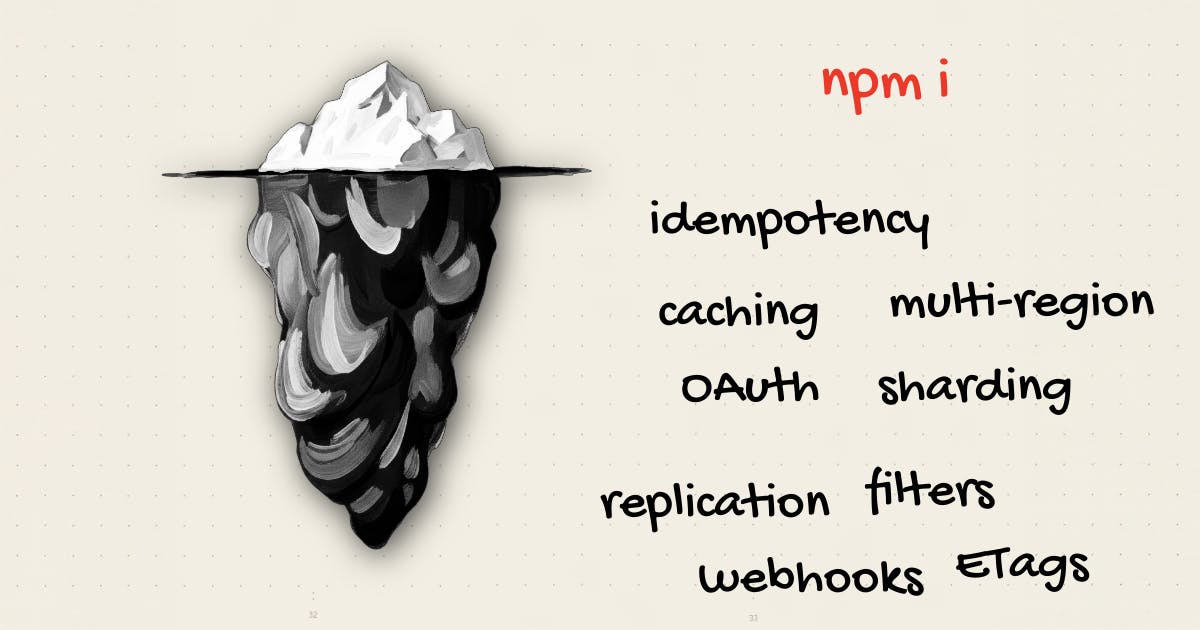
A large portion of the traffic came from repetitive pulls such as cold caches, ephemeral CI runners, and always clean builds. Additionally, the three largest cloud service providers generated more than 108 billion requests, or 86% of downloads.
“That’s not a million developers. That’s automation on an industrial scale,” Fox said. “I’m not saying ‘take it easy.’ I say: if you operate on a machine scale, act like it. Use sustainable caching. Configure proxies and mirrors correctly. Avoid pipeline patterns that re-fetch the world every time you rebuild. This is the kind of boring technology that keeps the commons healthy, produces less carbon and keeps your buildings reliable.”