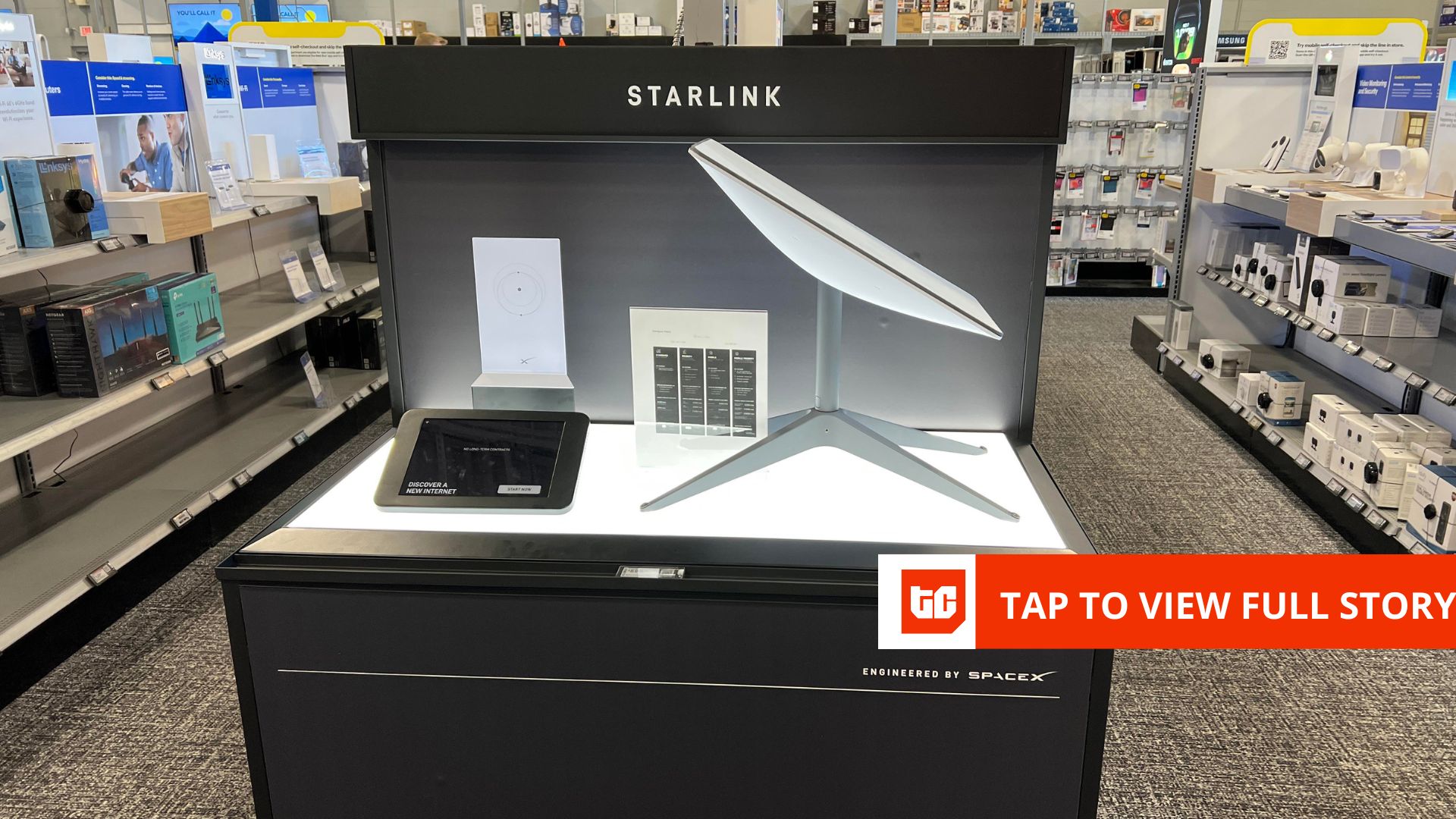
Starlink Kenya has reached 19,460 active users in September 2025, its highest count since launch and a jump that followed the reopening of urban sign-ups after a pause to manage congestion.
The surge highlights both strong demand and the limits of Starlink’s capacity in dense markets, giving Safaricom, Kenya’s leading fixed internet provider, more room to grow.
Since entering the market in June 2023, Starlink has gained traction quickly, reaching a 0.5% market share within six months. , subscriptions rose from 16,786 in September 2024 to 19,146 in December, according to data by Kenya’s telecoms regulator, the Communications Authority (CA).
However, heavy urban demand forced the company to halt new residential registrations in December 2024. The freeze remained in place until June 2025, stalling its growth. By March, active users had fallen to 17,066.
Starlink’s freeze showed its limits in Nairobi, Mombasa and other large towns. It could reach remote and peri-urban users without strain, but dense areas pushed the network near its capacity.
The pause also opened the space for rivals to tighten their grip, with Safaricom and Airtel moving fast to roll out 5G routers priced from KES 3,000 ($23) to reach rural users–the same users Starlink wanted, groups that had gone without fibre for years and still make up the largest share of Kenya’s fixed-internet gaps.
Safaricom gained the most from this gap, as it also expanded its fibre reach and widened its hold on the fixed-internet market. It now has 815,037 connections, equal to a 35.6% share as of September 2025. Its range of local packages and broad last-mile reach helped it stay ahead while Starlink worked through its limits.
After the freeze ended in June, Starlink picked up pace again. Subscriptions rose to 17,425 that month and climbed to 19,470 by September. The growth shows steady demand for premium satellite links, especially in regions with limited fibre build-out.
Starlink’s progress now depends on faster capacity upgrades and better load management in major towns, where congestion triggered the earlier freeze. Its value remains strongest in areas without fibre, where satellite fills a clear access gap.
But the service is still far from matching the reach, pricing power and local distribution that define Kenya’s fixed-line leaders, and it will need steady investment before it can contest that position at scale. Its cheapest kit, the Starlink Mini, goes for KES 27,000 ($208). Safaricom and Airtel charge about KES 3,000 ($23) for their 5G routers.