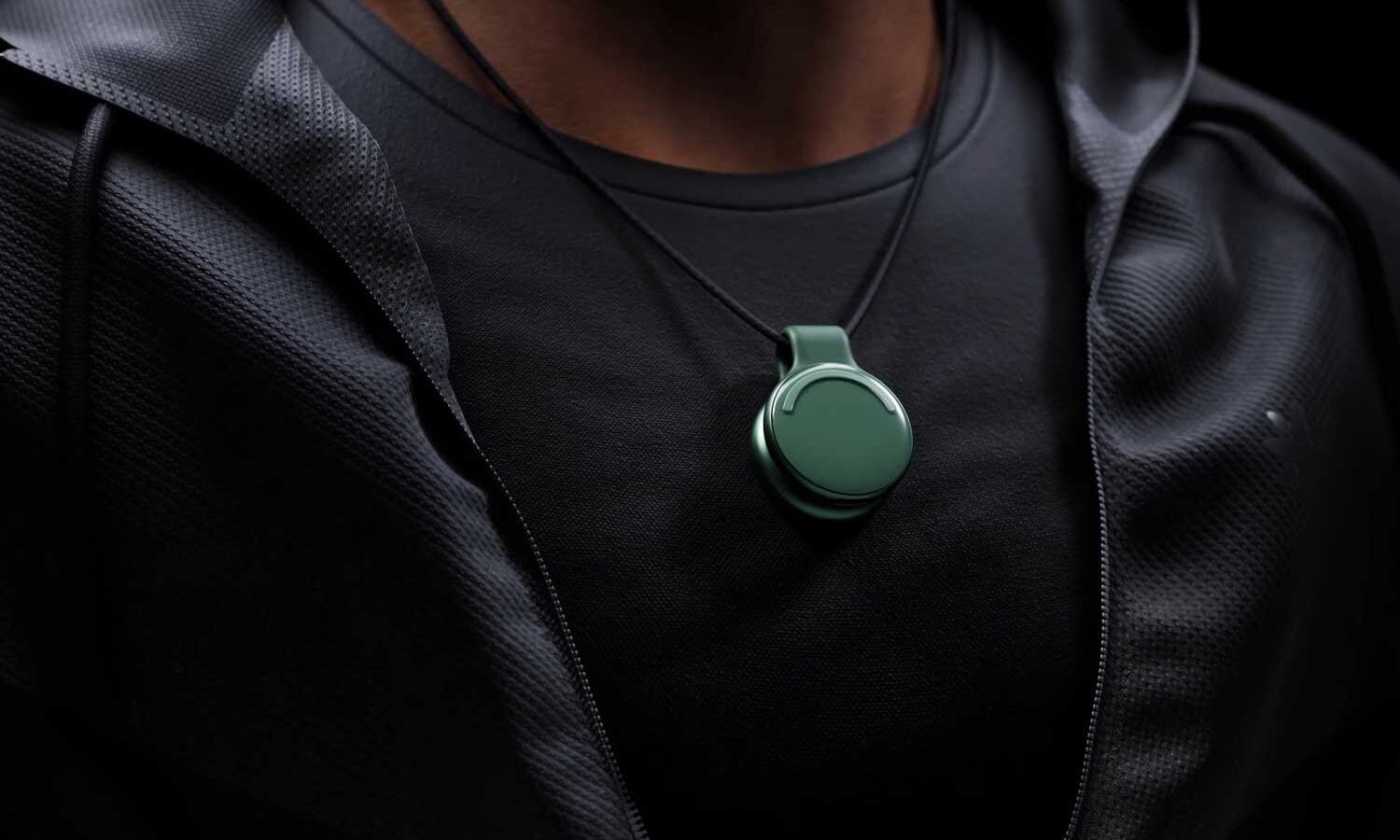
While the CNIL warns against connected glasses, Meta announces a pendant capable of recording your conversations.
On May 11, the CNIL published the results of a survey conducted with Harris Interactive among 2,128 people representing those aged 18 and over. 67% of French people consider smart glasses to be a privacy issue, and 81% believe that the risk of video capture exceeds that of a smartphone. Nearly nine out of ten people want to be notified when they are being filmed. The CNIL subsequently launched its first action plan dedicated to sensor wearables and coordinated an initiative with the EDPS on a European scale.
What is Meta planning with this pendant?
Three weeks later, an internal memo from Alex Himel, vice-president of wearables at Meta, outlines a trajectory that goes in exactly the opposite direction. Meta would test a pendant equipped with artificial intelligence in the coming year, directly from the technology of Limitless, a startup acquired in December 2025. The Limitless pendant recorded and transcribed conversations in real time using an onboard microphone. Although the Limitless site is still online and offers the product for $299, production of the device was stopped after the buyout. The Limitless team has joined Reality Labs, Meta’s hardware division.
The note also describes a service called « Wearables for Work »intended for businesses. Meta would aim to sell 10 millions de wearables in the second half of 2026, by combining new products and international expansion. The group already relies on its partnership with EssilorLuxottica to produce Ray-Ban Meta and Oakley models. Two million pairs have been sold since the end of 2023. In France, the release of the Ray-Ban Display has been postponed due to lack of sufficient stocks in the United States, with waiting lists stretching until 2026.
On the financial side, Reality Labs recorded a loss of $4.03 billion in the first quarter of 2026 for a turnover of 402 million. Cumulative losses since the end of 2020 exceed $83 billion.
The problem for Meta is the precedents. Google Glass, launched in 2013, was withdrawn from the consumer market after massive social rejection (the wearers were nicknamed « Glassholes », a play on words a little too flowery to translate). The Humane AI Pin, an AI pin costing several hundred euros launched in 2024, was a commercial failure. But the situation has changed: Ray-Ban Metas are sold in Europe, the market exists and consumers are getting used to worn sensors. The recent success of Plaud AI is another example.
👉🏻 Follow tech news in real time: add 01net to your sources on Google, and subscribe to our WhatsApp channel.
Source :
The Information