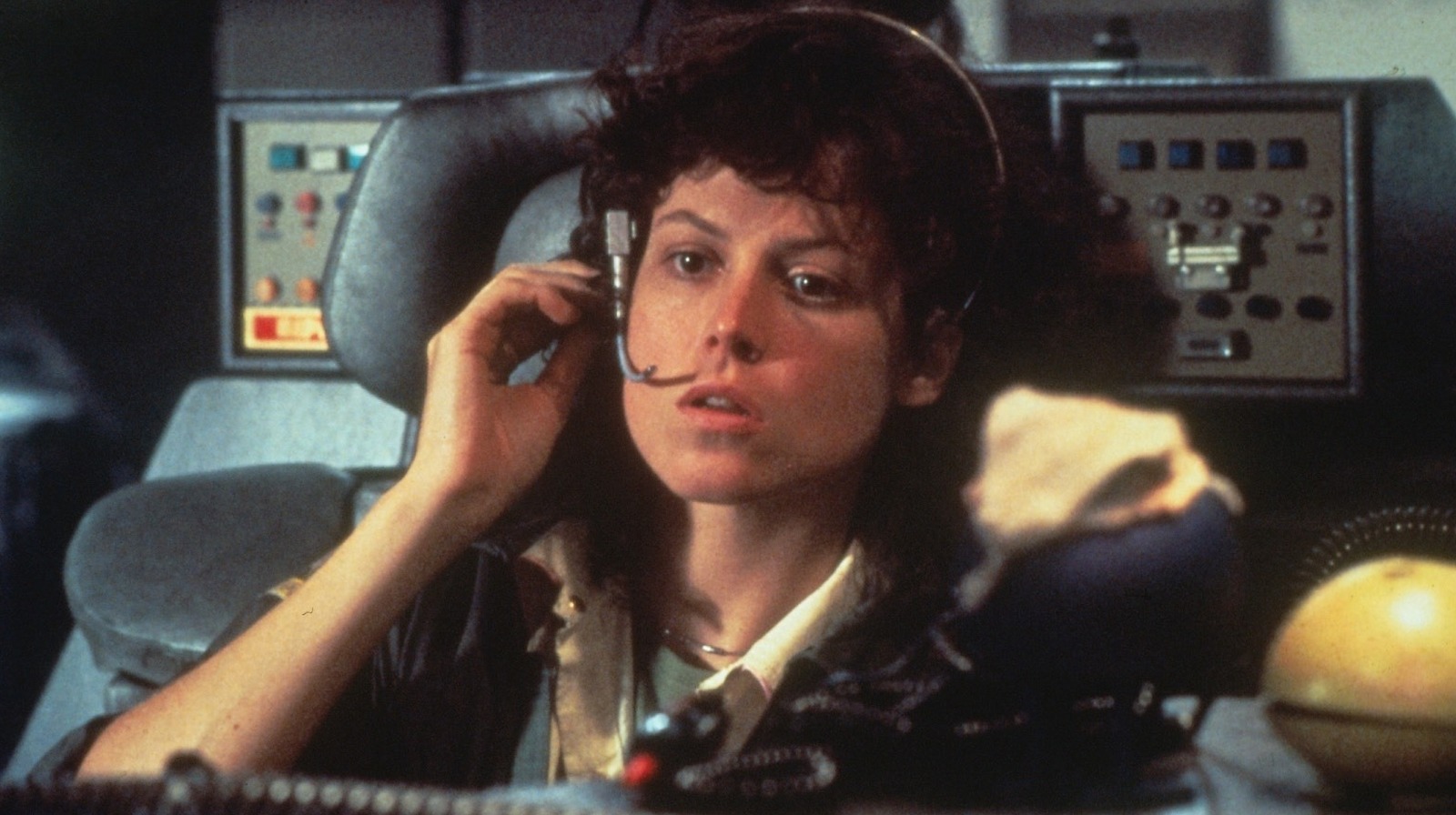
Some exceptionally unsettling elements were thrown together to create the Xenomorph when it first appeared in Ridley Scott’s 1979 horror sci-fi, “Alien.” Spliced from the nightmares of artist H.R. Giger, the creature was a masterful biomechanical terror, anatomically similar to humans yet possessing monstrously otherworldly features audiences had never seen before. That phallic head, the extra set of gnashers, and a back protruding with what looked like extra-terrestrial bagpipes made it a truly terrifying sight. Also, let’s not forget how it sounded.
There is no noise in space, but to hear thins thing could chill you to the bone. Whenever the Xenomorph appeared (in Scott’s initial entry, at least), it made its presence known with a whispered hiss or a shrill shriek before pulling its victim into the darkness. At one point, though, Scott toyed with a truly wild reveal in the film’s final moments. Not only was our last survivor of the Nostromo, Ellen Ripley (Sigourney Weaver), set to die at the creature’s hands, but we’d actually get to hear the Xenomorph speak after the deed was done.
In an interview with Entertainment Weekly, Scott recalled, “I thought that the alien should come in, and Ripley harpoons it, and it makes no difference, so it slams through her mask and rips her head off.” From there, the film would cut to the creature pressing buttons on the escape pod and part of Ripley’s last line. “It would mimic Captain Dallas [Tom Skerritt] saying, ‘I’m signing off.'”
Ridley Scott’s original ending would’ve killed the Alien franchise as we know it
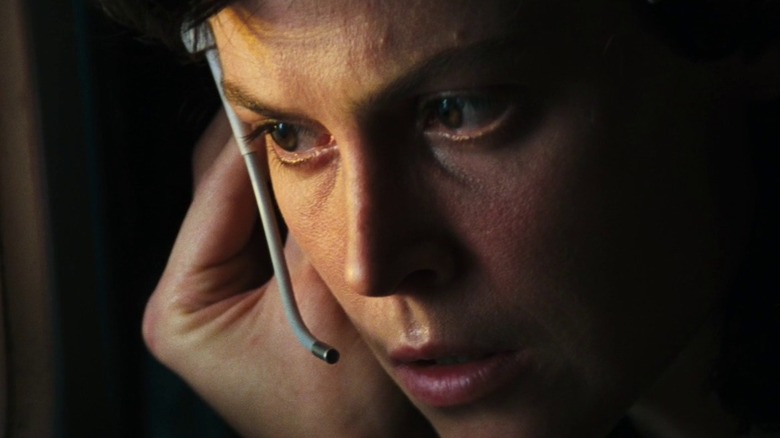
Wild, right? Imagine it. After drifting through this hellish trip out in the unknown, and going back for her cat, Ripley ends up succumbing to the tiny jaws of death. Now, while we don’t want to question Scott’s creative genius, as is clearly displayed in the movie, this is one potential avenue we’re glad he didn’t traverse. It wasn’t for lack of trying, though. Scott himself said it took some involvement from the studio to run interference and ensure that “Alien” ended on a high note, rather than a gut-punchingly low one. “The first executive from Fox arrived on set within 14 hours, threatening to fire me on the spot,” Scott explained. “So we didn’t do that [ending].”
It was a good job it didn’t go in that direction. Ripley’s demise might’ve meant the end for the “Alien” franchise there and then. Thankfully, Weaver’s warrior queen alien killer (and her clone) continued for four more films before attention shifted to earlier in the timeline with “Prometheus” and “Alien: Covenant.” From there, a younger band of bug killers arrived in “Alien: Romulus” (which paid homage to the original) and, most recently, on television with the series, “Alien: Earth.” Coincidentally, it’s only this recent chapter that has dared to suggest that the creatures have a way of vocally communicating, which could be explored. We just hope they don’t sound like Tom Skerritt when they do.