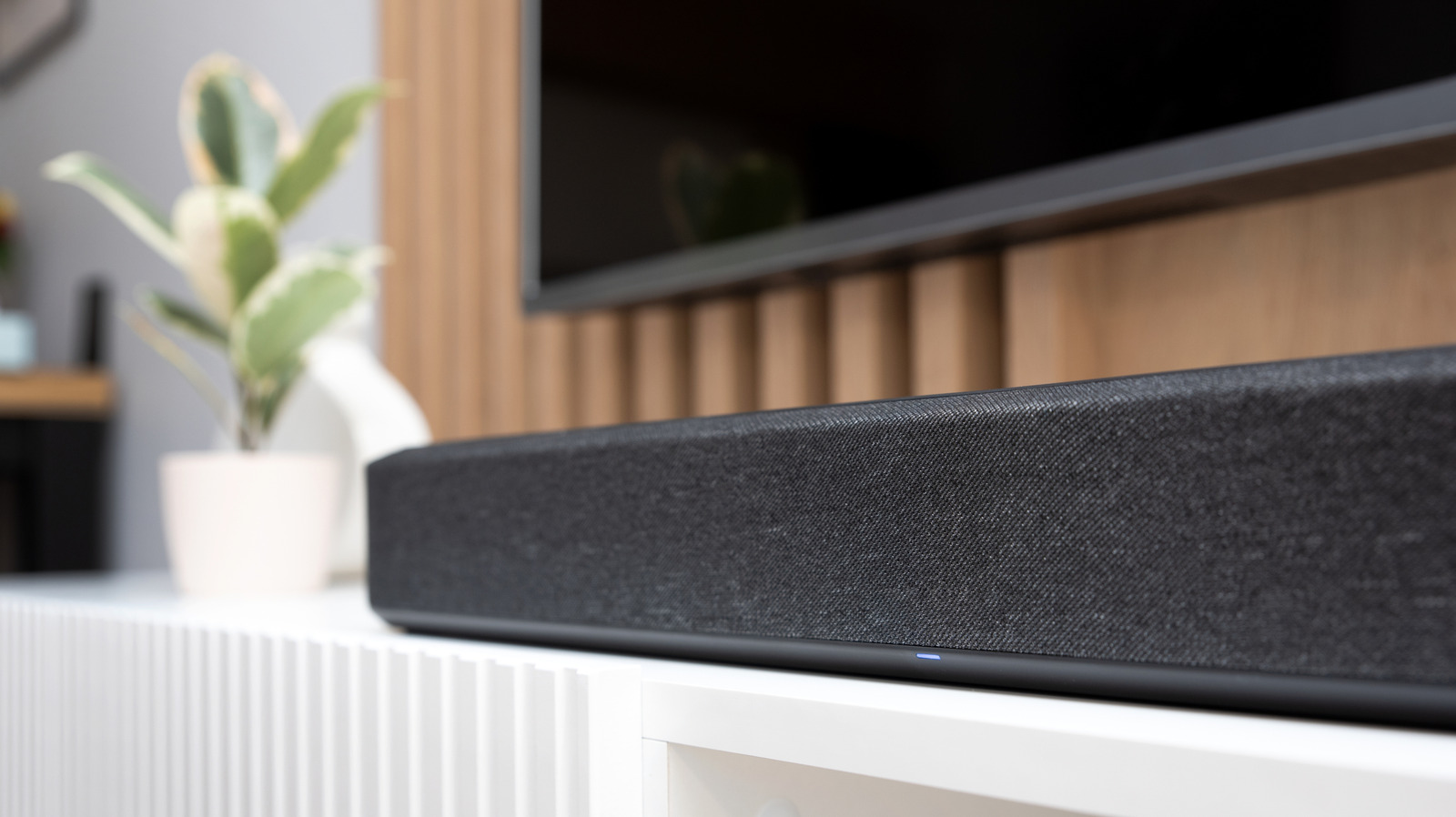
TV soundbars are a solid investment when you have limited space available in your room or living quarters. They pack all audio equipment into one, sleek, convenient device that includes tweeters, a small sub and an amplifier. They also usually include built-in tech to simulate the room-filling sound of a true audio system. But therein lies the problem — especially if you’re installing the soundbar in a large open space. Simulating surround audio and actually delivering multiple channels from different angles are two completely different experiences.
That’s also why it’s almost always better to go with multiple speakers and a dedicated subwoofer, even cheap speakers versus a mid-grade soundbar, if you have the room. For starters, speakers are much more flexible. They come in front, rear, surround or side channels, and sometimes height, which you place strategically throughout your room. It might be faster to set up a single soundbar, but, pound for pound, decent-quality speakers will always deliver superior sound quality, better tonal customization, full modularity to expand or upgrade, and more immersive audio during cinematic experiences.
There are a ton of wireless speakers to choose from, some built specifically for audiophiles and surround purists, which also highlights another benefit: You have the freedom to mix and match compatible systems and speakers as you see fit to build the ideal system you want. You can use active speakers, which have power supplies built-in, passive speakers with a receiver, or even high-quality Bluetooth speakers from Sonos or the like. Just make sure you don’t have your sound system plugged into the wrong HDMI port, which is pretty easy to do.
Why are wireless speakers the better choice?
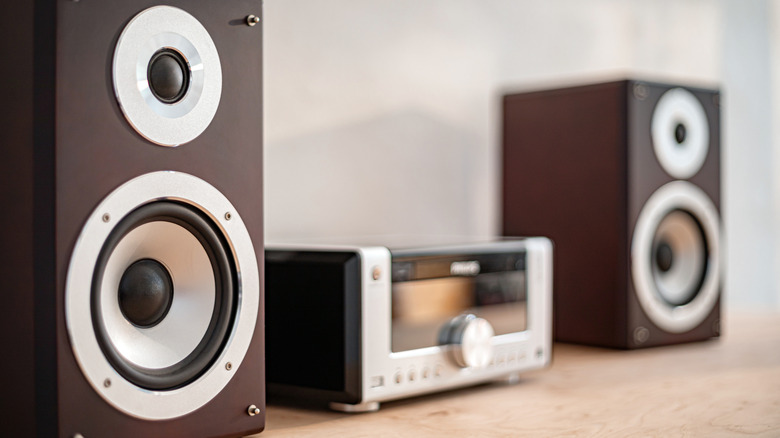
Active wireless speakers are probably the best example of why speakers are better than soundbars. For one thing, they have built-in amplifiers. You can also plug them right into a system, use wireless Bluetooth, or connect them to a receiver. They’re powered by a rechargeable battery or a power adapter that plugs into an outlet, too, which gives them a lot more flexibility in terms of the arrangement or placement in your room. And you don’t have to place them right below your TV or nearby, like a soundbar. Bear in mind, if you don’t like bulky speakers, you can also opt for a sleek high quality alternative.
Speakers also allow you to use multiple audio channels so that sounds are played in different speaker arrangements to give a more immersive and cinematic feel. Most modern platforms, from streaming networks to media players, support multi-channel audio — the most common formats being 5.1 and 7.1 channel audio, Dolby Atmos, and Sony 360 Reality.
You’re not locked into a single set up, either. You can always add more speakers or a subwoofer later if you’re on a tight budget, provided all your speakers and media devices are compatible. The high-resolution audio means clearer, crisp treble and punchy bass, and even more so when there’s a subwoofer in the setup. Imagine feeling the explosions in a movie or the jets flying overhead with the audio passing from the front speakers to the rear or satellite. That’s precisely why speakers are the ideal option.