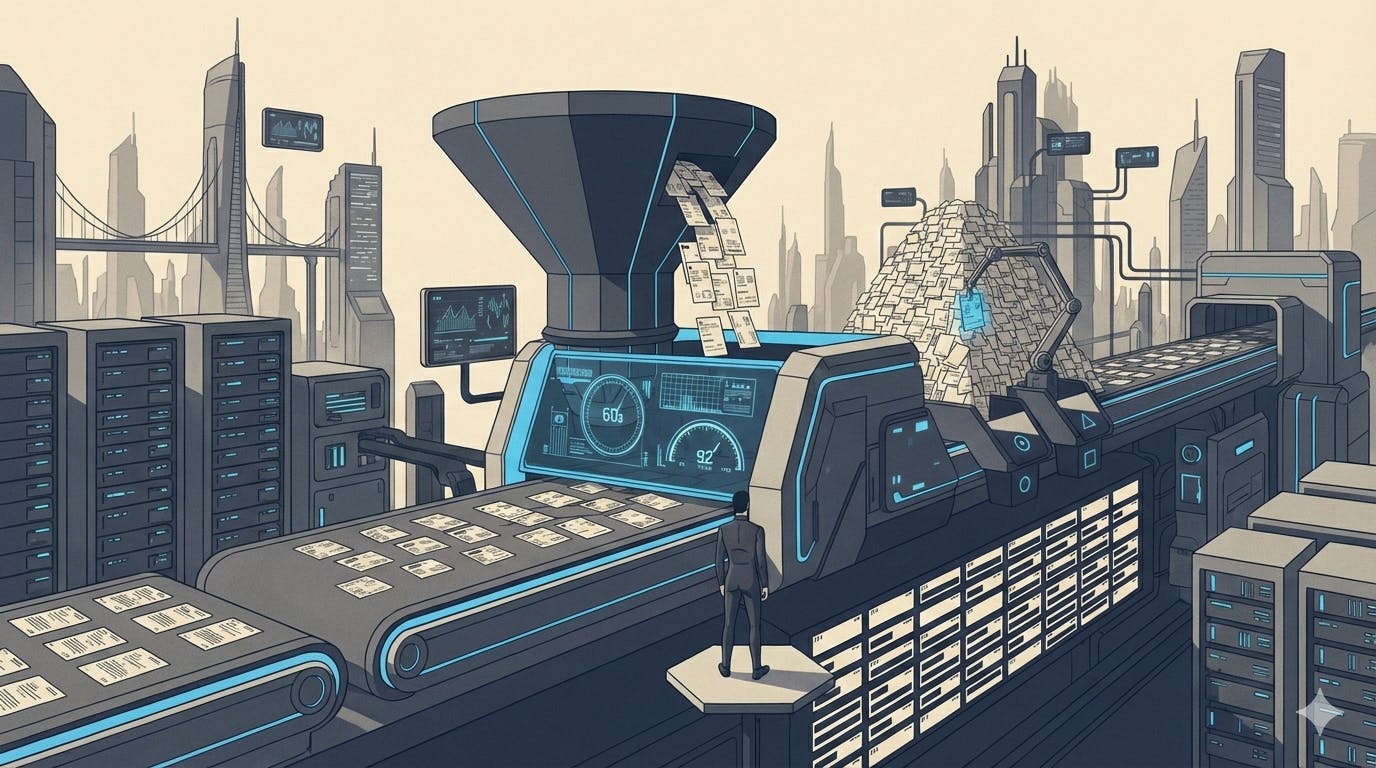
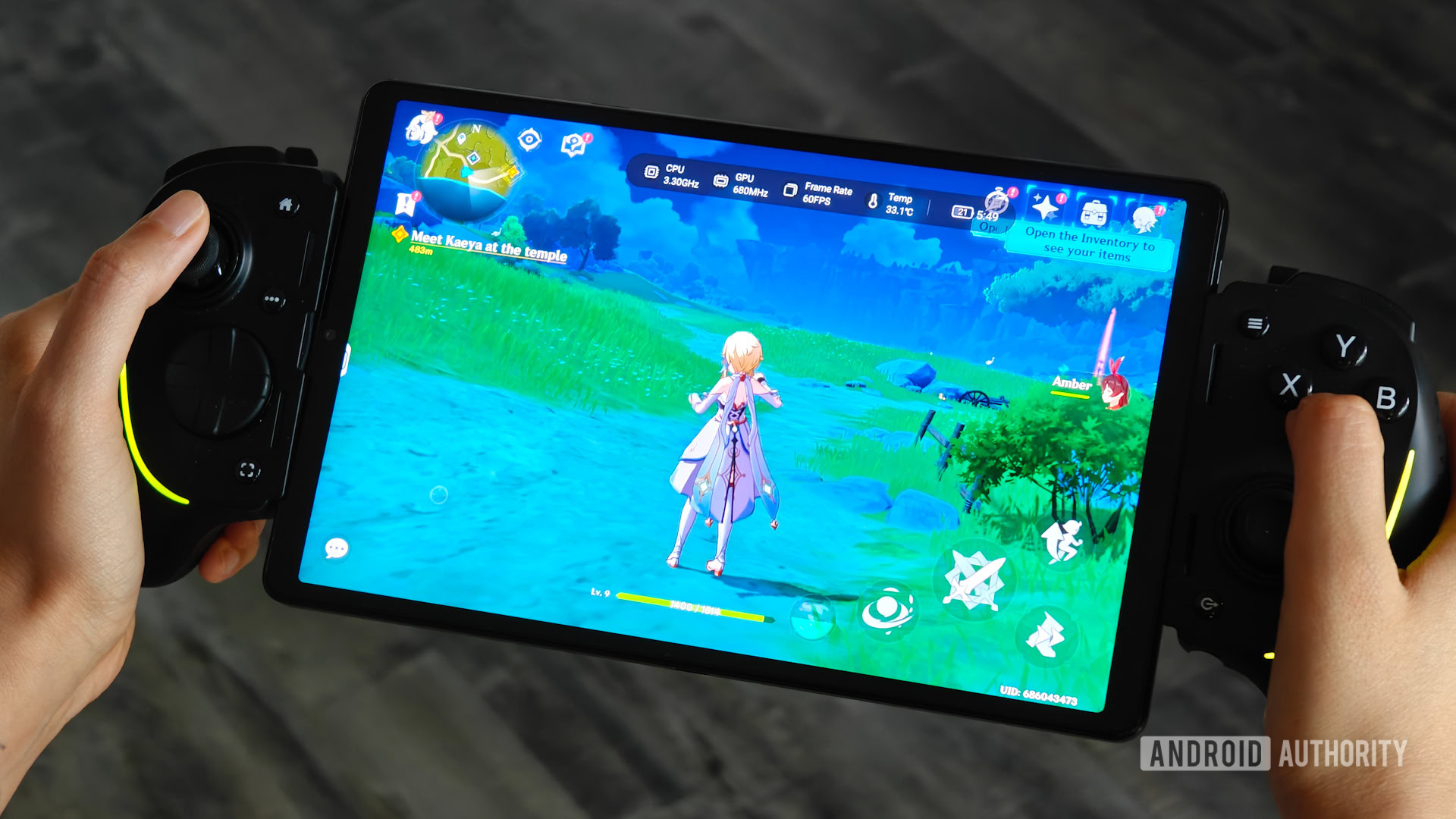
The memory shortage is so bad that Valve is delaying the release of the Steam Machine, which was supposed to launch early this year.
The company announced the decision in a blog post, saying it needs to “revisit” the shipping schedule for the Steam Machine, the VR headset the Steam Frame, and the Steam Controller, which were also supposed to arrive soon.
“When we announced these products in November, we planned on being able to share specific pricing and launch dates by now. But the memory and storage shortages you’ve likely heard about across the industry have rapidly increased since then,” Valve said.
In more bad news, the company needs to also reconsider the pricing especially for the Steam Machine and Steam Frame due to the rising costs and limited supplies for memory.
In one positive sign, Valve said, “Our goal of shipping all three products in the first half of the year has not changed. But we have work to do to land on concrete pricing and launch dates that we can confidently announce, being mindful of how quickly the circumstances around both of those things can change. We will keep you updated as much as we can as we finalize those plans as soon as possible.”
The company’s blog post goes on to answer some user questions about the products, including whether the Steam Machine can “play newer, more demanding games,” considering it features a lower-tier 8GB GPU inside.
Valve indicates it can play cutting-edge titles at respective frame rates, but with the help of AMD’s upscaling tech. “In our testing the majority of Steam titles play great at 4K 60FPS with FSR on Steam Machine. That said, there are some titles that currently require more upscaling than others, and it may be preferable to play at a lower framerate with VRR to maintain a 1080p internal resolution,” the company said.
Recommended by Our Editors
Valve announced the news a day after AMD’s CEO Lisa Su said the Steam Machine was actually on track to launch early this year. But her statement may have been more focused on the AMD-developed gaming processor inside the hardware.
In the same earnings call, Su also mentioned that Microsoft’s next-generation Xbox “is progressing well to support a launch in 2027.” But we also wonder if the memory crunch might postpone its release as well.

Get Our Best Stories!
Your Daily Dose of Our Top Tech News

By clicking Sign Me Up, you confirm you are 16+ and agree to our Terms of Use and Privacy
Policy.
Thanks for signing up!
Your subscription has been confirmed. Keep an eye on your inbox!
About Our Expert

Michael Kan
Senior Reporter
Experience
I’ve been a journalist for over 15 years. I got my start as a schools and cities reporter in Kansas City and joined PCMag in 2017, where I cover satellite internet services, cybersecurity, PC hardware, and more. I’m currently based in San Francisco, but previously spent over five years in China, covering the country’s technology sector.
Since 2020, I’ve covered the launch and explosive growth of SpaceX’s Starlink satellite internet service, writing 600+ stories on availability and feature launches, but also the regulatory battles over the expansion of satellite constellations, fights with rival providers like AST SpaceMobile and Amazon, and the effort to expand into satellite-based mobile service. I’ve combed through FCC filings for the latest news and driven to remote corners of California to test Starlink’s cellular service.
I also cover cyber threats, from ransomware gangs to the emergence of AI-based malware. Earlier this year, the FTC forced Avast to pay consumers $16.5 million for secretly harvesting and selling their personal information to third-party clients, as revealed in my joint investigation with Motherboard.
I also cover the PC graphics card market. Pandemic-era shortages led me to camp out in front of a Best Buy to get an RTX 3000. I’m now following how President Trump’s tariffs will affect the industry. I’m always eager to learn more, so please jump in the comments with feedback and send me tips.
Read Full Bio