Ultrahuman has announced a new Respiratory Health PowerPlug for its Ring Air smart ring, developed in partnership with sleep technology company Sleep Cycle, bringing advanced snoring and coughing analytics to more than 500,000 users.
The company says the feature addresses growing awareness around sleep-related breathing issues, citing research that links habitual snoring to a 46% higher risk of stroke, while around one-third of regular snorers may have undiagnosed obstructive sleep apnea.
Launched in the UK and US, the new feature combines audio analysis with biometric data to help users better understand how breathing disruptions during sleep affect recovery, sleep quality, and long-term health.
According to Ultrahuman, the update marks the first time a smart ring platform has paired high-resolution sound analysis with continuous physiological tracking to assess nighttime respiratory stability.
Ultrahuman and Sleep Cycle say users in the UK and US snore for an average of 40 to 45 minutes per night, often without realising it, with women under-reporting snoring despite similar prevalence to men.
How the Respiratory Health PowerPlug works
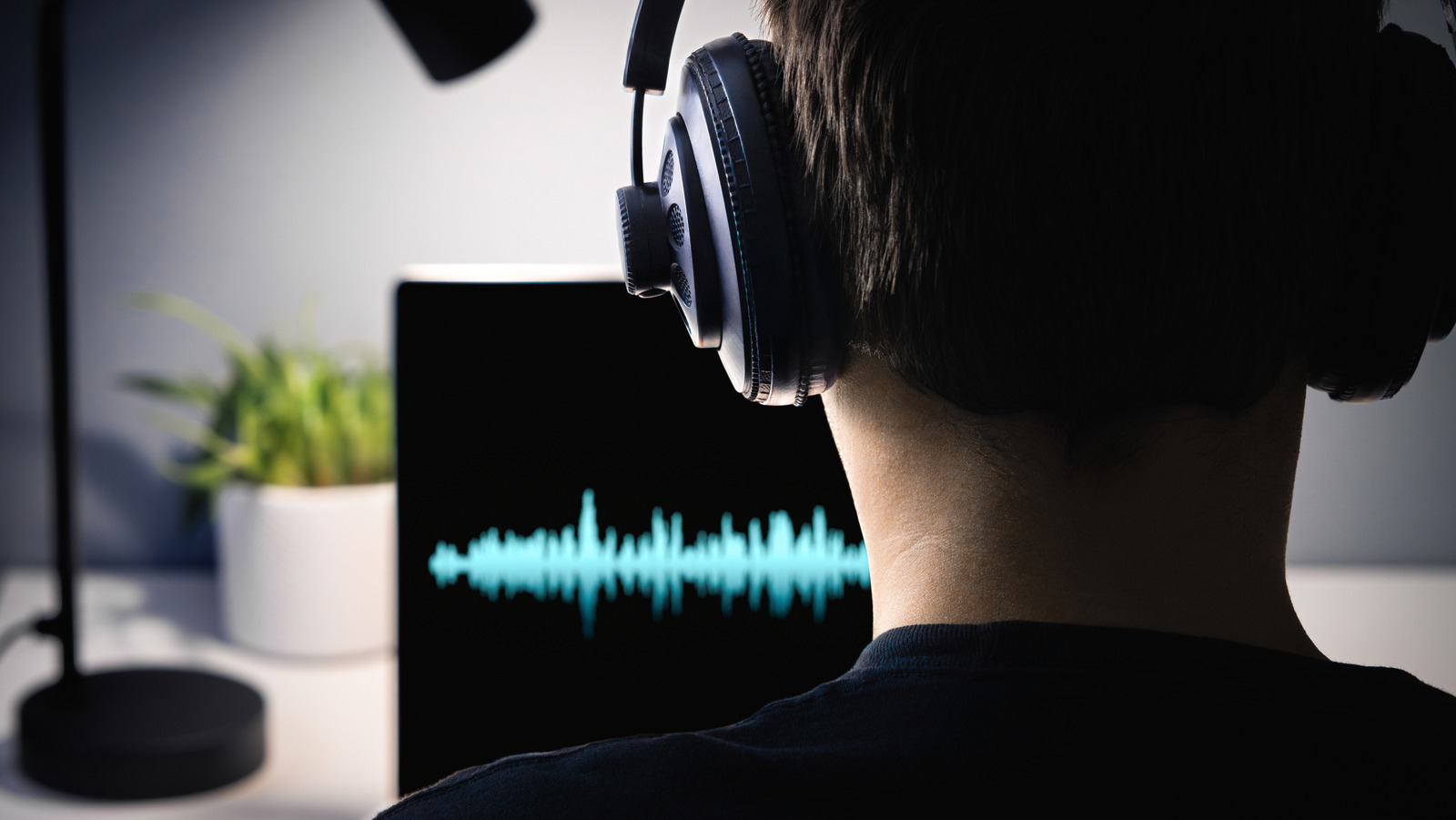
The Respiratory Health PowerPlug integrates Sleep Cycle’s AI-powered sound analysis SDK with Ring Air’s biometric sensors, allowing the system to detect snoring, coughing, and other respiratory disturbances using on-device smartphone audio processing.
Each detected event is aligned with physiological signals from the Ring Air, including heart rate variability, resting heart rate, movement patterns, and sleep fragmentation, to show how breathing issues influence sleep and recovery.

The system generates a daily morning report summarising respiratory disruptions and their impact on sleep, helping users decide whether lifestyle changes or medical follow-ups may be necessary.
All audio data is processed and stored locally on the user’s device, with no sound recordings uploaded to Ultrahuman or Sleep Cycle servers, and users can delete recordings at any time.
Ultrahuman positions the feature as a tool for early awareness, particularly for users who may otherwise overlook breathing issues that gradually affect cardiovascular and metabolic health.
Turning respiratory insights into practical changes
By showing when snoring or coughing intensifies and how it aligns with biometric changes, the Ring Air aims to help users link respiratory events to fatigue, poor recovery, or repeated awakenings.
Ultrahuman says this enables practical interventions such as adjusting sleep position, managing congestion, moderating alcohol intake, or discussing symptoms with healthcare professionals.
Rather than reacting weeks later to reduced performance or energy levels, users can track trends as they emerge and adjust behaviour earlier.
Sleep Cycle says combining audio-based detection with biometric data may help users better understand the health impact of habitual snoring and evaluate whether simple interventions make a measurable difference.
The Respiratory Health PowerPlug is rolling out now via a waitlist in the Ultrahuman app and is priced at $3.99 / £2.99 / €3.99 per month, or $39.99 / £29.99 / €39.99 per year.
SQUIRREL_PLAYLIST_10208056