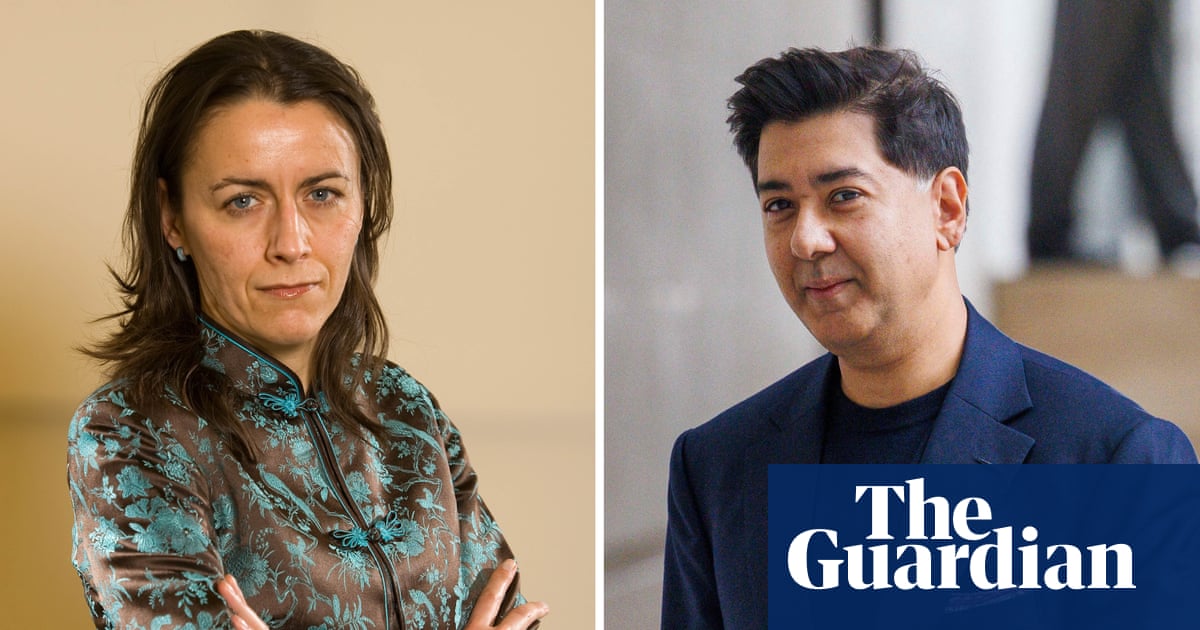
A senior Labour MP has accused the Trump administration of undermining free speech after Marco Rubio, the US secretary of state, announced sanctions against two British anti-disinformation campaigners.
Chi Onwurah, the chair of parliament’s technology select committee, criticised the US government hours after it announced “visa-related” sanctions against five Europeans, including Imran Ahmed and Clare Melford.
Ahmed leads the Center for Countering Digital Hate (CCDH), while Melford is chief executive of the Global Disinformation Index (GDI), both of which have clashed directly with Elon Musk, the owner of X and a former adviser to the US president.
Onwurah said on Wednesday: “Banning people because you disagree with what they say undermines the free speech the administration claims to seek.
“We desperately need a wide ranging debate on whether and how social media should be regulated in the interests of the people. Imran Ahmed gave evidence to the select committee’s inquiry into social media, algorithms and harmful content, and he was an articulate advocate for greater regulation and accountability.
“Banning him won’t shut down the debate, too many people are being harmed by the spread of digital hate.”
Her comments came after Rubio accused the five – who also include the former EU commissioner Thierry Breton – of leading “organised efforts to coerce American platforms to censor, demonetise and suppress American viewpoints they oppose”.
Sarah Rogers, an official at the state department, posted on X: “Our message is clear: if you spend your career fomenting censorship of American speech, you’re unwelcome on American soil.”
The CCDH has previously incurred the wrath of Musk over its reports chronicling the rise of racist, antisemitic and extremist content on X since he took over the platform. Musk tried unsuccessfully to sue the organisation last year, before calling it a “criminal organisation”.
The X owner has also called for the GDI to be shut down over its criticism of rightwing websites for spreading disinformation. And he has railed against the EU’s Digital Services Act, which Breton helped spearhead, and under which X was hit with a €120m (£105m) fine for what the EU called the deceptive design of its blue tick system for verifying users.
Melford is UK-based, while Ahmed, whose organisation once employed Keir Starmer’s chief of staff, Morgan McSweeney, as a director, lives in Washington DC with his family.
A spokesperson for GDI called the sanctions “an authoritarian attack on free speech and an egregious act of government censorship”. They added: “The Trump administration is, once again, using the full weight of the federal government to intimidate, censor and silence voices they disagree with. Their actions today are immoral, unlawful and un-American.”
Ahmed has been approached for comment.
A British government spokesperson said: “While every country has the right to set its own visa rules, we support the laws and institutions which are working to keep the internet free from the most harmful content.”
That response contrasted, however, with the more combative stance taken by the French government and the European Commission.
Emmanuel Macron, the French president, said the measures “amount to intimidation and coercion aimed at undermining European digital sovereignty”. The commission said in a statement it “strongly condemns” the actions of the Trump administration.
Jonathan Hall, the government’s independent reviewer of terrorism legislation, told Times Radio: “[This] will send a really massive chilling effect on everyone else who’s discussing the subject [internet regulation] at the moment.”
Campaigners in the UK warned the British government was likely to be targeted further if the Trump administration steps up its attacks on tech regulation.
Ava Lee, the executive director of People Vs Big Tech, said: “The Trump administration is escalating its attacks on Europeans trying to uphold the rule of law when it comes to big tech. With the Online Safety Act (OSA), the UK is likely to be next in the firing line.”
The Trump administration has previously flagged its concerns about the OSA. This year a group of officials from the state department met Ofcom, the regulator charged with overseeing the act, and are understood to have raised concerns that the act will risk infringing free speech.
Beeban Kidron, a crossbench peer in the UK’s House of Lords and a prominent online safety campaigner, said Rubio’s comments on the visa bans were an “outrage”.
“The US tech sector, backed by the US administration, is attempting to undermine European laws and values,” she said.