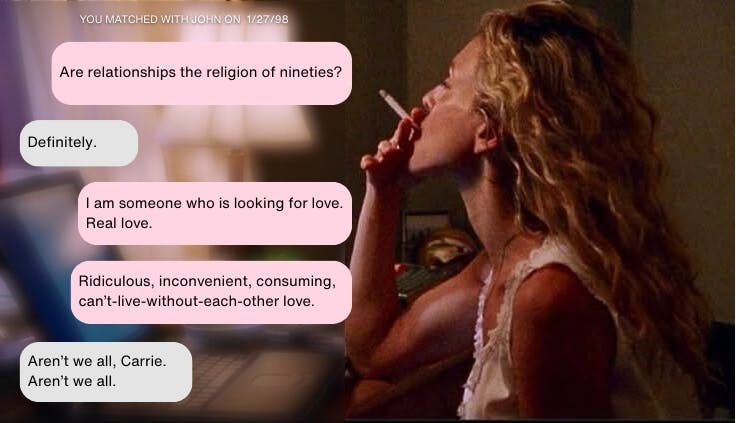
👩🏼❤️👨🏻 Dating as a timeless human topic
Dating is one of the oldest human problems we continue to try to solve with technology, probably because it sits at the intersection of hope, vulnerability, ego, and timing, and rarely follows logic. Long before apps existed, people obsessed over mixed signals, situationships (before they had a name), and spiraling into why this person, why now, and why did it suddenly go cold?
Technology didn’t invent this emotional chaos; it simply stepped into it, promising structure where there was a lot of uncertainty.
I met my future husband on Tinder. I was SO happy at the time that I nearly wrote an email to the Tinder CEO – partly to say a big, heartfelt thank you for helping me meet the love of my life, and partly because I was just itching to know if their tech played a cupid or if it was all just perfect timing and a twist of fate. But… I never actually sent it.
Especially because, around me, I kept hearing the opposite story from friends and users alike — that dating apps were dead, people were burned out, ghosted one too many times, and stuck in endless swipe-and-unmatch loops. That disconnect stayed with me, and having worked as Head of Support across a portfolio of 35 dating apps generating over $400M in ARR, I knew there was nothing wrong with dating itself, but the experience people were quietly churning out of. n I kept hearing that dating apps are dead. However, it barely matched reality: the online dating application market is projected to grow by ~43% from 2025 to 2030.
💌 How It All Started
Match.com was one of the first stand-alone mainstream dating brands, launching its beta version website in 1995, growing its user base to 1.9 million by 2001. User experience mainly looked similar to a search engine: you fill in info about yourself, and you set up filters on whom you’re interested in meeting. With your search results, it almost looked like a marketplace: you can view the profiles matching the criteria, add them to ‘My Matches’, and start correspondence.
OkCupid followed up; however, they took dating further, adapting it to internet playful culture: instead of giving you access to endless browsing, they introduced the Matching Test (that had a promise to be extremely scientific – Myers-Briggs style). That narrowed the search to the list of the most strongly compatible individuals you got to interact with.
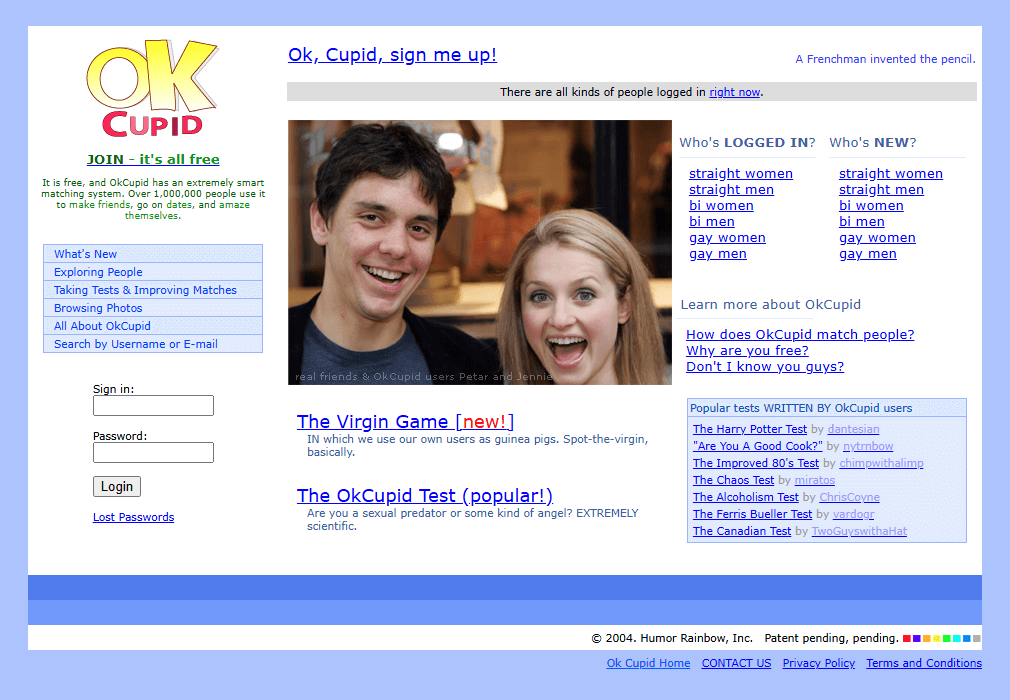
User intent, back then, was tied to a need to expand the pool of viable options limited by people’s offline lives. The end goal was to get it to an actual date, when online engagement was a path to it.
Main churn reasons were associated with too much effort put in with no desired outcome:
“I’ve sent 10 messages, got 1 reply, nothing’s happening.”
“I’ve seen everyone within my radius/criteria.”
On top of that, it was also enough for one creepy interaction to happen to abandon the platform, as it felt too risky.

💖 Rise of Swiping Culture
At the moment Tinder introduced swipe, online dating was struggling with the same friction most consumer products face early on: slow onboarding, high cognitive load, and too much effort required before a user felt any momentum. All these struggles going through long profiles, having to send an awkward opening message before you even know if you’ll be liked back – swipe removed all of that in one move.
From the CX perspective, – oh, it felt liberating. Users suddenly had access to a much broader pool of potential matches, clearer signals of interest, and a way to quickly rule people in or out based on first impression.
At some point, the intent slowly shifted.
Users no longer came only to find a partner; they came to check how desirable they still were. Likes, matches, and notifications turned attraction into a visible number, something you could refresh, count, and come back to. In early dating products, you either received a message or you didn’t — desire was binary and rare. Now it’s continuous and repeatable.
The app stops being just a path to a date and becomes a confidence stabilizer, a mood regulator, a small hit of reassurance during the day. You no longer need a date or even a conversation to feel successful. Sometimes, a like is enough.
From a business perspective, swipe was a clean solution to fast-track a user from onboarding to an actual action to get them engaged. It lowered the barrier to participation, increased daily usage, and made dating feel less intimidating for people who were new, shy, or simply short on time.
The tension emerged later.
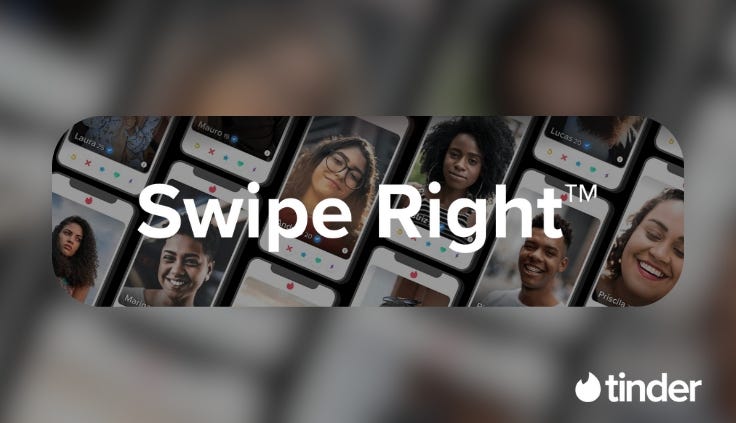 What was designed to reduce friction also removed many of the natural stopping points that used to give dating a sense of progress. With endless profiles to review and very little guidance on when to slow down, users could stay active without ever feeling closer to an outcome. Over time, more choices didn’t lead to better matches – instead, it imposed more decisions, opened up more conversations that went nowhere, and a growing sense of overwhelm.
The experience remained busy, but emotionally flat.
As swipe spread across the industry, most products copied the mechanic without rethinking the incentives it created. Bumble took a slightly different path, keeping swipe, but flipping the concept by requiring women to initiate conversations.
That small design choice reintroduced intention into an otherwise frictionless flow, signaling an early understanding that speed and volume alone were not enough to sustain a healthy experience. The difference wasn’t about right or wrong mechanics, but about how much structure users need to avoid drifting into fatigue.
In hindsight, swipe wasn’t the problem. The lack of visible progress was.
When effort isn’t clearly connected to outcomes, users slowly disengage. They swipe less, open the app less often, and eventually move on.
What started as a breakthrough in access and efficiency gradually exposed a CX gap that many dating products are still trying to close today.
🪫 The algorithm is cute, but I’m tired
Swipe-based dating products are deeply shaped by the way they learned to grow. Their core mechanics reward repetition, speed, and volume, and over time, those mechanics became inseparable from how success is measured internally.
Engagement dashboards prioritize activity that can be scaled and compared week over week, while outcomes that happen outside the app remain largely invisible. As a result, product decisions naturally reinforce behaviors that keep users browsing rather than moving forward.
Across dating products, overwhelm tends to show up through three recurring failure modes — all of them designed into the experience, not caused by user behaviour.
-
Decision fatigue
Match rates make asymmetry look visible: for men, right swipes typically convert into matches at around 1-3%, while for women, that number can be 10-20%.
Men swipe more to compensate for scarcity; women swipe more to filter abundance.
In both cases, sessions stay high while clarity declines. The product optimizes for swipes per session, but never signals when decision quality is degrading or when stopping would be rational.
-
Emotional flattening
Even when a match happens, the conversion from match to meaningful interaction is weak. Fewer than 50% of matches result in a message, and only a fraction of those turn into sustained conversations. As a result, users experience high surface-level validation with low emotional payoff.
Profiles blur together, conversations feel soulless, and the cost of disengaging drops. Engagement metrics still look healthy – but emotional investment per interaction steadily declines.
-
Outcome capacity
The third, and most critical, failure mode is outcome opacity. Users invest time and attention, but the product offers almost no feedback on whether that effort is improving results. Free-to-paid conversion rates in dating apps typically sit at 2–5%, driven mostly by a small cohort of power users, while the majority never see enough improvement to justify paying.
Users don’t know whether better photos, fewer swipes, more messages, or more patience would actually change outcomes. Activity is rewarded; learning is not. When effort doesn’t visibly compound, belief erodes.
💥 The shift dating apps can’t ignore
Just as legacy dating websites that once worked well have struggled to age gracefully, swipe-based apps are now failing to adapt to shifts in dating culture and user intent
Swipe has trained people to treat dating as a form of lightweight consumption, something that fits into spare moments and boredom gaps. When products attempt to layer intention on top of that mental model, it often feels misaligned. Prompts for deeper conversations or more thoughtful choices struggle to land inside an interface that users associate with casual scrolling. The habit loop remains intact even as the user’s expectations quietly change.
The next era of dating apps won’t feel like apps at all.
Over time, this affects trust. When apps continue to surface large volumes of weak signals, users learn to do the heavy lifting themselves. They filter harder, reply less, and abandon conversations more quickly. The belief that the product is actively helping them move forward fades, replaced by a sense that it simply keeps them busy. Once that belief weakens, engagement follows the same path, gradually and without friction.
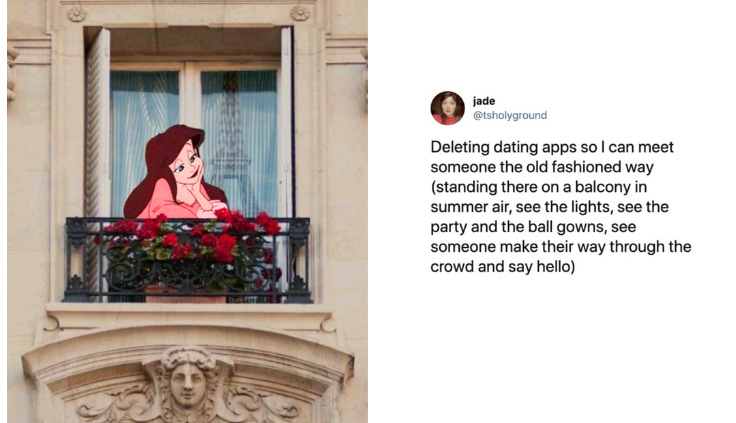
What’s emerging next responds directly to that shift in intent. New dating formats are likely to feel slower, calmer, and more deliberate, even if they rely on modern technology under the hood.
Selection will matter more than volume.
Signals will carry more weight.
Dating apps will move away from scrolling for distraction and toward guiding people into real plans, with real people, in the real world.