When the MV Hondius left Ushuaia heading to Antarctica on March 20, no one could imagine the hell they were about to experience: 150 people of 23 different nationalities, a relatively small ship and a virus that has already caused the death of three passengers.
The Dutch shipping company Oceanwide Expeditions is now considering docking in the Canary Islands, which guarantees extra media attention. And yet, the health risk is minimal. In fact, the true health risk for Spain lies elsewhere: much closer.
“Risk”? Yes, ‘risk’ is the word and the best example is Andalusia. On March 2, 2026, the Board announced that its Strategic Plan for Surveillance and Comprehensive Vector Control until now limited to West Nile virus will incorporate (for the first time) the monitoring of dengue, chikungunya and Zika.
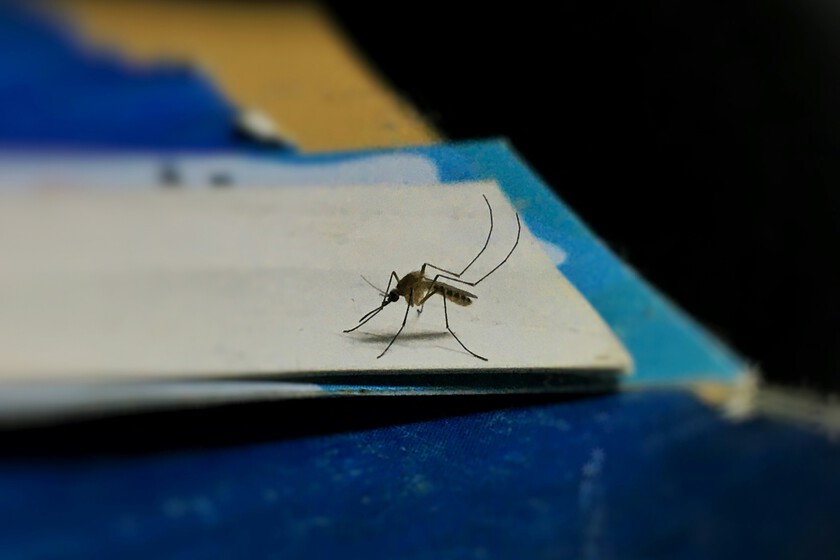
It seems somewhat anecdotal, but what it hides is a profound epidemiological change: not only Andalusia, but the entire Spanish Mediterranean is becoming the perfect ‘breeding ground’ for the mosquitoes that spread all these diseases.
What’s more, all this coincides temporally not only with the largest dengue epidemic ever recorded in the Americas (12.6 million cases), but with the historical record of indigenous chikungunya in continental Europe.
Dengue in Spain. It is worth dwelling on this because, according to data from the National Epidemiology Center, Spain reported 1,119 cases of dengue in 2024 (compared to 615 in 2023, 503 in 2022 and 50 in 2021). It is true that the majority are imported, but indigenous cases are growing.
It is not a minor issue: before 2018 we had gone almost a century without indigenous cases in Spain.
What changes for someone who lives in Spain? Today, 66% of the Spanish population already lives in municipalities with confirmed presence of tiger mosquitoes. This means that the individual risk of contracting diseases such as dengue, chikungunya or Zika remains low and localized (without having left the country), but it is certainly on the table.
As Pamela Rendi-Wagner, director of the ECDC, pointed out last year, we have entered a new normal. And we have to learn that this situation is not fought with headlines but by eliminating stagnant water in patios and terraces.
It is worth remembering that the (immense) majority of epidemics in the last 40 years have not been due to unknown diseases, but to known diseases that went beyond their usual niche. That’s what we’re about to see: a bunch of diseases moving across a continent that has no recent experience managing them.
Image | Mithil Girish
In | Mosquitoes attack me in summer and I tried these TikTok tricks to get rid of them