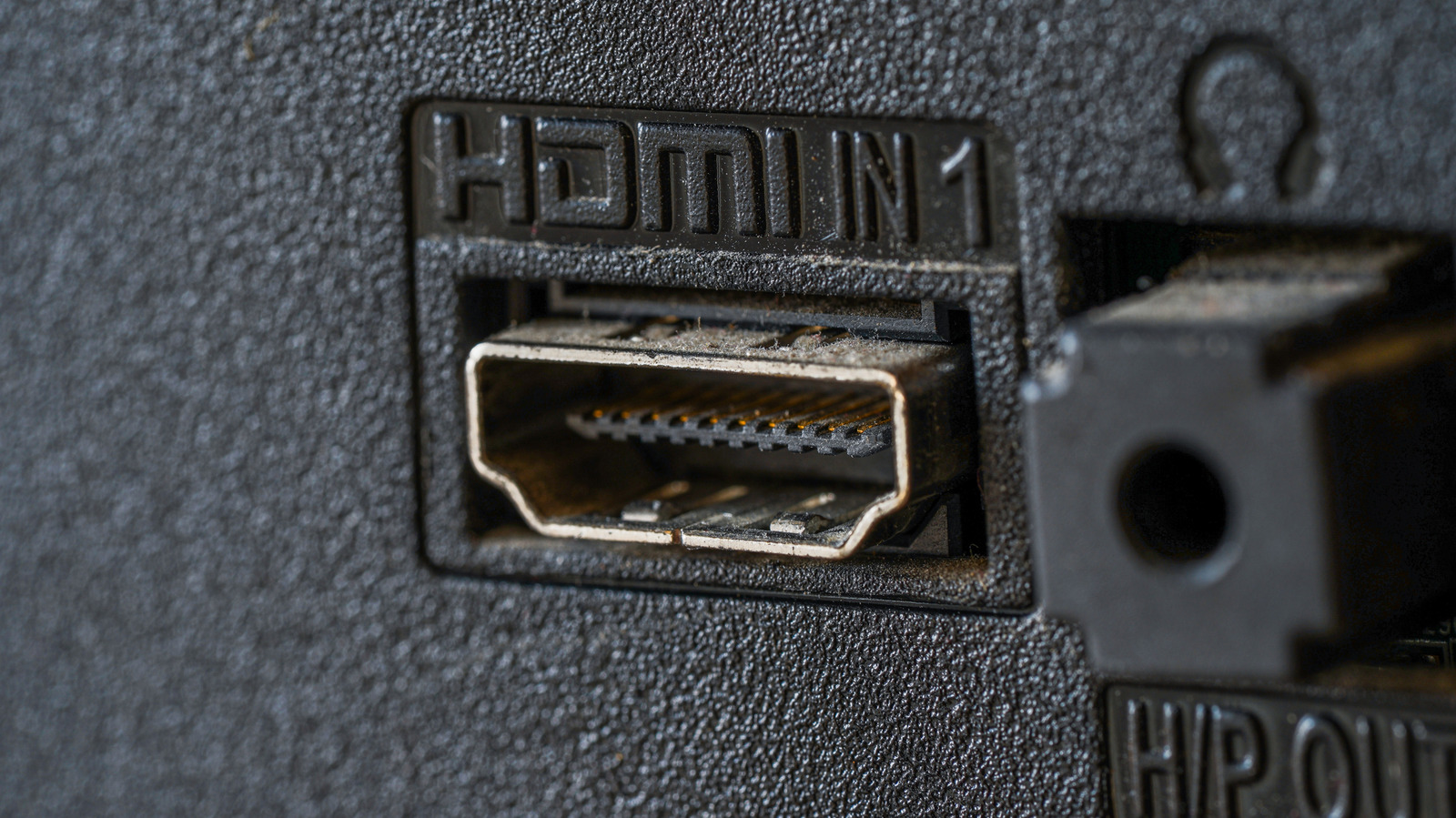
The HDMI standard, which stands for High-Definition Multimedia Interface, is both a signal standard and a common connector for modern high-definition TVs. Most people know that already, though. What is not as well-known, however, is that HDMI is actually a company, owned by a consortium of electronics manufacturers, including brands like Hitachi, Sony, Panasonic, Philips, Toshiba, Thomson, and more.
What this means is that the HDMI specification is licensed to other partners, and those who wish to adopt and use the related technologies must acquire a license first. These licensees are referred to as “HDMI adopters” and include over 1,900 of the world’s largest consumer electronics brands. Those adopters, which are essentially consumer electronics manufacturers, pay annual fees and royalties to use the HDMI trademark and technologies in products.
The founders, or the original owners, include Arris Global and Arris Group, Philips, Lattice Semiconductor, Maxell, Panasonic, Sanyo, Sony Group, Toshiba (including Toshiba Tec and Teli), and Vantiva Technologies. Meanwhile, the licensing is handled by the HDMI Licensing Administrator.
Why was HDMI established as a consortium?
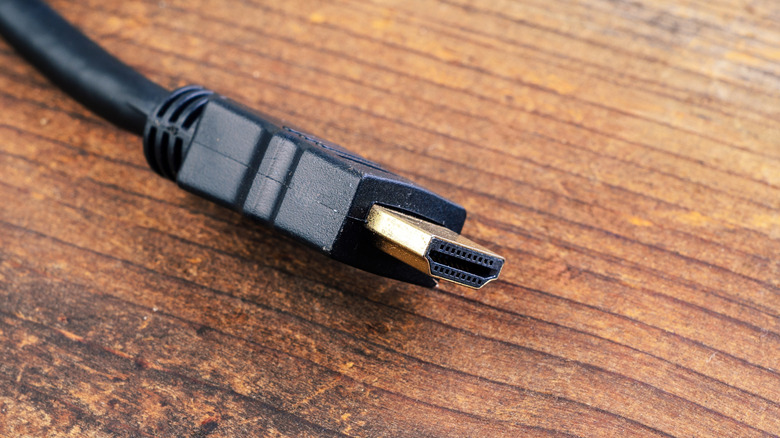
In 2002, when HDMI was conceived, there was no universal or unifying port like it. Instead, people used a combination of connectors, like VGA, DVI and RCA, but there was no single cable that combined audio and video. That’s why leading electronics companies came together to create that single, high-quality cable to replace older analog options, and that is what we know today as HDMI.
Over the years, the standard has received several upgrades, such as HDMI 2.2, which was introduced at CES 2025. Each new iteration brings performance enhancements for higher bandwidth, and 2.2 will introduce support for audio and video technologies up to 16K. With those upgrades, and when you get newer devices, that’s why it makes sense to replace your old HDMI cables with newer, more capable options. But ultimately, the standard has achieved exactly what the original founders and consortium set out to achieve, creating a single, universal audio and video connector that makes syncing media and entertainment devices easier than ever.
Today, HDMI is used to connect media devices like Roku or Fire TV, laptops, monitors, game consoles, surround audio systems, soundbars, and so much more. As of January 2026, about 14 billion devices are enabled with HDMI technology. If you do the math, that’s about 583 million new devices every year since its 2002 launch (14 billion/24 years=583,333,333). Impressive.