We live in a world obsessed with speed. Faster apps, quicker deliveries, instant updates, and endless streams of information define our daily lives. In this race to move faster, topics that require patience and long-term thinking—like the environment—often feel slow, inconvenient, or easy to ignore.
Yet, the environmental challenges we face today are deeply connected to the technology-driven world we are building. Writing about the environment in such a fast-paced, tech-addicted era feels both challenging and necessary.
The Problem With Speed
Speed has become a virtue. If something is not trending, viral, or instantly engaging, it risks being forgotten. Environmental issues rarely fit into this rhythm. Climate change, biodiversity loss, and sustainability are slow-moving problems. Their consequences unfold over years, not minutes.
This creates a mismatch. A world trained to scroll quickly struggles to engage with issues that demand reflection and patience. Writing about the environment often feels like speaking softly in a room full of noise.
Where Technology Fits In
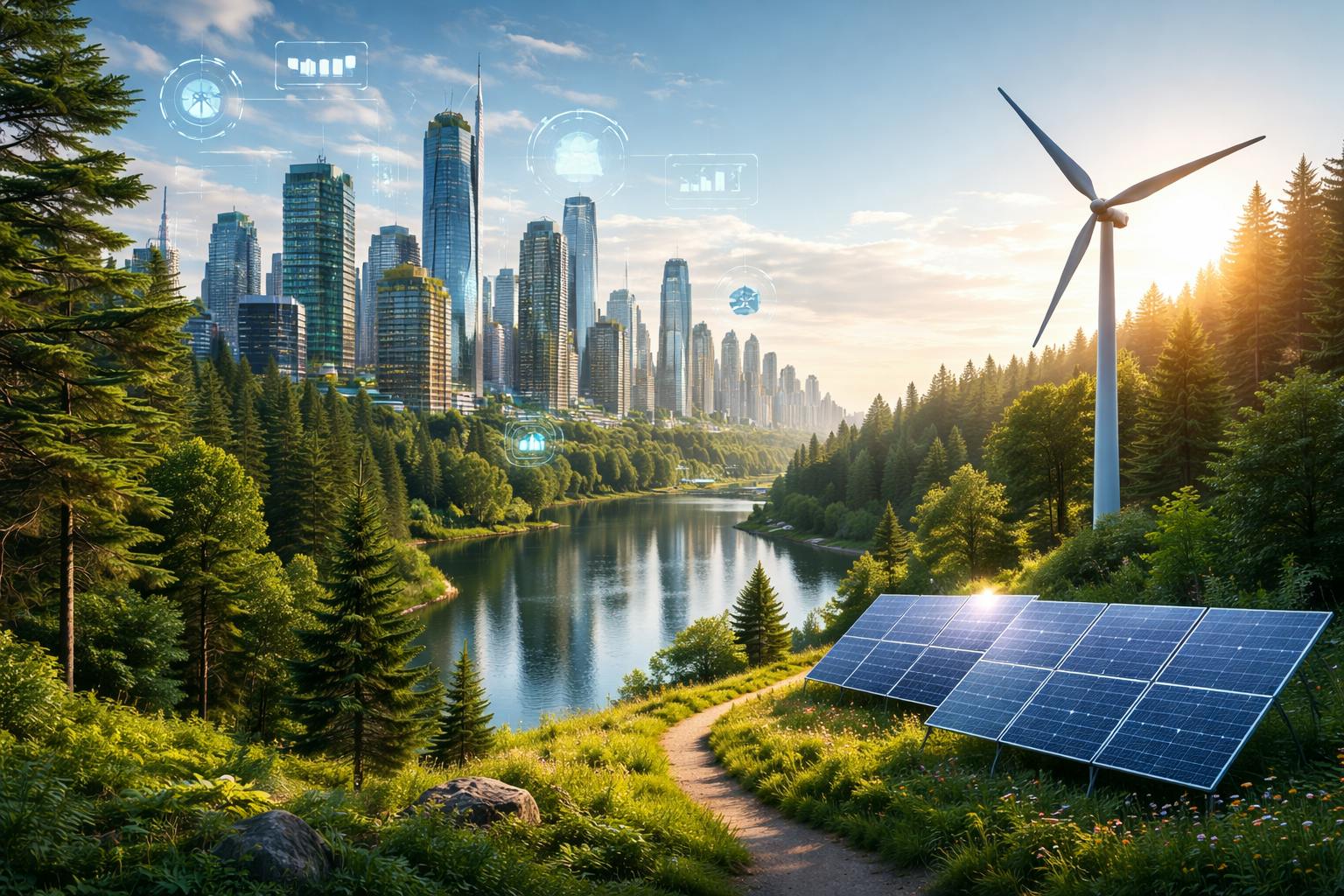
Technology sits at the center of this tension. On one hand, it fuels consumption, distraction, and a culture of constant acceleration. On the other, it provides powerful tools for awareness, data collection, innovation, and solutions.
From satellite imagery tracking deforestation to AI models predicting climate patterns, technology has the potential to support environmental action. At the same time, it can distance us from the natural world by keeping our attention locked on screens instead of surroundings.
This dual role makes technology neither the villain nor the savior—it is simply a force shaped by how we choose to use it.
Why Writing Still Matters
In a world dominated by short videos and rapid updates, writing may seem outdated. But writing does something technology often cannot: it slows people down.
Thoughtful writing creates space for reflection. It allows complex ideas to be explored without reducing them to headlines or sound bites. Writing about the environment is not about delivering instant solutions; it is about encouraging deeper thinking in a culture that rarely pauses.
Even a single well-written piece can challenge assumptions, spark curiosity, or plant a question that stays with a reader longer than a fleeting trend.
Why I Write About the Environment
I do not write as a professional environmentalist or expert. I write out of curiosity and concern, trying to understand the world I am living in. Writing helps me think clearly, connect ideas, and learn in public.
The environment affects every aspect of our future, yet it often feels pushed aside by faster, louder topics. Writing becomes my way of resisting that neglect—of giving space to questions that deserve more attention than they usually receive.
Slowing Down in a Fast World
In a culture that rewards speed, choosing to slow down feels uncomfortable. Writing about the environment forces that pause. It reminds us that not everything meaningful can be optimized, automated, or rushed. Some problems demand patience, attention, and long-term thinking—qualities that feel rare but essential today.
The Cost of Ignoring Slow Questions
Not every important problem fits into a fast cycle of updates and reactions. Environmental questions unfold slowly, often without dramatic moments that demand immediate attention. Because of this, they are easy to postpone, dismiss, or forget.
Writing about the environment becomes a way to resist that pattern. It asks readers to stay with an idea a little longer, to think beyond immediate rewards or trends. In a world that values speed, choosing to engage with slower questions is not inefficient—it is intentional. Sometimes, giving time and words to what feels unurgent is exactly what makes it matter.
Final Thoughts
Writing alone will not change the world overnight. But it can change how we pause, think, and care. In a world addicted to speed and technology, choosing to write thoughtfully about the environment is a quiet act of resistance.
Sometimes, slowing down is the most meaningful step forward.