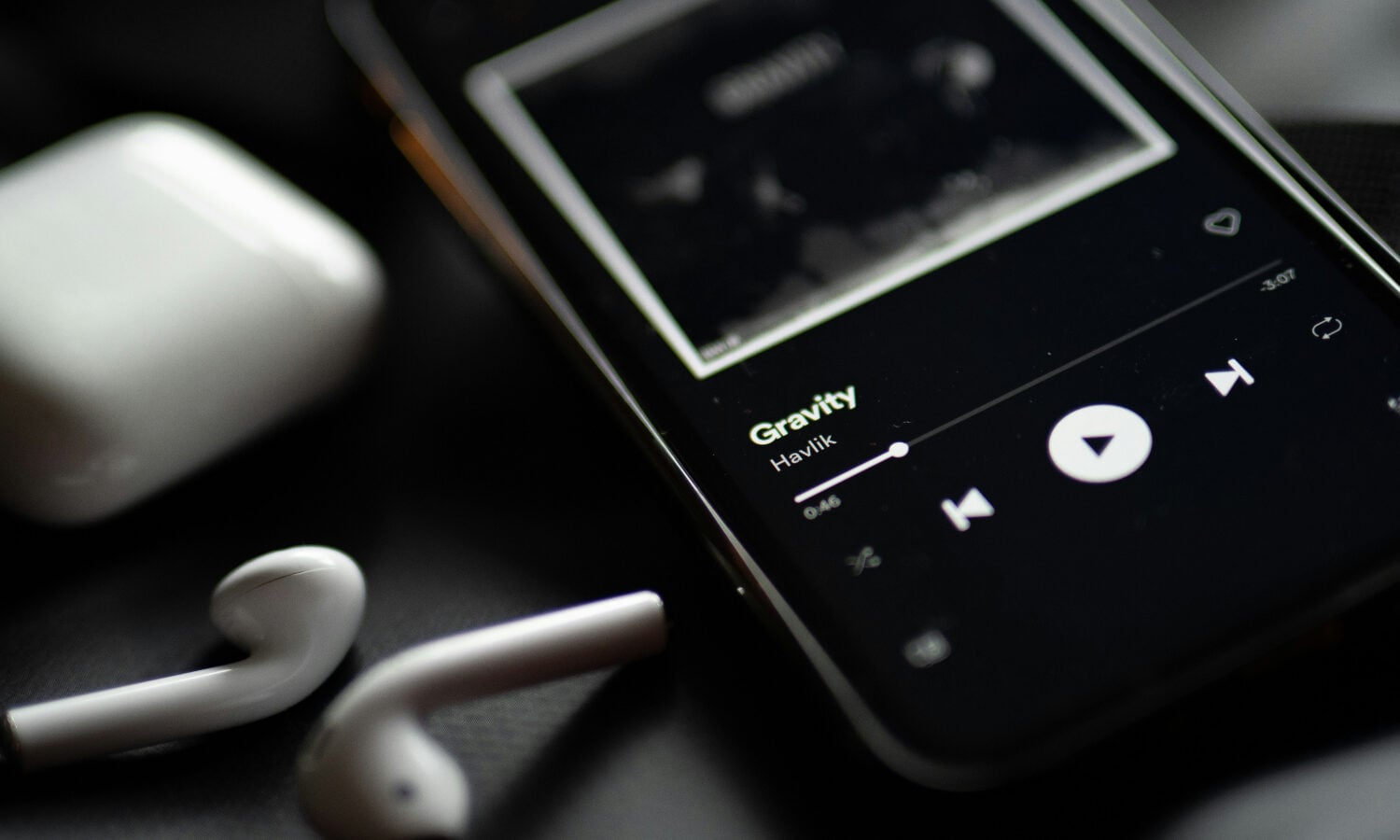
Choosing a music streaming platform is not always an easy task. Several criteria can in fact be taken into account when taking out a subscription. The first often concerns the price. But it is clear that the offers offered by the different market players have, over time, become more homogenized. The second criterion that comes into play is also often the extent of the musical catalog offered. But again, all platforms offer, in the vast majority of cases, almost all of the artists you usually listen to.
Then there remains the criterion of the platform from which you will use it most often. On Android, chances are you’ll opt for YouTube Music, for example, since the app is usually installed there by default. On iOS, users will logically tend to prefer Apple Music, for its perfect integration into the iPhone.
It is also possible that some of you have subscribed to Amazon Music Unlimited, after having tasted the restricted version, but included in the Amazon Prime subscription, of Amazon Music.
But there are other elements that weigh in the balance, such as the application interface, or the recommendation algorithm, more or less relevant depending on the platform.
The good news is that if you are considering leaving one of the previously mentioned services, all American, you have plenty of choice to embrace a European platform. It is in fact on the Old Continent that some of the best platforms saw the light of day. Here are our favorites.
Born in Sweden in 2006, Spotify was officially launched in 2008. The platform, headquartered in Stockholm, was created at the time in response to illegal downloading and online musical fragmentation. The promise of the service was relatively simple since it wanted to give instant access to a vast musical catalog, free of charge, financed through advertising, via a Freemium model.
Since then, water has flowed under the bridge, and Spotify has undoubtedly become the leader in music streaming in the world. The platform, which boasts some 761 million users, including 293 million paying subscribers, relies on a musical catalog composed of more than 100 million titles. Over the years, Spotify has also diversified the media it broadcasts. In addition to music, the platform also provides access to a catalog of podcasts and audiobooks.
Its main asset undoubtedly remains its recommendation algorithm, which has become a reference for many users. Spotify offers, for example, its Discover Weekly and its Release Radar, playlists that allow you to discover new songs and new artists every week.
The service also offers thematic radio stations, based on artists or songs, and provides generally very relevant recommendations based on your listening history. Spotify has also developed a certain social dimension by imposing over the years its Spotify Wrapped, an annual summary of what you have listened to, and which users generally rush to share on social networks.
Founded in 2007 in France, Deezer is, like Spotify, one of the pioneers of music streaming in Europe. The platform, which has developed internationally, but is mainly used in France, is often presented as the best French alternative to Spotify.
Deezer, which has around 10 million subscribers, claims 120 million titles in its catalog. Like Spotify, the platform has been able to diversify the content it offers over the years. In addition to music, the service offers a catalog of podcasts.
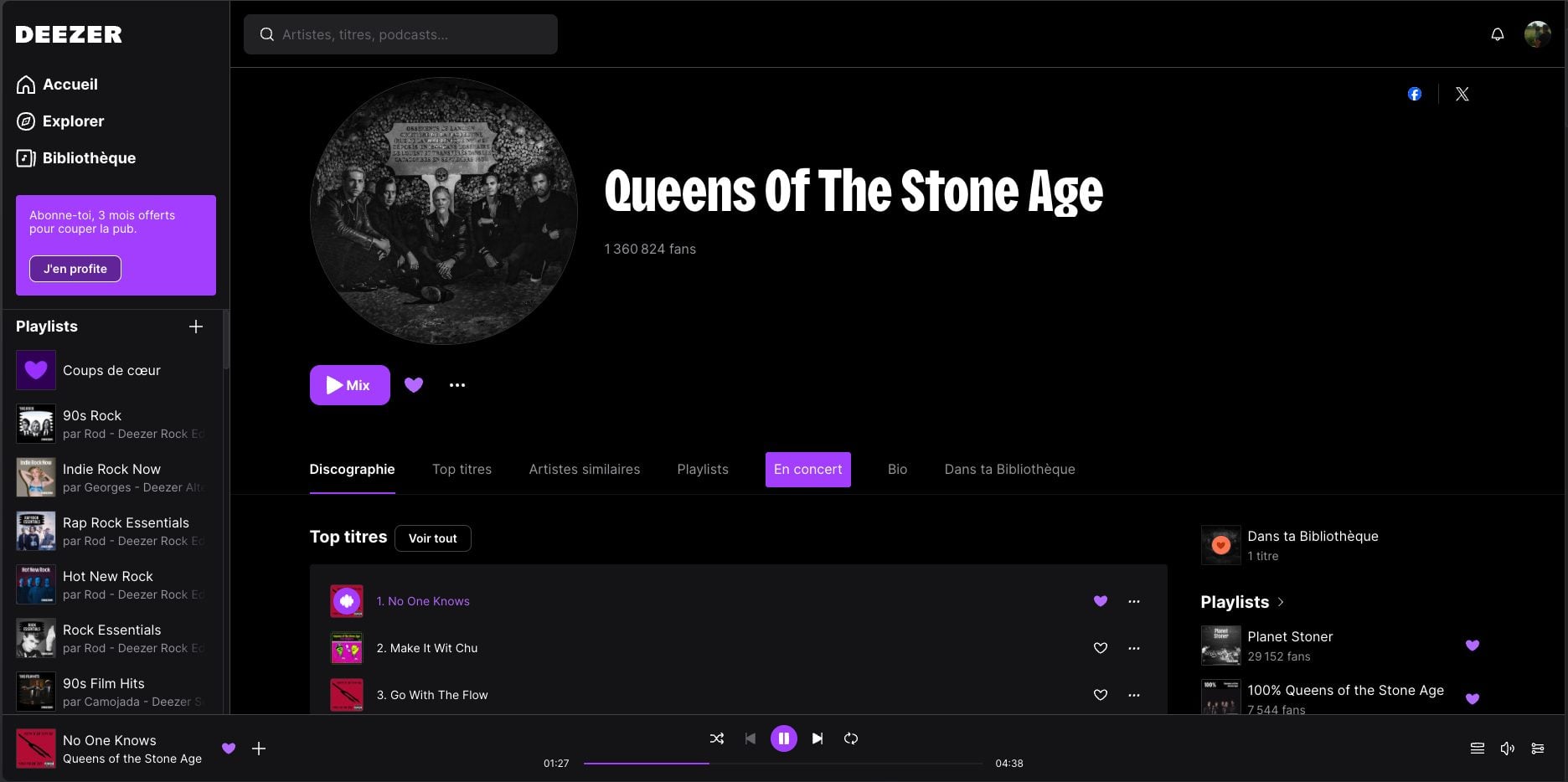
The French platform, which has long led the debate on a remuneration model centered on artists, has repositioned itself on a service offering CD quality (without loss of quality) and offers a functionality that has become emblematic for many users. Flow, that’s its name, offers a personalized reading flow combining known titles, recommendations and favorites.
Recently, the platform implemented a system intended to detect and identify music generated by artificial intelligence, which has been proliferating for several months on all platforms. To try to limit this proliferation, Deezer has created an online service capable of detecting AI-generated music across all streaming services.
3. Qobuz 🇫🇷
Just like Deezer, Qobuz is a French platform. Launched in 2007, the service positioned itself very early on the sound quality it provides, both in streaming and downloading. Because yes, this is one of the particularities of Qobuz, the platform offers, like its competitors, the ability to listen to music in streaming for a monthly subscription, but also to purchase songs for download, as Apple offers on the iTunes Store.
Qobuz is therefore particularly aimed at audiophiles looking for high-resolution music. If the platform does not officially communicate its number of subscribers (probably several hundred thousand), it offers a musical catalog which clearly has nothing to envy of the giants of the sector, with around 100 million titles.
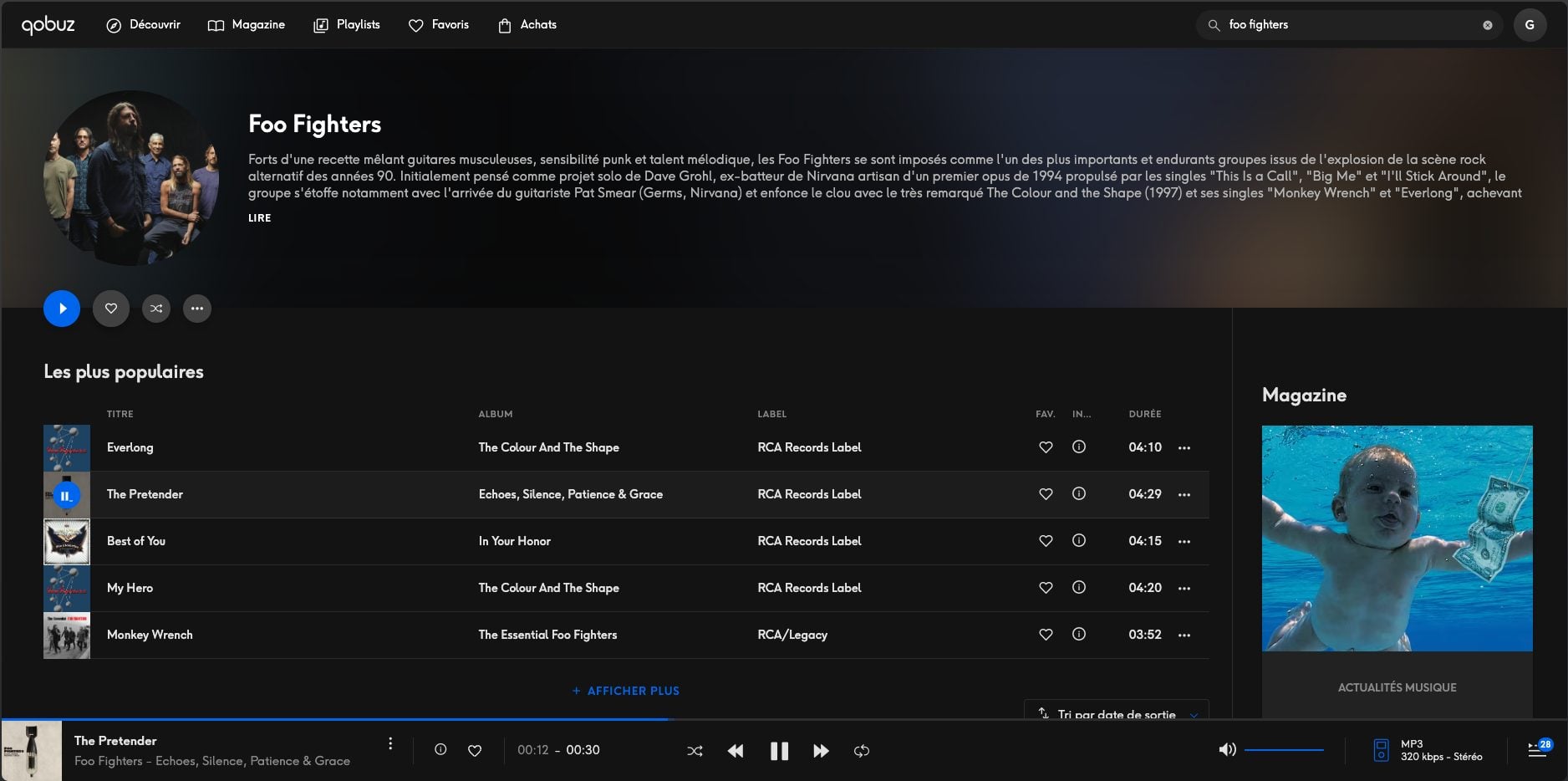
Unlike its competitors, Qobuz focuses primarily on music. So don’t expect to find podcasts or videos like there are on Spotify. The service is also designed less like a stream, and more like a music media library. There you will find artist profiles, credits, and editorialized recommendations, where the competition tends to rely on algorithmic recommendations.
Created in 2007 in Berlin, SoundCloud is a bit of an exception in the world of streaming music platforms. Rather designed as an online uploading and audio circulation tool for creators, SoundCloud has very quickly become a central service for independent producers, and artists behind remixes, DJ sets, podcasts, experimental music (rap, electronic music, etc.), but also lives, or even titles published by certain artists between two albums.
But be careful, artists from all backgrounds publish their songs on SoundCloud, including the most famous. SoundCloud is, in short, the most relevant platform for discovering artists before anyone else, or for finding content that cannot be found elsewhere.
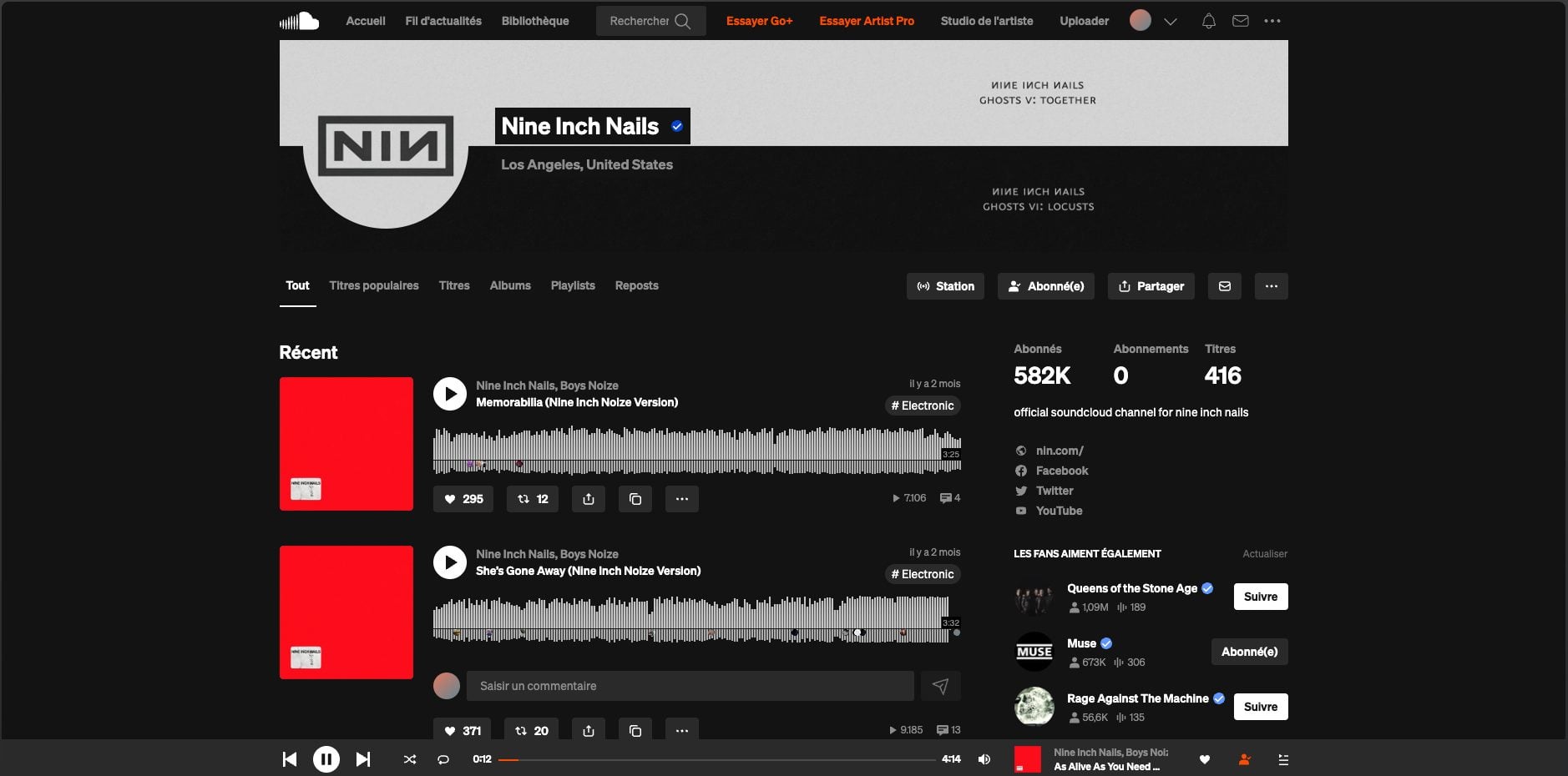
SoundCloud therefore clearly does not play in the same category as other music streaming platforms. Rather than serving you a musical catalog similar to what exists elsewhere, the service allows you to discover gems of independent music that you will not hear from competitors. Although it communicates very little about the extent of its catalog, the company would offer some 400 million titles for listening.
If SoundCloud is accessible for free, the platform also offers a paid subscription allowing access, in addition to the songs published by the artists, to the catalogs of the biggest majors, like the big names in the sector such as Spotify, Apple Music, or even YouTube Music.
Born in 2008 in London, Mixcloud is a platform quite similar to what SoundCloud offers. It offers artists the opportunity to host their DJ sets, but also allows them to listen to radio shows and musical podcasts, some of which live. The service, which positions itself as an alternative to traditional radio stations, offers a vast catalog in which all musical genres are represented.
While many artists broadcast their creations there, major international radio stations also broadcast their shows there. In the same way, certain DJs broadcast long mixes incorporating copyrighted music.
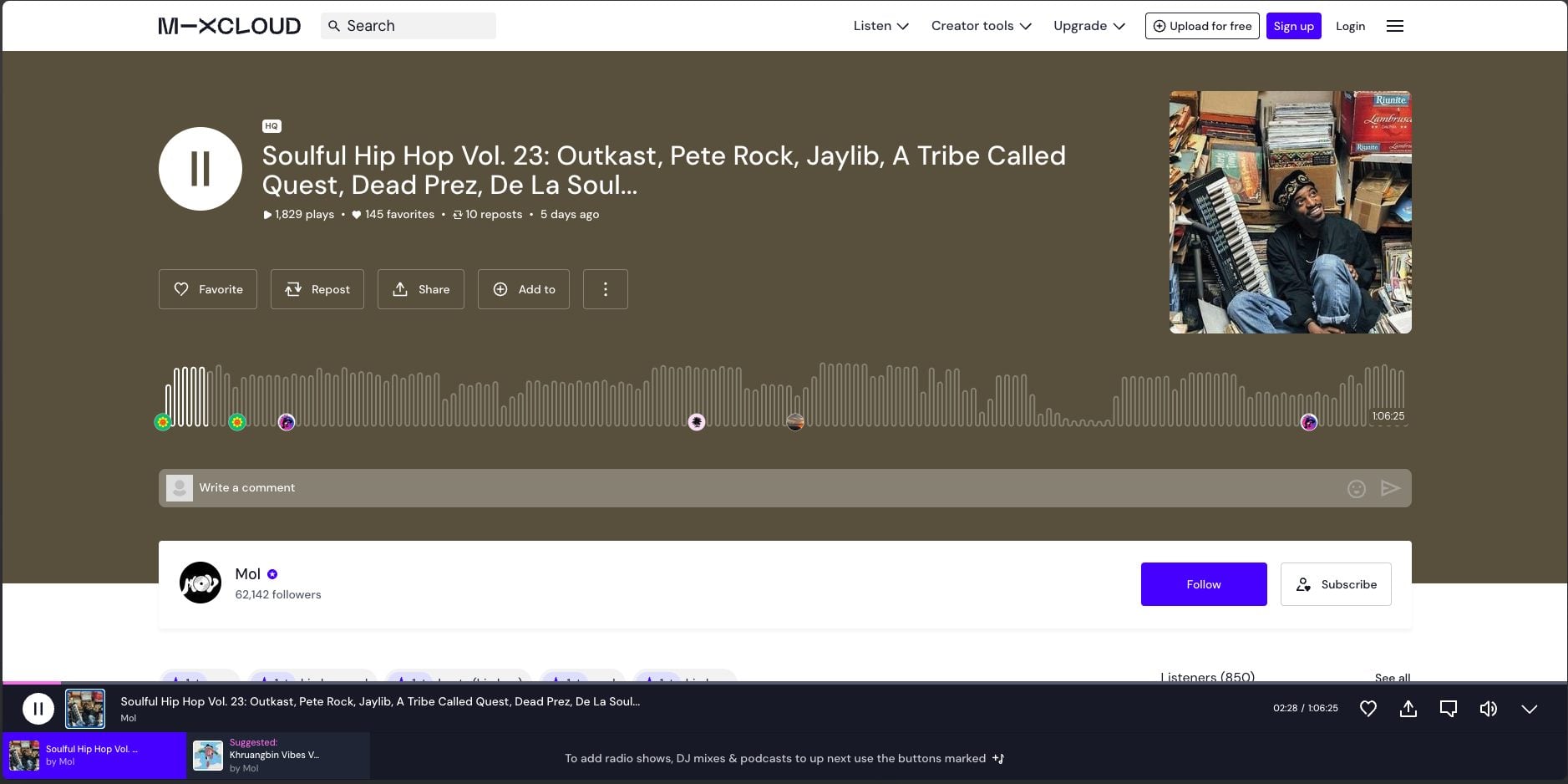
Like Soundcloud, listening on Mixcloud is free, but punctuated by advertisements. However, you can do without it with a monthly subscription which will also allow you to listen to content offline.
👉🏻 Follow tech news in real time: add 01net to your sources on Google, and subscribe to our WhatsApp channel.