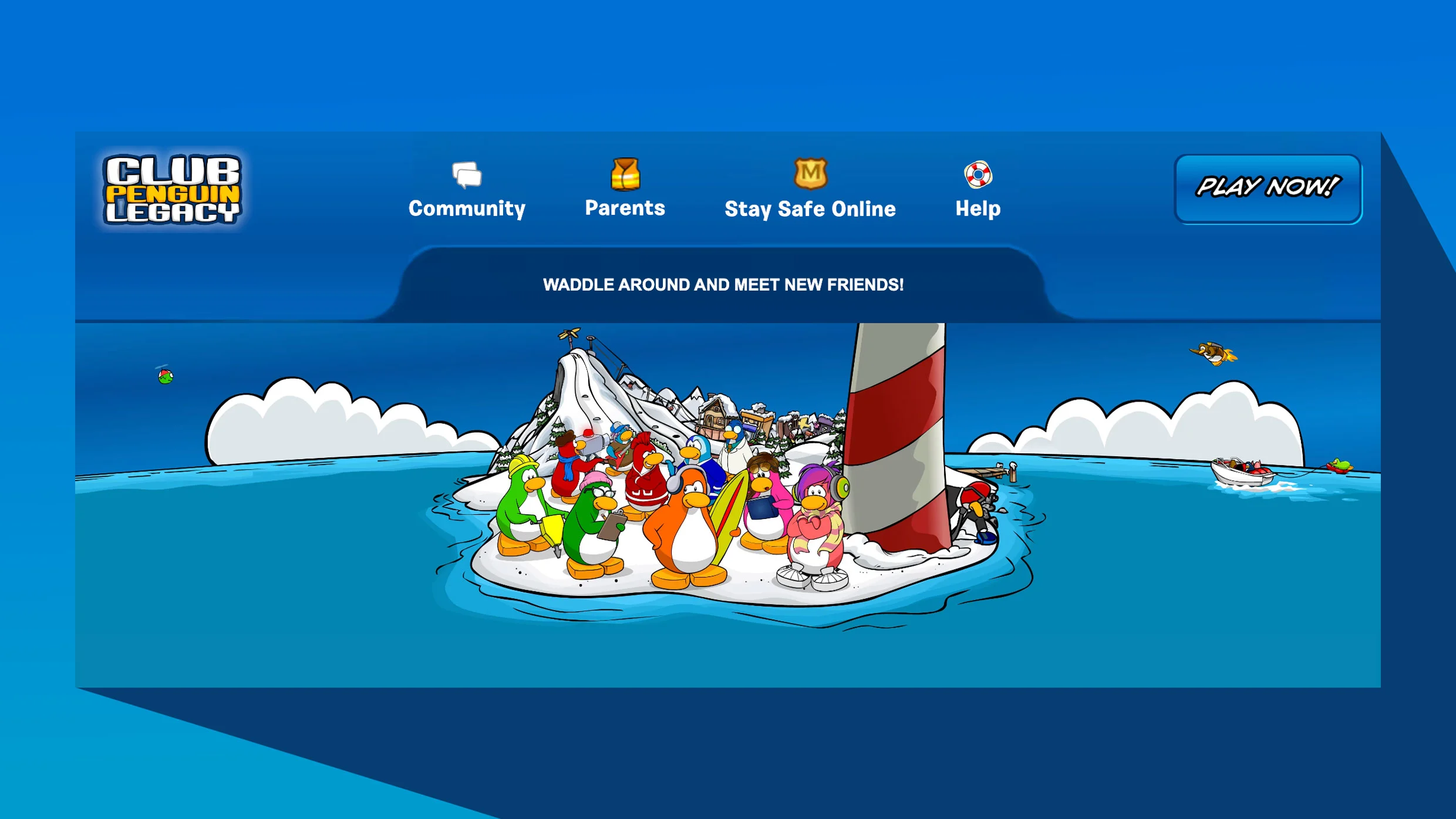
For many tweens of the 2000s, Club Penguin was the place to be. Players created penguin avatars, dressed them up, and roamed a virtual world of igloos, ski lodges, and mini-games. There were puffles, Tamagotchi-like pets to care for, and bustling servers where you could chat with friends, surf through a mine, or lob a virtual snowball at a stranger. At its peak, the game drew hundreds of millions of users and offered an early taste of social media for a generation of kids.
Disaster struck in 2017, when Disney, which owned the platform, shut it down, citing declining popularity and falling revenue. The company pointed users to a new game, Club Penguin Islandbut that, too, was discontinued soon after. Since then, several attempts have been made to revive the Antarctic metaverse. Club Penguin Online was eventually overrun with racist and antisemitic content, while the unsanctioned Club Penguin Rewritten surged during the pandemic before being taken offline, leading to arrests in London.
Still, Club Penguin hasn’t disappeared. A volunteer team of coders and moderators now runs Club Penguin Legacywhich has been online for more than four years. Fast Company spoke with two members of that team, who say they’re focused on preserving both the nostalgia and the safety-first moderation that defined the original. Today, their labor of love supports roughly a million users.
“We want to honor what made the game so meaningful when we were growing up playing it. So, you know, trying to honor how the game felt, how people interacted, and the community that it created,” Karalyn, a director and developer for Club Penguin Legacytells Fast Company. “We’ve always been adding new events, parties, and other content.”
This interview has been edited for length and clarity.
How did you get into this?
Caroline: I joined the team back in January of 2023; I was the director for the game in 2024 and 2025. I have a degree in electrical engineering, but do software engineering as my main goal.