By using this site, you agree to the Privacy Policy and Terms of Use.
Accept
World of SoftwareWorld of SoftwareWorld of Software
  • News
  • Software
  • Mobile
  • Computing
  • Gaming
  • Videos
  • More
    • Gadget
    • Web Stories
    • Trending
    • Press Release
Search
  • Privacy
  • Terms
  • Advertise
  • Contact
Copyright © All Rights Reserved. World of Software.
Reading: Educational Byte: What Is a Sybil Attack in Crypto Networks? | HackerNoon
Share
Sign In
Notification Show More
Font ResizerAa
World of SoftwareWorld of Software
Font ResizerAa
  • Software
  • Mobile
  • Computing
  • Gadget
  • Gaming
  • Videos
Search
  • News
  • Software
  • Mobile
  • Computing
  • Gaming
  • Videos
  • More
    • Gadget
    • Web Stories
    • Trending
    • Press Release
Have an existing account? Sign In
Follow US
  • Privacy
  • Terms
  • Advertise
  • Contact
Copyright © All Rights Reserved. World of Software.
World of Software > Computing > Educational Byte: What Is a Sybil Attack in Crypto Networks? | HackerNoon
Computing

Educational Byte: What Is a Sybil Attack in Crypto Networks? | HackerNoon

News Room
Last updated: 2026/04/11 at 9:26 AM
News Room Published 11 April 2026
Share
Educational Byte: What Is a Sybil Attack in Crypto Networks? | HackerNoon
SHARE

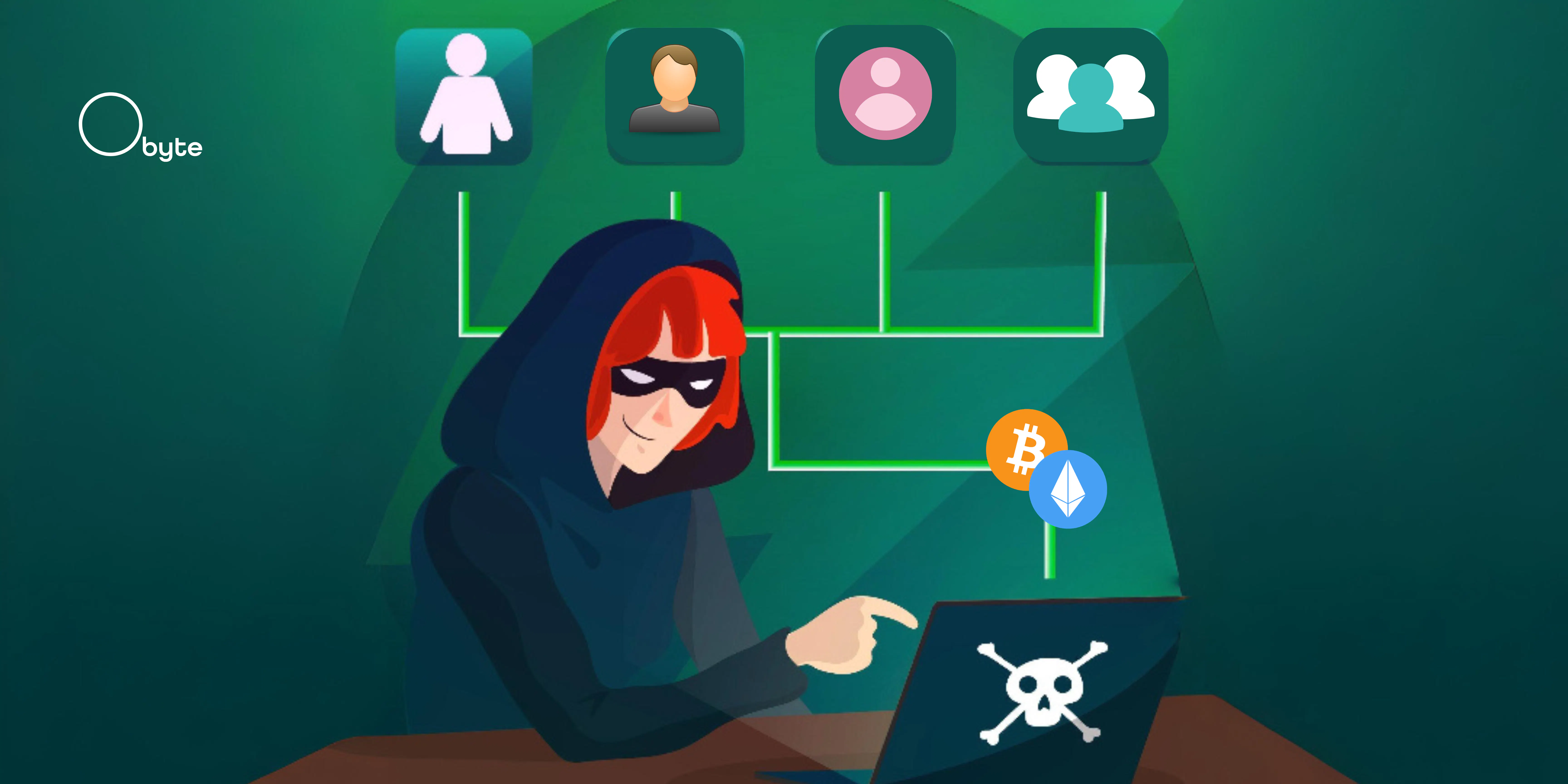
Unlike banks, crypto networks run without a central boss and without access requirements. Anyone with a device and Internet can create their own wallet in minutes. They can also participate as “block producers” (miner, “validator,” or equivalent) without sharing their identity. Crypto is pseudonymous and open… and that, without proper protection, could cause bad things like a Sybil attack.

The term and the mechanism existed well before cryptocurrencies, since it applies to reputation systems and peer-to-peer (P2P) networks. It happens when one person or group creates many fake identities (or accounts) and joins the network over and over again, pretending to be a crowd. If the network counts each “identity” as separate, that single actor can gain influence far beyond what one participant should have.

In a space like crypto, where community participation is key, this could be critical.

Why Sybil Attacks Matter in Crypto

Cryptocurrency networks pride themselves on being decentralized, to one degree or another. This means that decision-making is distributed and the system isn’t under the absolute control of anyone. No single entity is supposed to control what everyone else sees or decides, but a Sybil attack tries to bend that rule by multiplying one voice into many.

By using those fake identities or malicious nodes (computers), an attacker could, for instance, connect with honest nodes and feed them fake information, like a manipulated view of network activity. This could lead to delays, disruptions, and transaction censorship. If they control the data a target sees, they may control their decisions.

Another big concern is distorting the on-chain voting processes that many networks have in place. In this governance system, token holders or network participants vote on important updates, rules, or changes to the network by submitting their votes through transactions on the chain. If voting power is tied to the number of accounts, an attacker can create hundreds and cast many votes. One entity ends up looking like a large community to manipulate the results.

Now, the real problem isn’t that someone can create many accounts or wallets (in crypto, they can), but how much power those accounts have. There are measures to prevent these bad scenarios.

How Crypto Networks Defend Against Sybil Attacks

The short answer is economic: creating new “identities” is cheap, but gaining power is not. In Proof-of-Work (PoW) networks like Bitcoin, miners must give computing power and energy to participate. That costs money. A common wallet address isn’t enough. You’d need to control most of the miner nodes for the attack to provide control over the network, and that’s pretty expensive. According to Crypto51, it may cost around $1.4 million… per hour.

On the other hand, Proof-of-Stake (PoS) networks like Ethereum don’t have mining, but their block producers or “validators” must stake their own funds to participate. The more stake committed, the greater the influence; and also, the greater the punishment if they misbehave. All their staked funds could be taken away, so “average” wallet addresses aren’t enough to carry out an attack either.

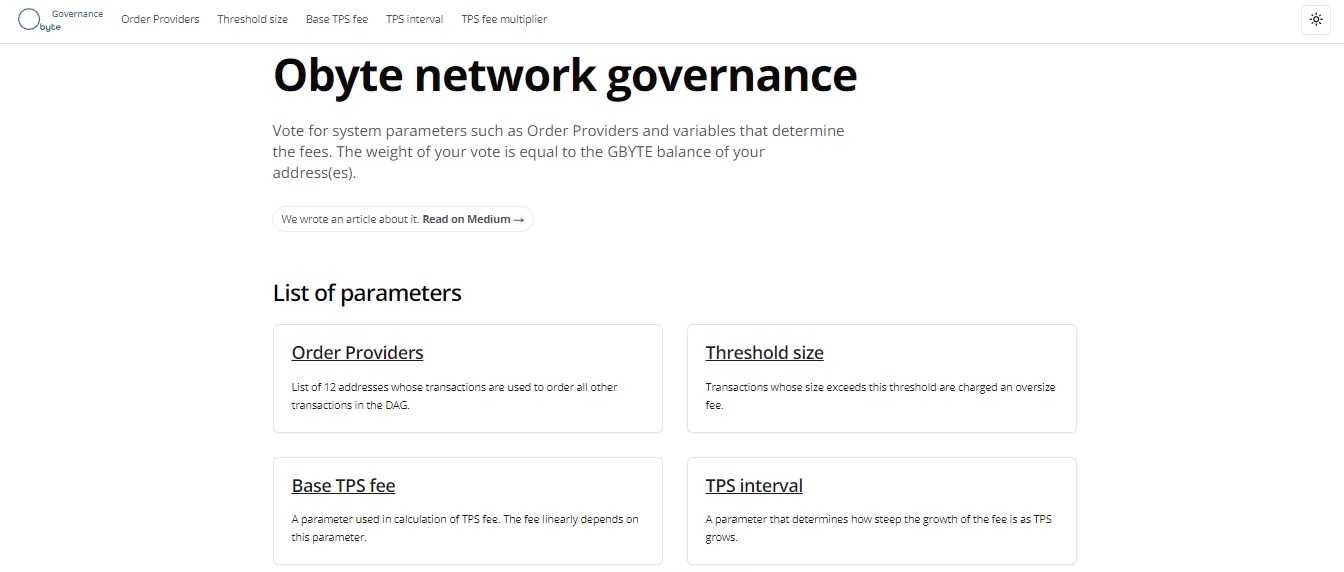
Now, in a DAG system like Obyte, where there are no miners or “validators,” there are still economic costs. To start, users “approve” their own transactions, so no one can block or censor them. To avoid further manipulation, the ecosystem has an on-chain governance mechanism in which voting power depends on GBYTE holdings.
As we can see, it’s still possible for crypto networks to apply their own guardrails without losing their openness. It’s important to check how every network protects itself against this type of attack, though.


Featured Vector Image by Freepik

Sign Up For Daily Newsletter

Be keep up! Get the latest breaking news delivered straight to your inbox.
By signing up, you agree to our Terms of Use and acknowledge the data practices in our Privacy Policy. You may unsubscribe at any time.
Share This Article
Facebook Twitter Email Print
Share
What do you think?
Love0
Sad0
Happy0
Sleepy0
Angry0
Dead0
Wink0
Previous Article State Laws Against Surveillance and License Plate Cams: What Works Best for Your Privacy State Laws Against Surveillance and License Plate Cams: What Works Best for Your Privacy
Next Article NewGen Depot Announces Structured Interior and Exterior Building Materials Catalog and Expanded NewGen Depot Announces Structured Interior and Exterior Building Materials Catalog and Expanded
Leave a comment

Leave a Reply Cancel reply

Your email address will not be published. Required fields are marked *

Stay Connected

248.1k Like
69.1k Follow
134k Pin
54.3k Follow

Latest News

This Suicide Prevention Algorithm for Military Veterans Appears to be Favoring This Specific Group | HackerNoon
Computing
T-Mobile is offering two lines for the price of one in a new BOGO deal
News
Apple Highlights Photos Shot on iPhone During NASA’s Mission to Moon
News
Moonton to launch Mobile Legends: Bang Bang in China on January 23 · TechNode
Computing

You Might also Like

This Suicide Prevention Algorithm for Military Veterans Appears to be Favoring This Specific Group | HackerNoon
Computing

This Suicide Prevention Algorithm for Military Veterans Appears to be Favoring This Specific Group | HackerNoon

8 Min Read
Moonton to launch Mobile Legends: Bang Bang in China on January 23 · TechNode
Computing

Moonton to launch Mobile Legends: Bang Bang in China on January 23 · TechNode

1 Min Read
Riding the rails — over a floating bridge: GeekWire Podcast takes the train across the lake to Microsoft
Computing

Riding the rails — over a floating bridge: GeekWire Podcast takes the train across the lake to Microsoft

3 Min Read
WeChat removed from US’s so-called notorious markets’ list · TechNode
Computing

WeChat removed from US’s so-called notorious markets’ list · TechNode

1 Min Read
//

World of Software is your one-stop website for the latest tech news and updates, follow us now to get the news that matters to you.

Quick Link

  • Privacy Policy
  • Terms of use
  • Advertise
  • Contact

Topics

  • Computing
  • Software
  • Press Release
  • Trending

Sign Up for Our Newsletter

Subscribe to our newsletter to get our newest articles instantly!

World of SoftwareWorld of Software
Follow US
Copyright © All Rights Reserved. World of Software.
Welcome Back!

Sign in to your account

Lost your password?