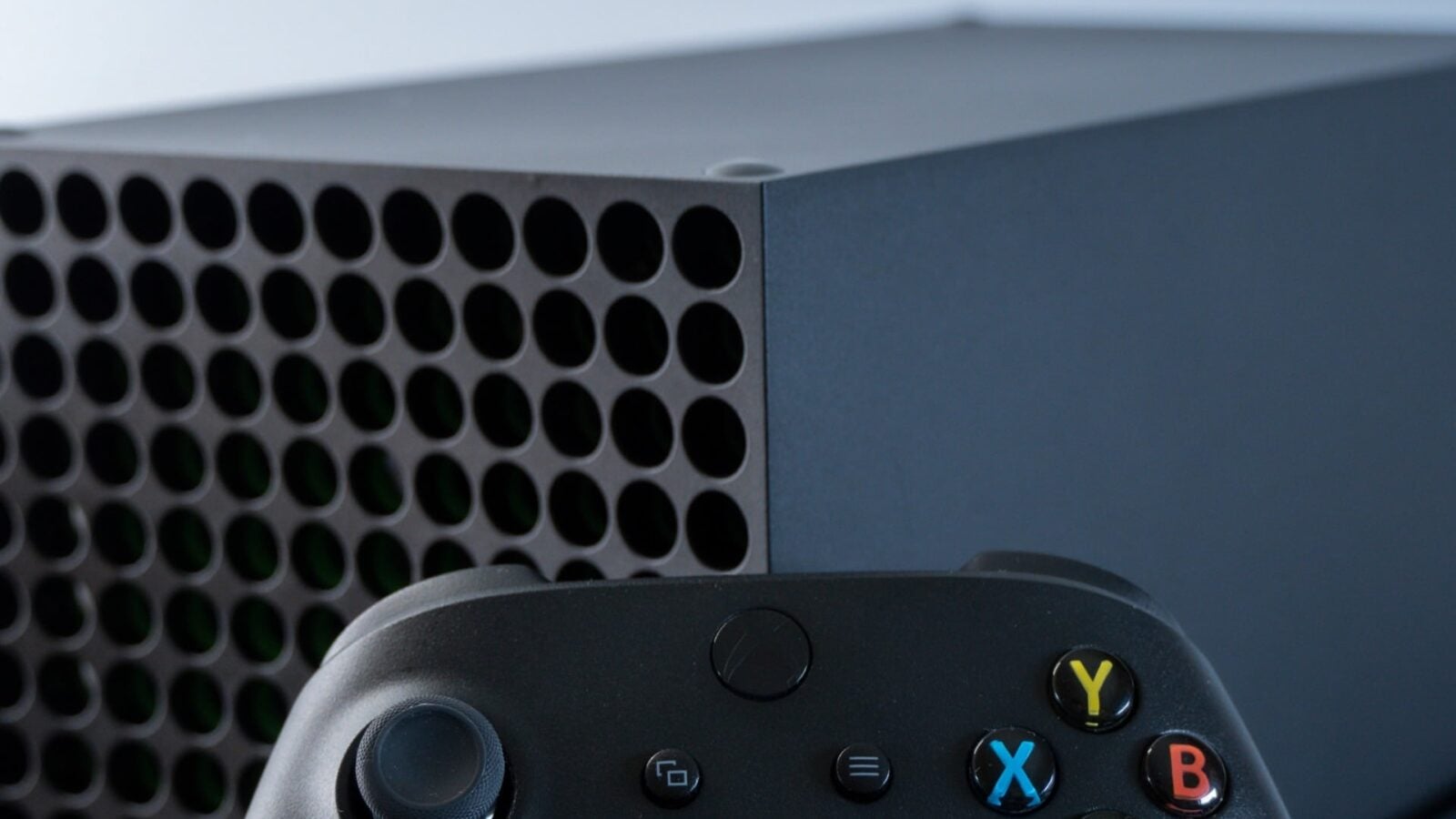
Paying your subscription and watching advertisements between two games: the new Xbox strategist sees this as a way to keep prices low. Subscribers will appreciate the delicacy.
Matthew Ball was quick to set the tone. Newly appointed director of strategy for Microsoft Gaming, the author of the reference book on the metaverse spoke at the microphone of The Game Business Live on June 8, the idea of introducing advertising into games in order to “maintain affordable products”. A little sentence that was enough to make the players cough.
Claims to avoid increases, really?
The person concerned immediately rounded the corners, ensuring that “the question is not whether we can stuff advertising everywhere”and specifying that he was not aware of Microsoft’s monetization plans. Nothing of a set plan, therefore, more of a reflection out loud. But when it comes out of the mouth of the chief strategist, a long-time supporter of the advertising model in video games, the reflection is relevant.
Especially since the slope is already well underway for subscribers. The Game Pass has had a series of price increases, and the Ultimate formula peaked at 26.99 euros per month in France, before Asha Sharma announced a discount to 20.99 euros per month upon her induction. Players have already checked out several times, and the industry has tested the long-standing advertising waters, from billboards slipped into open worlds to free games hyped up on the fly. All that was missing was a massive economic argument to transform the temptation into a strategy. It exists, and it comes from streaming.
Netflix showed the way, and it’s paved with billions
Launched at the end of 2022 under the whistles, Netflix’s advertising-supported subscription has become the best deal in the sector. The offer claims today 250 million active spectators per month worldwide, including 12 million in France. The cash machine follows: approximately $1.5 billion advertising revenue in 2025, twice as much as the previous year, with a target set at 3 billion this year and around 9 billion by 2030. The recipe is clear: the cheapest package attracts the crowds, and the advertiser makes up the difference. Disney+ and Prime Video have also followed the movement without qualms.
Seen from Redmond, the parallel is enough to make the eyes shine. The development costs of large productions are soaring, Game Pass must prove its profitability, and video games offer what every advertiser dreams of: a captive, concentrated audience who stays for hours in front of the screen. If advertising finances streaming without driving away subscribers, why not the game? Nothing has been decided, and Microsoft has not confirmed any plans in this direction. But for the French player, the equation now comes down to a choice known in advance: either the bill climbs further, or advertising arises between two parties.
👉🏻 Follow tech news in real time: add 01net to your sources on Google, and subscribe to our WhatsApp channel.
Source :
The Game Business