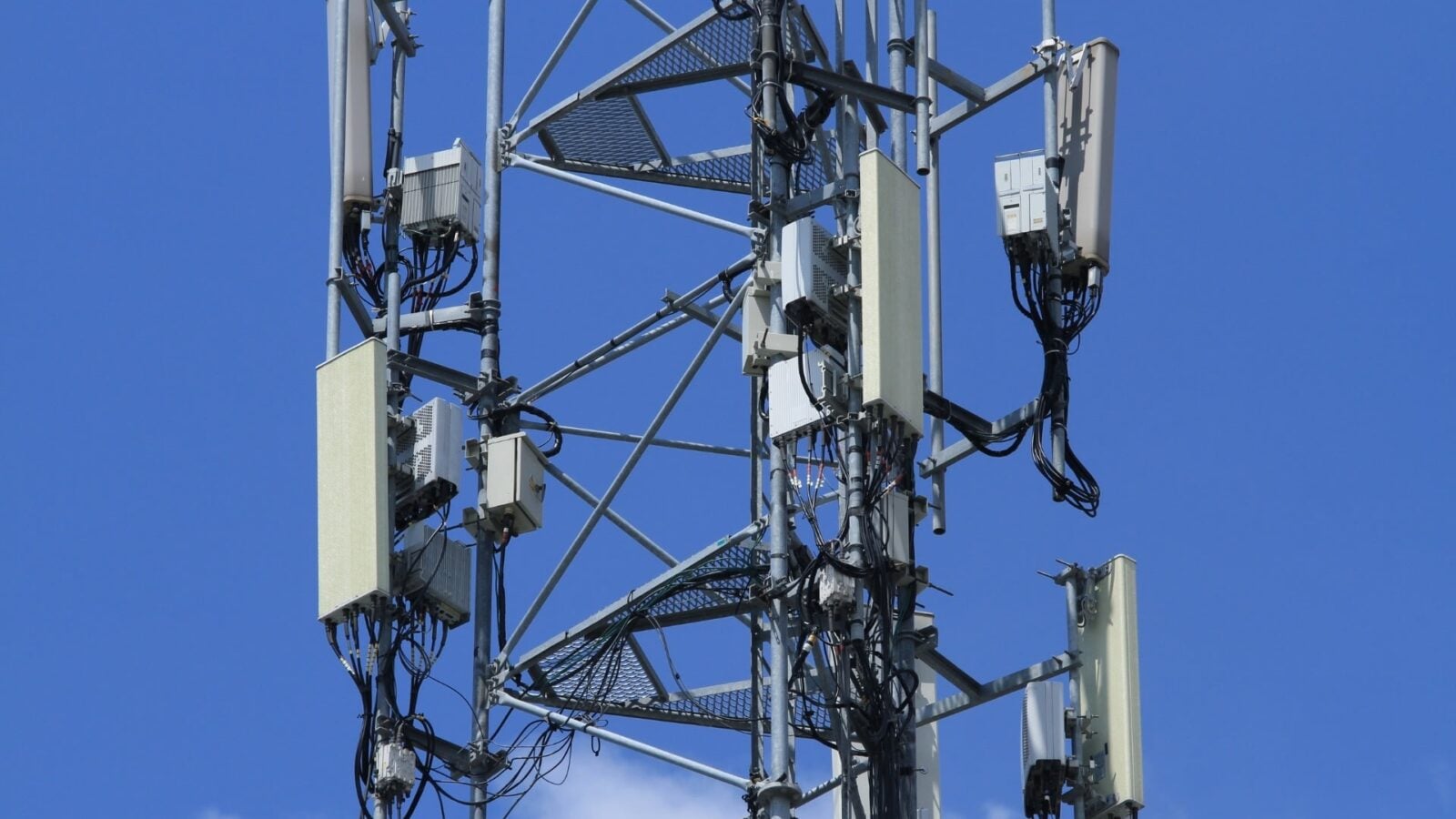
On April 28, 2025, the Spanish relay antennas held until their batteries ran out, then the network gave up. Madrid has just decided that it will not happen again. Paris has not decided anything at all.
The Spanish government announced the June 25, 2026 a future royal decree requiring telecom operators to maintain mobile coverage for at least four hours in the event of a power outage. The measure targets infrastructure operators and managers serving more than 500,000 users or with a turnover of more than €50 million per year. It must be included in a text adopted before the end of the year.
A three-year plan, three levels, and armored control centers
The obligation will be rolled out gradually: 50% of the population Spanish covered the first year, 65% the second, 75% by the third. Operators will be able to respond with batteries or other emergency power systems installed directly on the cell towers. The effort is not limited to the antennas: the intermediate network management centers will have to keep 12 hours without electricity, and first-rate control centers whose failure could paralyze the entire country, 24 hours. Emergency call centers will also need to integrate backup communications channels into their resilience plans.
This three-level architecture directly draws lessons from the giant blackout of April 28, 2025, which deprived the entire Iberian Peninsula of electricity for a dozen hours. The relay antennas then operated until their reserves were exhausted, complicating emergency calls, blocking access to information and fragmenting rescue coordination. The final report by European experts commissioned by Brussels, published in March 2026, concluded that there were multiple causes, all linked to voltage regulation, and in no way to renewable production despite the narratives that circulated in the aftermath of the blackout.
And in France, where are we?
In France, no comparable obligation exists to date. Orange itself recognizes, in its public documentation, that a power outage of more than 20 minutes may be enough to bring down mobile service, even on its network, even though it is one of the few to have backup batteries on its antennas. The other French operators have not communicated a similar commitment. ARCEP identified this point in its note on network resilience published in May 2025: the dependence of mobile antennas on electrical power constitutes an area for improvement, but without quantified obligations having followed.
The NIS2 directive imposes many resilience requirements on operators of essential services, including telecoms. But the French transposition did not set an electrical autonomy threshold for relay antennas. Spain has just proven that a decree can go much further, much faster, when a complete collapse of the network left millions of people without the possibility of calling for help for several hours. France did not have its April 28, 2025. The question is whether it is waiting to have one.
👉🏻 Follow tech news in real time: add 01net to your sources on Google, and subscribe to our WhatsApp channel.