

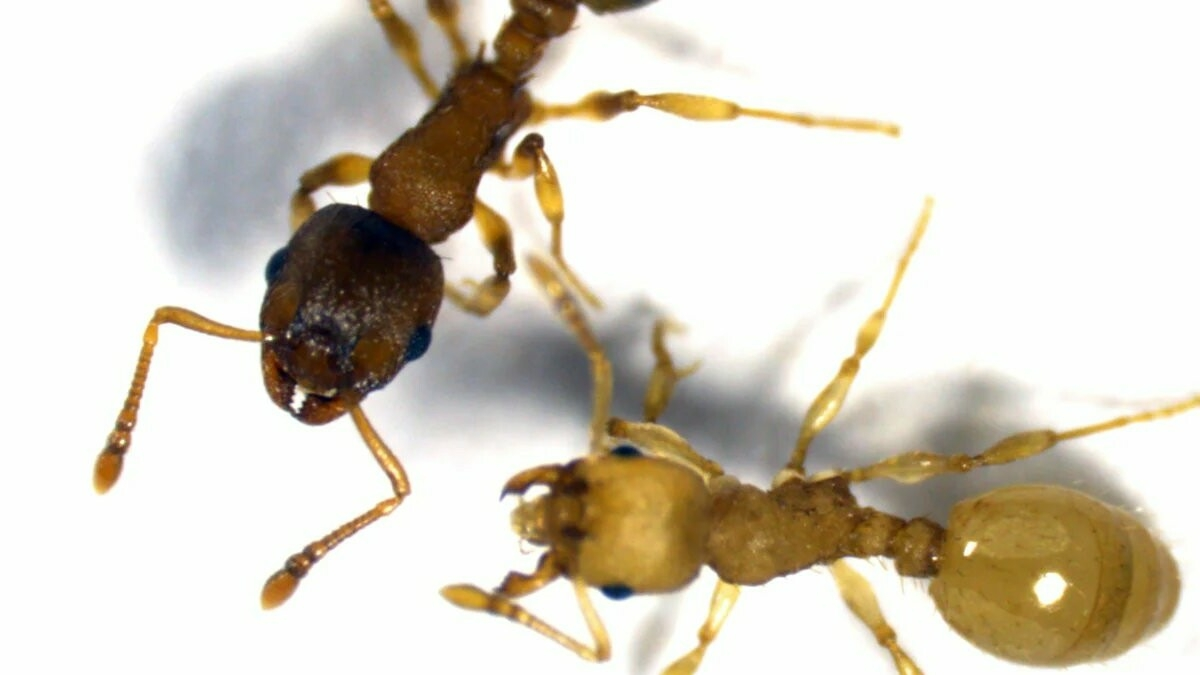
It’s a science fiction scenario that plays out on a microscopic scale in the heart of the forests. Biologists have just deciphered how the tapeworm Anomotaenia brevis intimately manipulates the biology of the species Temnothorax nylanderi. By ingesting contaminated bird droppings, simple workers see their destiny rewritten. They stop all activity, adopt a yellowish color and are pampered by the rest of the colony. Meanwhile, the stowaway waits patiently that a predator comes to swallow its sleeping prey.
Why do these infected insects live much longer?
The heart of this incredible metamorphosis takes place in the abdomen. Biologists analyzed the fatty tissues of ants to understand this phenomenon. This is where the genetic miracle takes place. Genes linked to stress and aging suddenly align with those of a matriarch.
Affected specimens benefit from a longevity unusual for their caste. A healthy worker generally dies after one or two years. The parasitized insect can hope to survive for decades. This is fascinating from an evolutionary perspective. The internal squatter does not create any magic serum to achieve his ends. He is content to hijack biological programs already present in the body of its victim.
How does the parasite destroy its victim’s work instinct?
The story takes a much darker turn when we observe the neurological activity. If the body benefits from a metabolism fit for a queen, the brain undergoes a chemical breakdown. Neuropeptides (the molecules regulating social behavior and activity) are violently deactivated by the worm. THE nerve receptors are cut one by one.
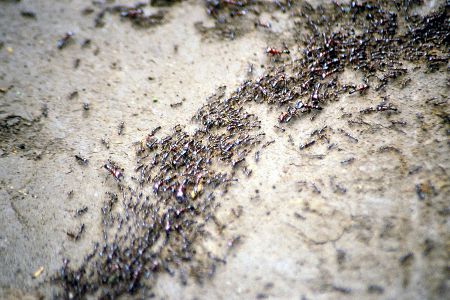
The workers then become imposing amorphous rags at the bottom of the nest. They ignore their usual tasks and refuse to forage for food. The ingenuity of this hack is absolutely astonishing. An immobile and fat target in fact becomes the ideal snack for a spotted woodpecker. The bird represents the final obligatory step so that the tapeworm can lay its eggs and complete its deadly cycle.
Frequently Asked Questions (FAQ)
What is the final goal of this manipulation?
The parasite absolutely needs to reach the digestive system of a spotted woodpecker to become an adult. Making its prey amorphous and appetizing guarantees its rapid consumption by the predatory bird.
Does the worm inject toxins into its host’s brain?
Absolutely not. Genomic analysis reveals that the intruder alters natural gene expression without producing its own chemical mimics. It simply uses the victim’s resources against themselves.


