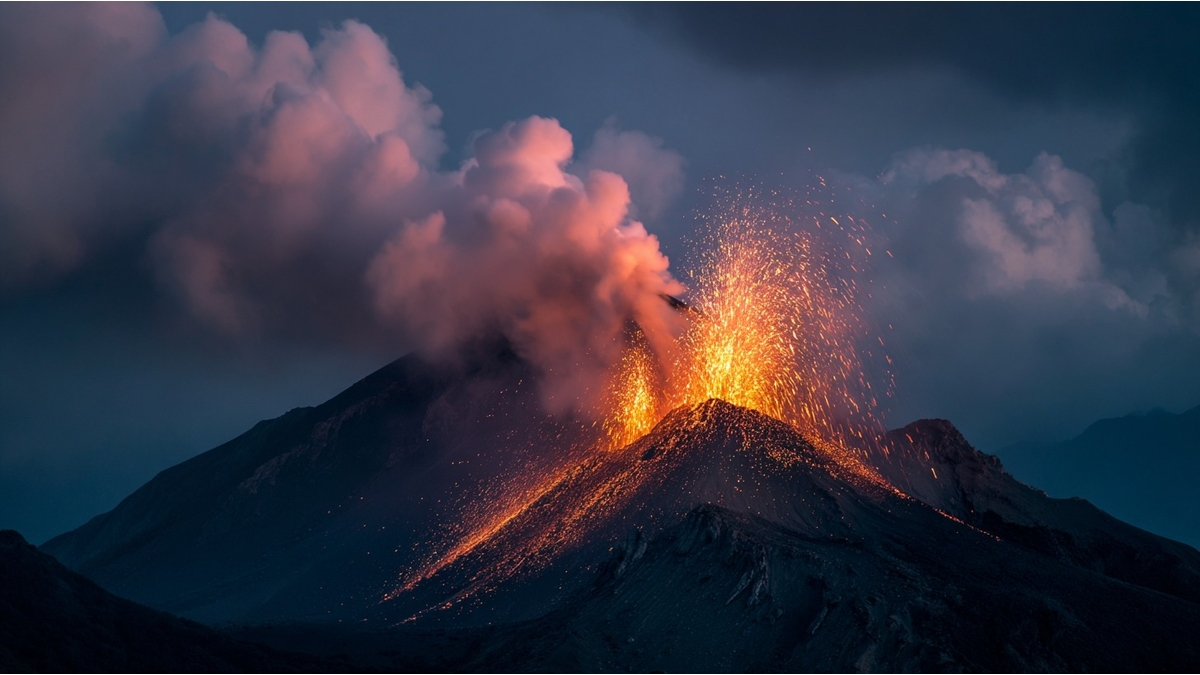
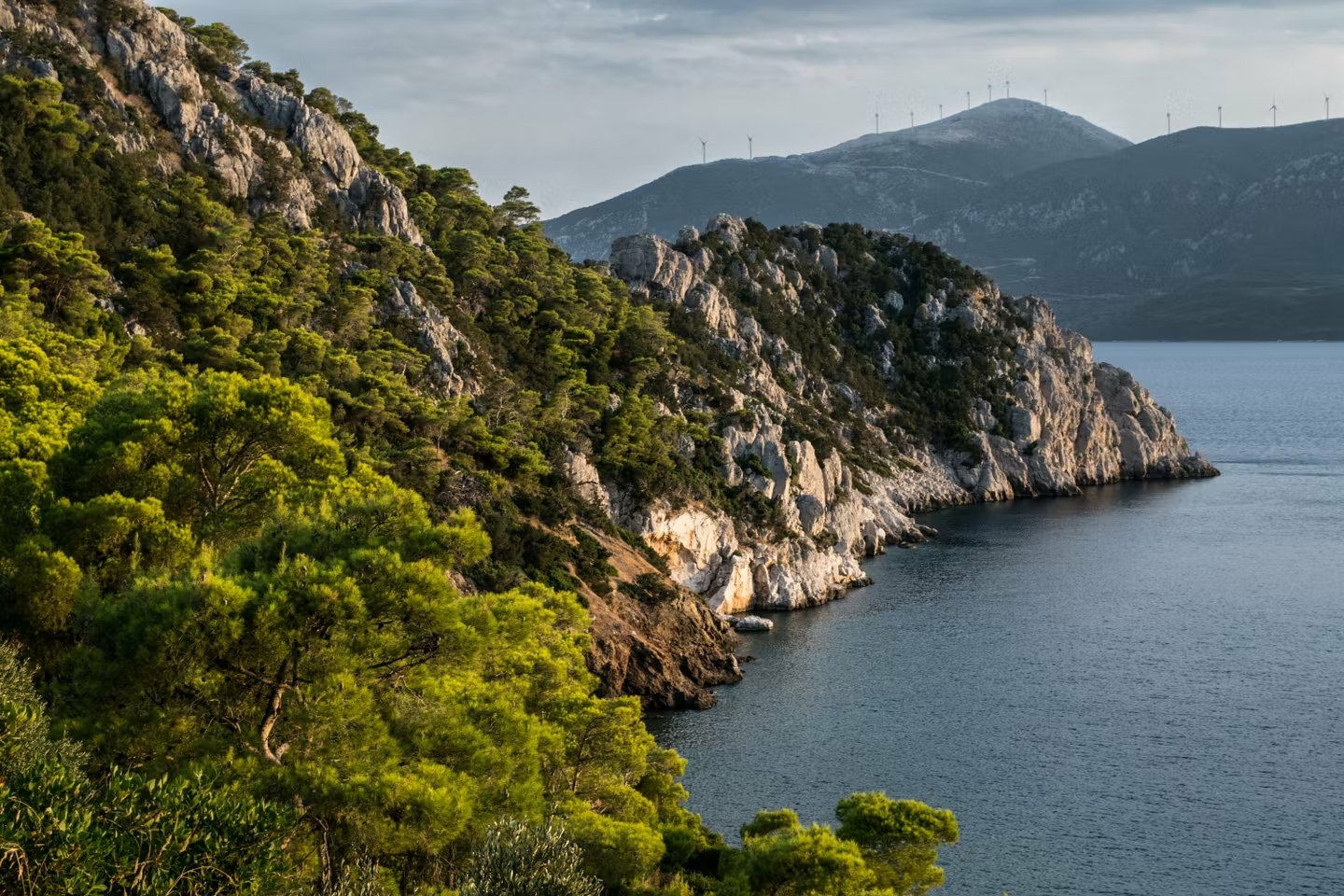
A study conducted by theZurich Polytechnic on the volcan Methana in Greece reveals that a dormant period of over 100,000 years old does not mean its extinction.
By studying this sleeping giant, researchers have uncovered a counterintuitive reality: silence on the surface, even over tens of millennia, absolutely does not guarantee the end of history.
The analysis of zircon crystals proved that intense magmatic activity continued underground during this long silence. This discovery requires a reassessment of the potential danger of many volcanoes considered harmless around the world.
How did scientists unlock the secret of this long sleep?
The answer lies in microscopic geological “black boxes.” To go back in time nearly 700,000 years, researchers analyzed more than 1,250 crystals of zirconan almost indestructible mineral.
These crystals form when magma cools and trap crucial information about their age and the conditions in which they were born, providing valuable insight into underground activity.
The result of this large-scale dating is striking. The analyzes revealed that the peak growth of zircon crystals took place precisely during the period of absolute calm on the surface, more than 100,000 years without the slightest eruption.
This intense crystallization is the irrefutable sign that, under the earth’s crust, the magmatic system was particularly dynamic.
Why doesn’t this accumulated magma come out to the surface?
The culprit of this blockage is an unexpected ingredient: water. The Methana volcano is located above a zone de subduction (process where one tectonic plate dives under another), which generates a magma called “superhydrated”, that is to say exceptionally rich in water.
As you rise towards the surface, the pressure decreases. The dissolved water then transforms into bubbles, a bit like in a “ soft drink » that we shake. This brutal degassing causes rapid crystallization, making the magma much thicker and viscous.
It becomes “lazy”, its ascent speed drops drastically, and it remains trapped in immense underground reservoirs. This phenomenon explains how massive accumulation can occur silently, without betraying its presence by eruption.
What is the real implication for our security?
This discovery radically changes the situation for volcanic risk assessment. Dozens of structures around the world, notably in Italy, Indonesia and Japan, are considered inactive because they have been silent for millennia.
The study of Methana proves that this tranquility is perhaps only a facade. A volcano can “breathe” underground and store considerable energy. We must now reassess the threat posed by these forgotten giants, especially if they show discreet signs of magmatic agitation, such as micro-earthquakes or swelling of the ground.
This study strongly reminds us of a lesson in humility: on the scale of geological time, our memory is short and our definition of security perhaps needs to be reviewed. A silent neighbor is not necessarily a harmless neighbor.