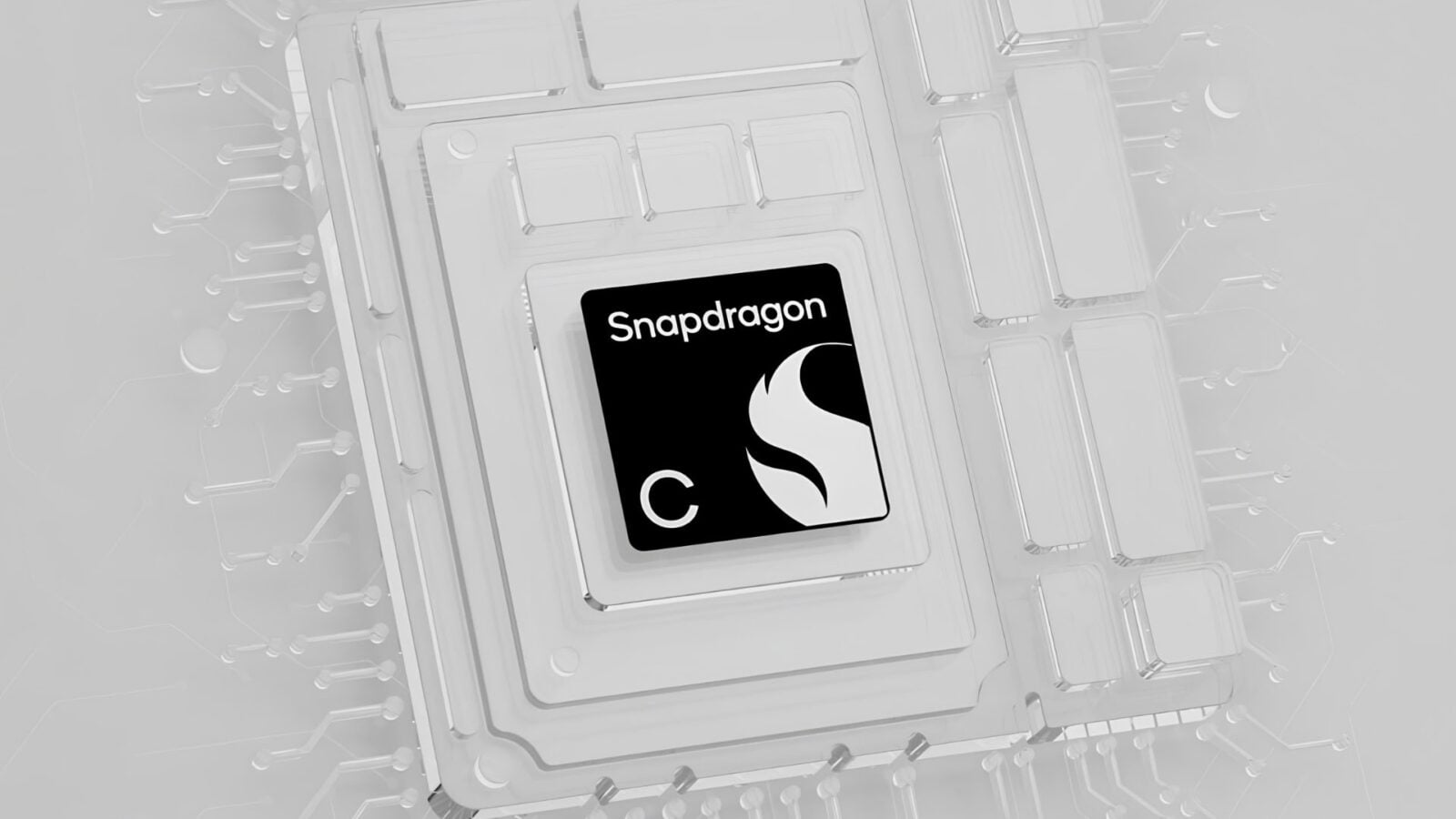
The chipmaker is launching the Snapdragon C, an entry-level ARM chip for really cheap Windows laptops. The problem is that memory has never been more expensive.
For years, the cheap Windows laptop has been synonymous with slowness, noisy fans and regrets. Qualcomm thinks it has found the magic formula with its new Snapdragon C chip (the “C” for Compute, just to mark the territory), announced on May 28, 2026 on the eve of Computex in Taipei. The promise is tempting: laptops starting at $300, silent, autonomous all day long, and capable of running Windows 11 without turning each click into an exercise in patience.
An ARM chip at an assumed discount
To achieve this price, Qualcomm made choices. The Snapdragon C does not use the in-house Oryon cores that equip the high-end Snapdragon X, but Kryo cores from mobile architecture (that of smartphones, to put it simply). The chip ships well an NPU for local artificial intelligencebut it is not powerful enough to obtain the Copilot+ label from Microsoft. The AI will therefore be present, but restricted. On the precise specifications (number of cores, frequencies, GPU), Qualcomm remains silent until its Computex keynote on June 2.
Acer has already released a first model: the Aspire Go 15 (AG15-Q31P, a name as memorable as an automatically generated Wi-Fi password). The machine displays a 15.6-inch screen, up to 8 GB of RAM, 512 GB of storage and Wi-Fi 6E. HP and Lenovo will follow “later in 2026”. The targets are explicit: students, families, small businesses.
With the shortage of memory, the $300 mark promised by Qualcomm seems difficult to maintain, especially if manufacturers want to offer configurations with 16 GB of RAM (almost essential for smooth use under Windows 11). Apple’s MacBook Neo, launched at $599 in the United States (699 euros in France), remains the benchmark to beat in this ARM segment. Qualcomm uses the same recipe as Apple (recycling a mobile architecture to reduce prices), but without the vertical control over the hardware and software that is Cupertino’s strength.
A risky bet, but not absurd
Windows on ARM at entry level has a painful history. The 2012 Surface RT (Windows RT, for those nostalgic) ended in a resounding fiasco: $900 million in charges made by Microsoft on unsold items. Since then, x86 emulation has improved, native applications are increasing, and adoption is slowly growing. But the market remains wary.
Qualcomm’s bet is simple: if the user experience holds up (fluidity, autonomy, silence), consumers could accept some compromises on raw power. It remains to be seen whether manufacturers will manage to release $300 machines without cutting corners. The first tests, expected after Computex, will show whether the promise is better than the marketing.
👉🏻 Follow tech news in real time: add 01net to your sources on Google, and subscribe to our WhatsApp channel.