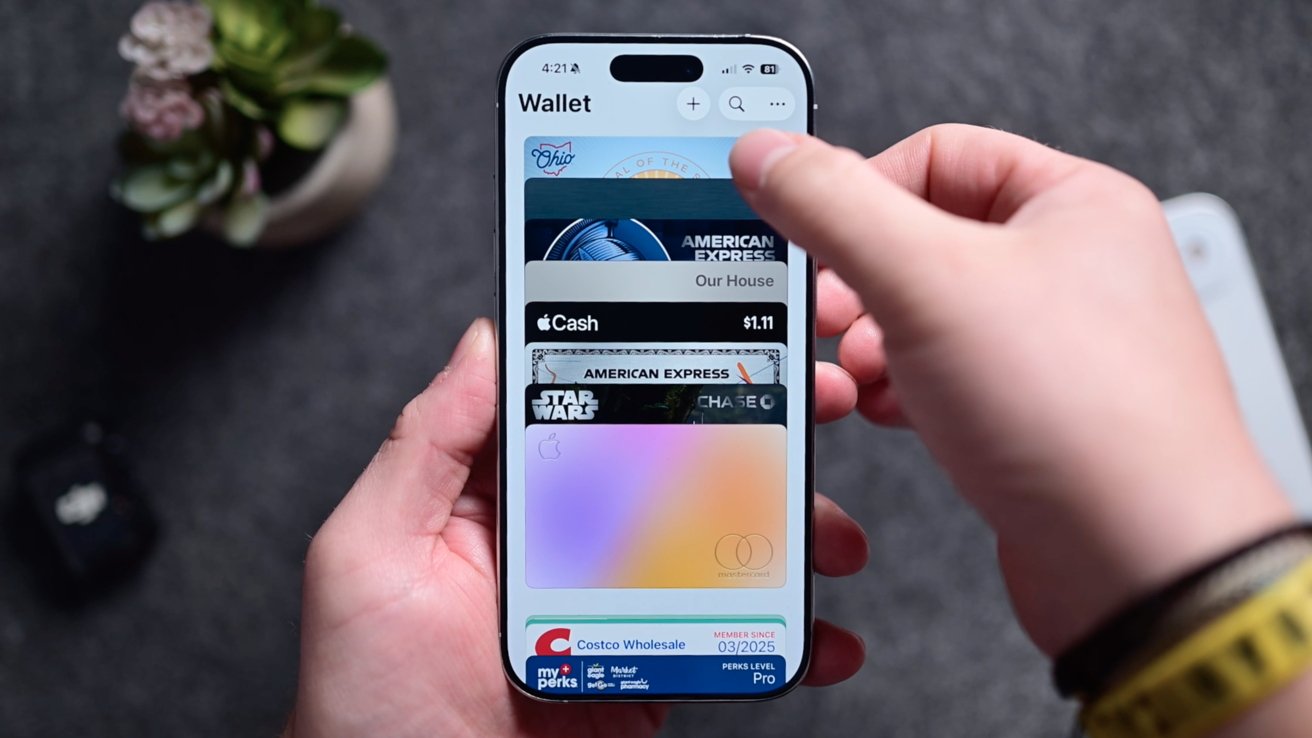
Apple Pay is a quick and safe way to make purchases in person and online, but a new type of scam may use your faith in the system to steal thousands of dollars from you.
That’s the warning from consumer advocacy outfit Consumer Affairs following a spate of Apple Pay-related scams. Fraudsters know that people trust Apple and the Apple Pay system, and they’re using that trust as the basis for their scams.
The goal, as ever, is to confuse people to such an extent that they can be convinced to hand over their money. How that happens can vary from scam to scam, but there’s one constant: Apple Pay.
While these scams aren’t new, they seem to be on the rise. Consumer Affairs reports that a scammer claimed to be an official investigator and convinced one woman to withdraw $15,000 as a result. A bank teller realized what was happening before it was too late.
Thankfully, there are some common-sense steps that you can follow to protect yourself and your money.
A familiar con
Fraudsters have long used technology as a way to try to part their marks from their hard-earned cash. This latest bout of Apple Pay scams is no different in that regard.
The process starts with an official-looking text message or email. Sometimes it claims to be from your bank or law enforcement. Othertimes, it claims to be from Apple itself, Consumer Affairs explains in its warning.
The story is usually a variation on a theme, regardless of the supposed sender. They claim that a purchase was attempted or declined, or that your account is locked or under some sort of investigation.
The message always tries to ratchet up the pressure by claiming that immediate action is required. It’s this perceived time criticality that often catches people off guard, causing them to do things they wouldn’t normally do.
Apple Pay is quick and easy to use [Image credit: Apple]
Such messages always include a phone number for you to call or a link for you to click. Then, you’re instructed to do something to protect your money. Ironically, that often includes sending it somewhere via Apple Pay.
Another favorite of scammers is to instruct an unsuspecting victim to buy gift cards, often for the Google Play Store. They then have the victim provide the codes for these cards, which, ultimately, wind up being sold on unscrupulous websites.
Whatever the method, the goal is to get you to take your money and give it to them under the pretence of safekeeping.
How to stay safe
While it may seem obvious that these emails and messages are scams right now, it’s also easy to see how people fall for them. Being caught off guard by someone saying your money is at risk is often enough. If not, the time pressure they apply usually is.
It’s important to remember that neither Apple nor your bank will ever ask you for passwords. They won’t ask you to move money to an account of their choosing, either.
The same goes for buying any kind of gift cards, too. Thankfully, retailers are often now trained to look for the signs that a customer may be buying cards to pay scammers.
It’s also vital not to click any links or call any numbers provided by these messages. If you want to check the legitimacy of these messages, contact Apple or your bank via their published methods only.
Finally, if you think that you may have been targeted by a scammer, contact your bank immediately. You can also report the incident to the authorities, including the FTC.