


It’s a small concession with potentially immense consequences. The Cupertino company, Appleconfirmed that it was working on a technical solution to allow third-party brand accessories to benefit from the same automatic pairing than its own products, like AirPods. This decision, far from being spontaneous, is the direct result of a request made by another tech giant, which skillfully relied on the new legislation in force to bend the Californian manufacturer.
Why is Apple forced to do this?
The heart of this matter lies in a powerful European regulations : the Digital Markets Act (DMA). This legislation aims to regulate tech giants to guarantee fairer competition in the digital market. It is precisely on this text that Meta based its request, filed in October, to demand equivalent treatment from Apple for its products, notably the Ray-Ban Meta connected glasses and the Quest mixed reality headset.
Currently, connecting a non-Apple product to an iPhone requires manual manipulation, whereas a simple connection is sufficient for an Apple product. The DMA requires companies designated as “gatekeepers” to offer their competitors the same gatekeeping functions.interoperability than those they reserve for their own services. Faced with this legal constraint and the colossal fines incurred, which can climb up to 10% of global turnover, the firm had no other choice but to comply.
How will this opening come to fruition?
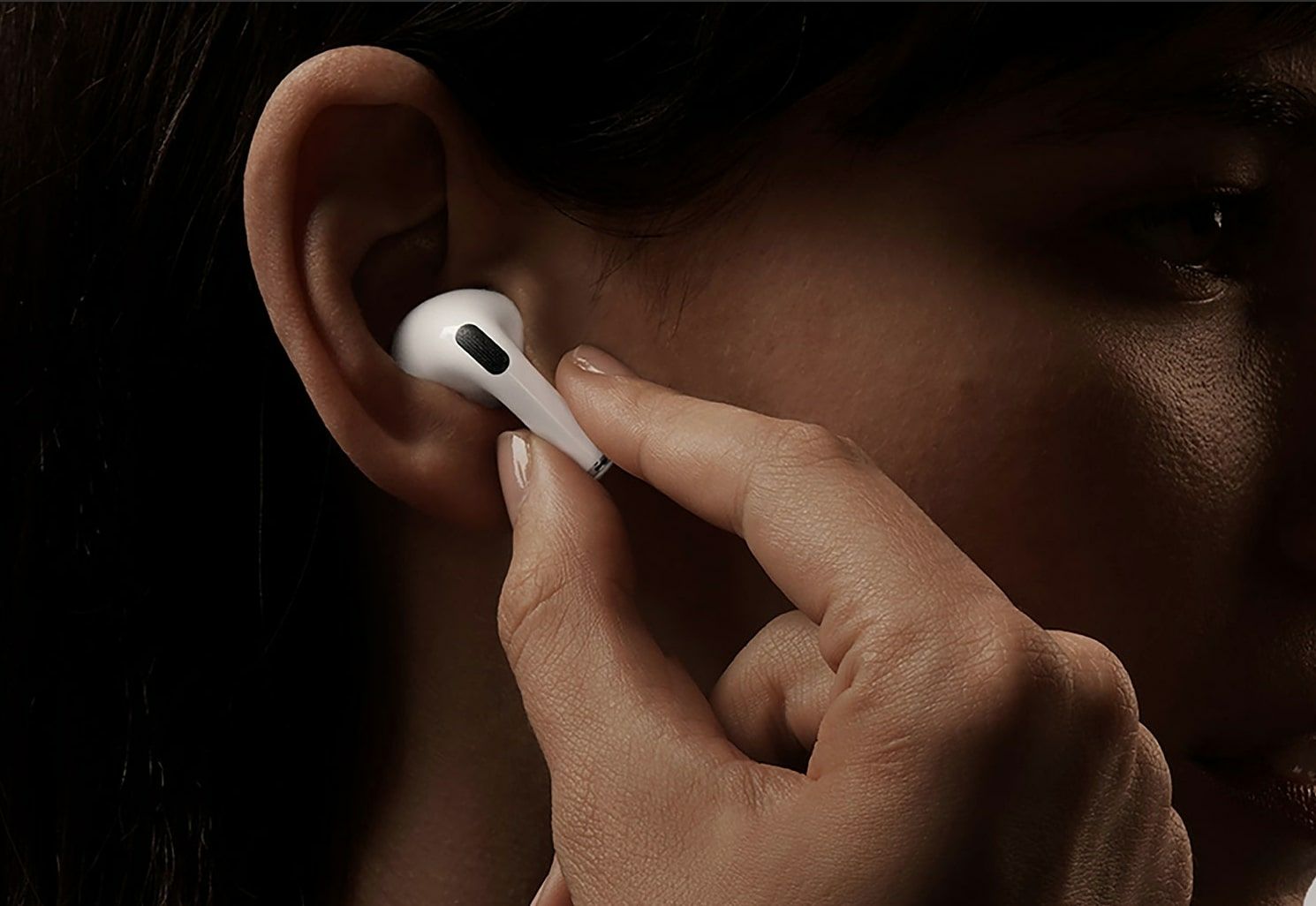
Apple announced the development of a new API (application programming interface) which will build on existing technologies AccessorySetupKit et Proximity Pairing. Concretely, once a user has paired a compatible accessory for the first time with their iPhone, this accessory will be automatically recognized by all other devices linked to their Apple account, such as an iPad or a Mac. Gone, therefore, is the need to repeat the process pairing on each device.
The timetable is already set: the development of this solution must be completed by spring 2027for a planned deployment “soon after”, probably via a software update like iOS 27.4. This opening will not only concern products of Meta. Bose headphones, Garmin watches or Samsung glasses could also benefit, making theuser experience much more fluid and homogeneous.
What points of friction remain?
If the decision is adopted, its terms are still debated. The main point of disagreement concerns the geographic scope of the measurement. For now, Apple intends to limit this new functionality to the territory ofEuropean Unionwhere the DMA applies. The parent company of Facebook, for its part, is calling for a global deployment so as not to have to manage two different connection systems for its products.
Another technical dispute pits the two companies against each other. Meta wants to be able to continue using the standard protocol Core Bluetoothwhile Apple imposes its solution based on AccessorySetupKit, which would require specific adaptations for the European market. For the moment, Apple has refused its competitor’s request on this point, but has clarified that an extension outside the EU remains “under study”. The file is in phase 3 of the process compliance and no dispute resolution mechanism has yet been triggered.


