The ongoing AI hype is causing a significant increase in energy requirements in the associated data centers. AI and infrastructure providers are working on various ways to satisfy the expected hunger for electricity.
Power supply and cooling secured
SpaceX and xAI boss Elon Musk, for example, wants to move AI data centers into space. The US startup Panthalassa, named after the huge ocean that surrounded the supercontinent Pangea around 300 million years ago, relies on the sea.
Editorial recommendations
${content}
${custom_anzeige-badge}
${custom_tr-badge}
${section}
${title}
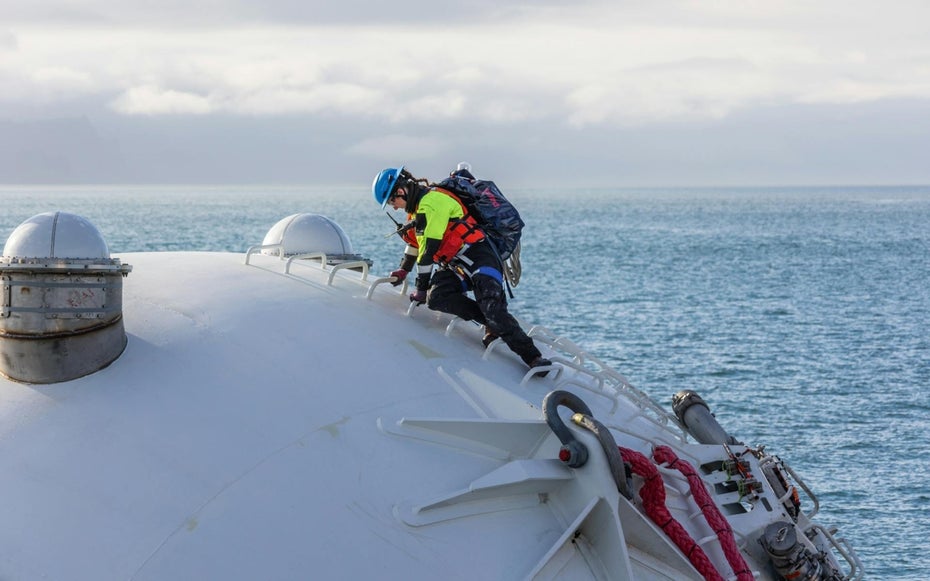
According to Panthalassa’s idea, giant spherical AI data centers would power themselves via a type of hydraulic system powered by ocean waves. The surrounding water should also serve as cooling.
Ocean-3: Big Ben-sized metal ball
Panthalassa has already tested two prototypes, Ocean-1 and Ocean-2, in 2021 and 2024. A third prototype, Ocean-3, will follow in 2026 and will be launched in the northern Pacific. At around 85 meters, this is about the same size as Big Ben, as merkur.de writes.
The commercial launch is planned for 2027. According to Panthalassa CEO Garth Sheldon-Coulson, several thousand such AI data center balls will be floating in the sea in the future and will run maintenance-free for more than ten years.
Panthalassa: Peter Thiel as a donor
The promising prospects have already attracted several strong donors. The current Series B financing round, which is expected to bring $140 million into the startup’s coffers, was led by Palantir co-founder Peter Thiel.
Also on board are well-known names from the tech world such as Salesforce founder Marc Benioff, Paypal co-founder Max Levchin and US venture capital manager John Doerr from Kleiner Perkins. In total, Panthalassa has been able to raise capital totaling $210 million so far.
Data transfer via satellite
However, the idea of ocean data centers also carries risks. The data will be transported via satellites. But whether this is enough to handle the training of large AI language models or real-time coordination between the balls is not known.

From water to wind: this is the future of energy generation
Microsoft ultimately did not implement a similar idea of sealed underwater data centers after five years of testing. According to merkur.de, the comparatively high costs and logistical challenges spoke against commercialization at the time.
Top Article
${content}
${custom_anzeige-badge}
${custom_tr-badge}
${section}
${title}