A study by the Federal University of Santa Catarina shows that multicrystalline solar panels have retained 85.3% of their performance, 22 years after their installation. However, a market for second-hand solar panels is currently difficult to envisage.
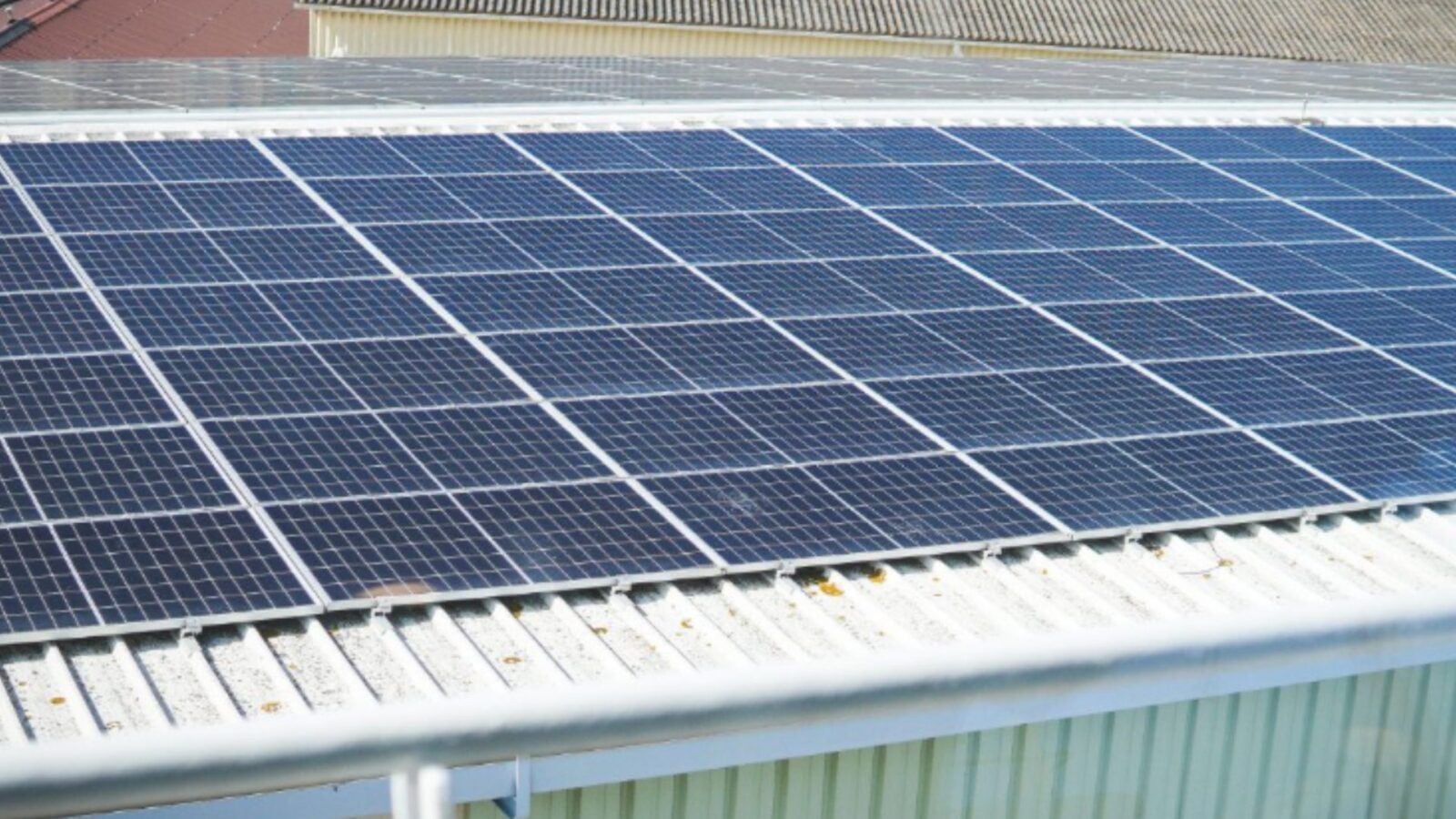
In the year 2000, researchers from the Federal University of Santa Catarina (Brazil) installed multicrystalline modules on a university building. In 2022, the panels were dismantled in order to study their performance, 22 years later. Today, the researchers published their results in the scientific journal Solar Energy Advances, and suffice to say they are surprising.
Solar panels still performing well, 22 years later
For 22 years, the solar panels installed by this team of researchers had to cope with the intense temperatures of this region of Brazil and a high level of sunshine, not to mention the fact that the building where they were placed is located on a coastal island in the Atlantic. So, have these multicrystalline modules lost their capabilities after all these years? On the contrary, the researchers found that solar panels were still very efficient.
Indeed, the report indicates that the annual degradation was only 0.4% to 0.5%. In 2000, the manufacturer estimated an annual degradation of 1%. The panels would thus have kept a performance ratio by 85.3%. A figure which, again, exceeds the guarantees of the time which promised 80% performance after 20 years of use. More generally, extremely slow aging of silicon was observed.
For researchers, the observation is clear: “ THE Results demonstrate that second-life photovoltaic modules can operate safely and efficiently after decommissioning and more than two decades after manufacturing “. So why shouldn’t second-hand solar panels find a place of choice in today’s market?
An extremely competitive current market
On the one hand, it is a question of performance difference : the yield per square meter has increased considerably in the space of 20 years. On the other hand, the price solar has fallen by around 90% over the last 20 years, even though we regularly see price variations. The report indicates that new modules are so cheap that the gain made by buying second-hand is canceled out by the shortfall in electricity production. Fierce competition in the market, cut prices and much higher energy efficiency make second-hand solar panels difficult to compete with.
But above all, the report underlines that the second-hand solar panel market is not regulated: “ a major obstacle is the lack of standardized testing protocols and acceptance criteria for reuse “. Between the inspection, certification and reconditioning of old panels, it is currently not possible to envisage a real market for second hand solar panels. The report therefore recommends rapid and inexpensive verification procedures after the dismantling of solar panels. For researchers, the objective is to be able to offer second-hand solar panels for social applications or for low-income communities. The extraction of materials that make up old photovoltaic panels and a complete recycling process would then no longer be systematic.
👉🏻 Follow tech news in real time: add 01net to your sources on Google, and subscribe to our WhatsApp channel.
Source :
Science Direct