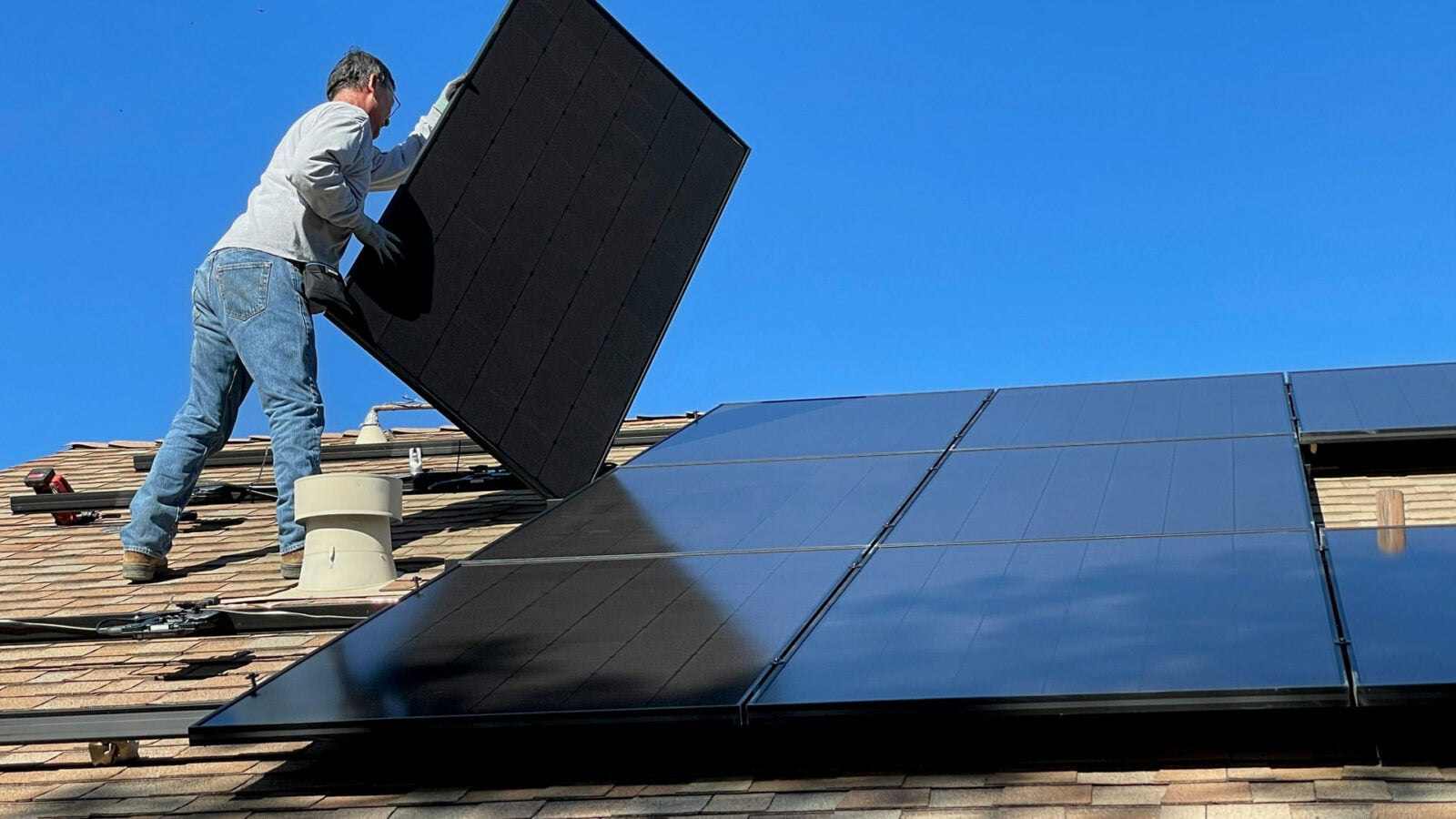
The government is preparing to disrupt the economics of residential solar panels. A draft decree, submitted to the Higher Energy Council at the beginning of April, plans to reduce the surplus purchase price to 1.1 cents and to eliminate the self-consumption bonus for all small installations. Enough to make the resale of electricity almost non-existent and push individuals towards total self-consumption.
The rules of the game will radically change for households wishing to invest in photovoltaic panels. A draft decree modifying decree S21, recently presented to the High Energy Council, provides for a total overhaul of the aid granted to individuals. Please note: contracts already signed are not called into question, only new installations will be affected.
A sudden drop in remuneration
The first blow is the most violent. The purchase price of surplus electricity by EDF OA would fall from 4 euro cents to just 1.1 cents per kWh, a division by four. Taking into account the reductions already applied since March 2025, remuneration would thus be divided by more than ten in the space of just one year.
Other bad news is that the repurchase would simply be suspended during episodes of negative prices. Note that the French electricity network recorded 513 hours of negative prices on the wholesale market compared to 352 in 2024. In other words, the electricity produced would be injected into the network without any compensation. The self-consumption bonus would also disappear: currently between 60 and 120 €/kWp depending on the power of the installation, it would disappear purely and simply. Same thing for the resale of the entire production, until now accessible to installations up to 100 kWp.
The reasons for such disengagement
This decision is explained firstly by the growing risks of imbalance in the electricity network. At the end of 2025, Enedis identified 848,374 photovoltaic installations for individual self-consumption. This dazzling multiplication generates a huge peak in production in the middle of the day, while overall electricity consumption stagnates. A situation which sometimes forces EDF to reduce or even shut down its nuclear reactors, designed to operate as regularly as possible, as Ouest-France points out.
The financial aspect also weighs very heavily. According to the recent Lévy-Tuot report, submitted to the Prime Minister on April 10, 2026, the burden on public finances linked to compensation paid by the State amounted to 2.6 billion euros in 2024, 5.3 billion in 2025, and could reach at least 6.8 billion in 2026.
Towards the rise of domestic batteries
Despite these shock announcements, investment in photovoltaic panels remains relevant thanks to the collapse in the price of the material. The equipment strategy must, however, evolve: profitability will no longer be based on sales, but on maximizing personal consumption. Professionals therefore recommend no longer oversizing the installations and combining the panels with a domestic battery. A 10 kWh battery (around €5,000, amortized over ten years) can increase the electrical autonomy of a household from 30% to more than 60%.
At the same time, faced with the withdrawal of the State, private suppliers are offering new alternatives. Octopus Energy has therefore launched a Solar Boost offer, guaranteeing the purchase of the surplus at 4 c€/kWh for four years, provided that the installation is coupled to a domestic battery. An avenue to explore with discernment, however: the private buyout sector is not immune to unserious companies, as illustrated by the case of JPME, heavily sanctioned for millions of euros in unpaid debts since 2023.
👉🏻 Follow tech news in real time: add 01net to your sources on Google, and subscribe to our WhatsApp channel.
Source :
What to Choose