VW’s sales boss compares thermal cars to horses: no one banned them, they were just overtaken. Its vision of the electric transition, without regulatory constraints.
“Do you know when horses were banned? » This is the rhetorical question that Martin Sander, Volkswagen board member responsible for sales, marketing and aftersales, asked Auto Express during an interview in London. The answer, of course, is that they never were. Horses still exist. On the other hand, people gradually understood that a car was a better way to get from point A to point B. Sander believes that the same evolution awaits thermal engines, with or without a regulatory ban.
Stop talking about bans and talk about benefits
Sander’s position is clear: the public debate on the energy transition is on the wrong track. By focusing on the date of the ban on sales of new cars with combustion engines, industry and politicians are missing out on what would really convince consumers.
“How do you convince customers to adopt new technology if all you’re talking about is a date from which you will no longer be allowed to use these vehicles, vehicles that you have become accustomed to over the decades? »he asks. His answer: remove practical obstacles, such as charging infrastructure, the price of energy, and highlight the concrete advantages of electric vehicles. Under these conditions, he believes, consumers will make the choice naturally, as they did with the automobile versus the horse at the beginning of the 20th century.
This is not a naive position on the part of a manufacturer that sells electric vehicles. European figures show real progress: according to ACEA, 100% electric vehicles represented 20.9% of new registrations in Europe over the first four months of 2026. A level still far from a majority, but which illustrates that the transition is underway without requiring an immediate ban.
The EU nevertheless maintains its objective of reducing CO₂ emissions from manufacturer fleets by 90% by 2035 compared to 2021 levels, which in fact leaves very limited room for maneuver for thermal engines, even without a formal ban.
No range-extender in Europe, but lessons from China
In the same interview, Sander closed the door to the introduction of the range-extender in Europe, a technology that VW is developing for the Chinese market. “There is a market in China. In Germany or Europe for the moment? I don’t really see this opportunity.”he declared, judging the overlap with existing plug-in hybrids too important to justify a new variation.
On the other hand, Volkswagen intends to capitalize on its learnings in China, a market where competition from local manufacturers is the fiercest, to sharpen its competitiveness on a global scale. “Everything we learn in China will help us compete in all other markets”Sander clarified. The challenge is primarily industrial: scale, efficiency and cost reduction.
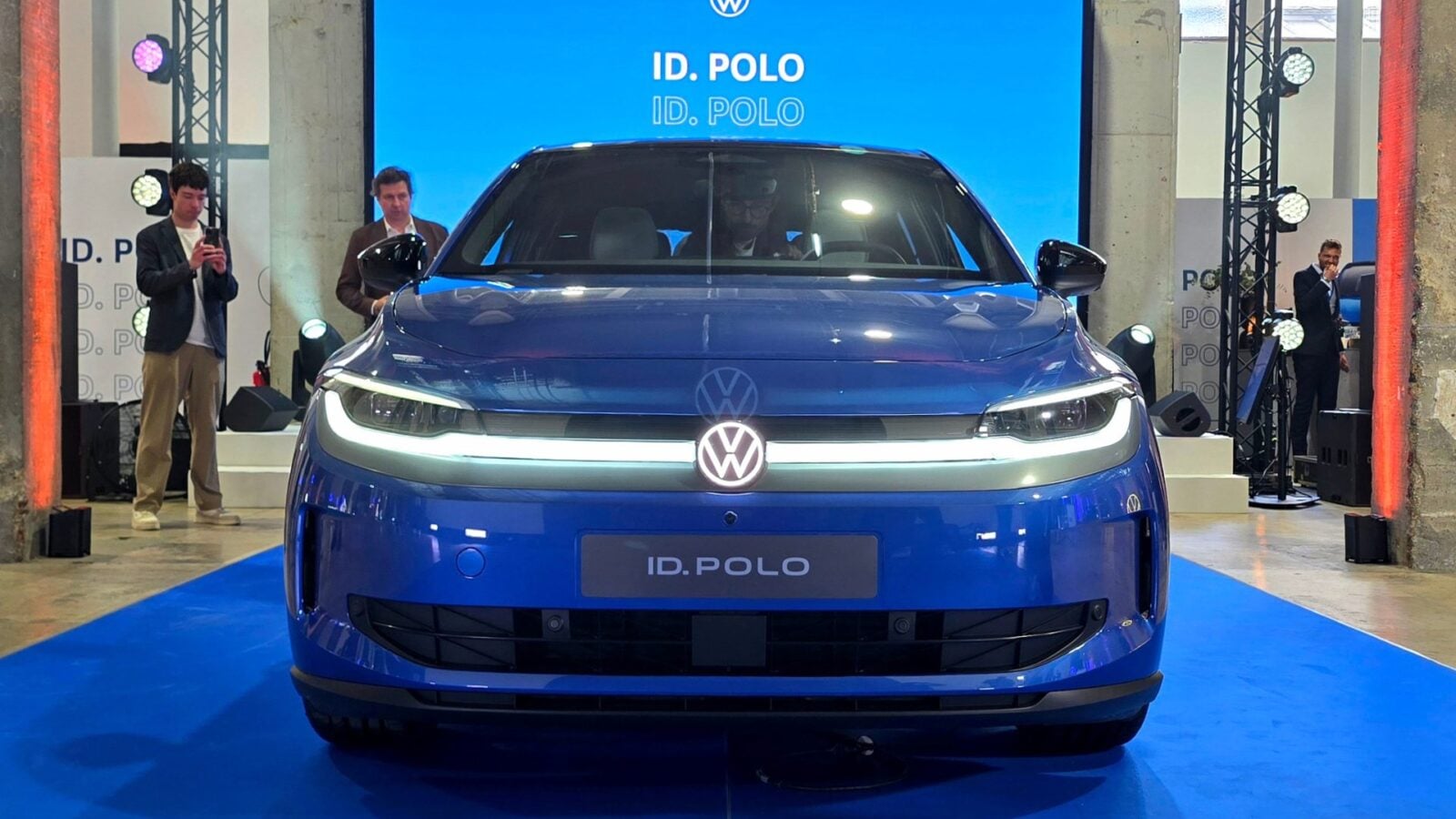
On the product side, the next few months promise to be busy for VW: launch of the ID. Polo, electric version of the popular thermal city car, followed by a GTI version, then unveiling of the ID. Tiguan, substantial update of the ID.4. Launches which will fit precisely into this strategy: showing that the EV can be desirable without the need to force anyone to buy it.
👉🏻 Follow tech news in real time: add 01net to your sources on Google, and subscribe to our WhatsApp channel.