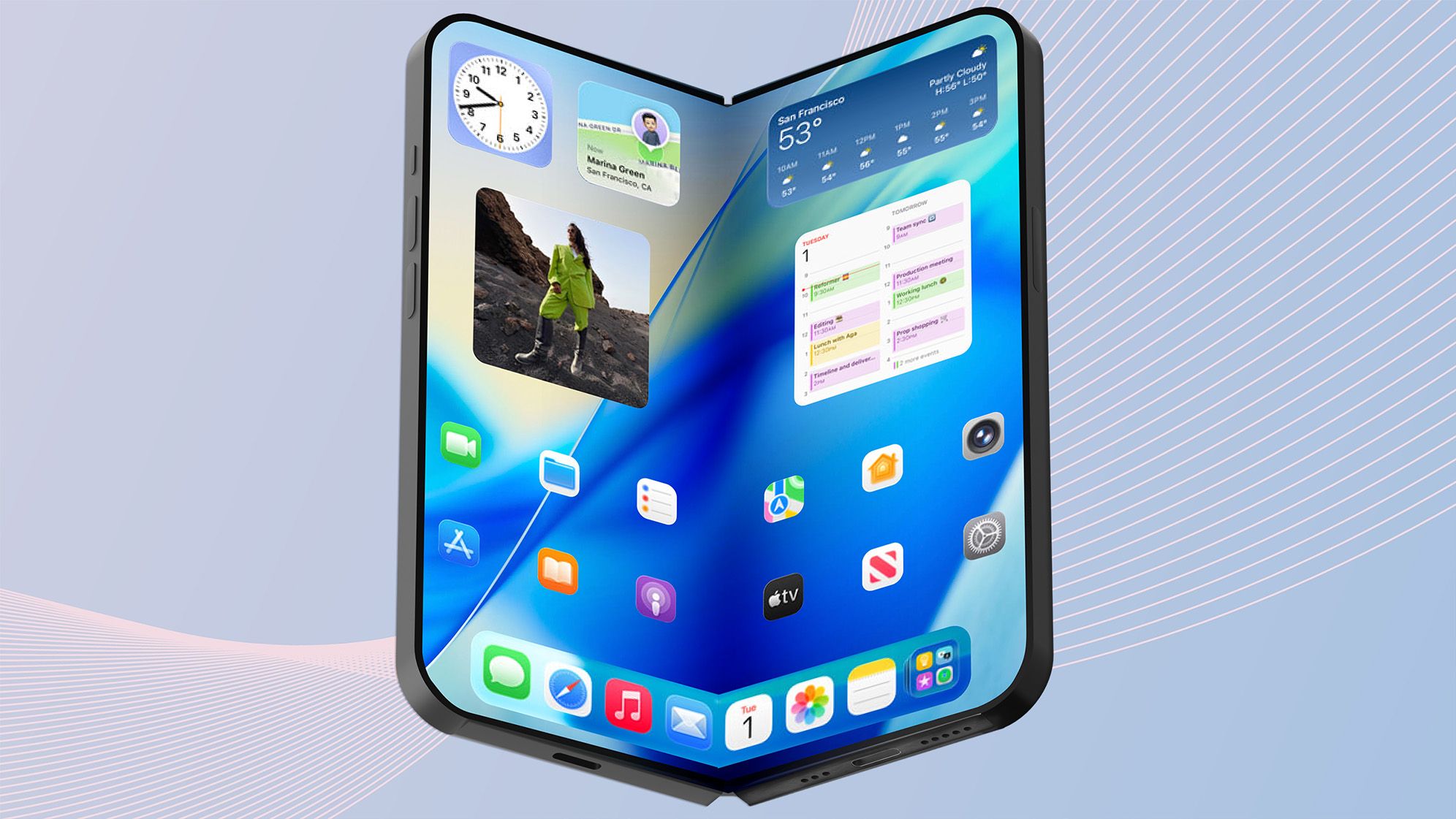
The iPhone Fold is shaping up to be quite an impressive-sounding phone, to the point where Apple is reportedly considering naming its first foldable “iPhone Ultra.” The closer we get to the rumored launch date, the more attention there will be on this particular phone and what it offers.
Unsurprisingly, there has been a lot of attention on how the iPhone Fold will stand out from its rivals. We’re talking things like the wide-body design, the crease-free display and things of that nature. What hasn’t been spoken about are all the things the iPhone Fold won’t offer compared to other foldables.
Article continues below
Let’s talk about cameras
Considering triple-lens cameras have been a staple on iPhones for almost seven years, it’s quite surprising to see leaked designs showing off the iPhone Fold with two rear-mounted cameras. Reports suggest that Apple is including a pair of 48MP lenses, likely one main lens and a secondary ultrawide lens.
The telephoto lens, or tetraprism if you prefer Apple lingo, is nowhere to be seen. This is even though plenty of other foldables, including the $1,999 Samsung Galaxy Z Fold 7, offer that extra third lens with specs similar to those found on non-folding flagships. Heck, the Z Fold 7 (and upcoming Z Fold 8) has the 200MP camera lens that has characterized Samsung flagships for the past few years.
Obviously, there’s more to camera quality than having the biggest number of megapixels. The fact that the iPhone 17 Pro Max is one of the best camera phones, with its 48MP camera rivaling the performance of the Galaxy S26 Ultra’s 200MP lens, is proof enough of that.
Foldables are a pretty hard sell, in part thanks to their outrageous price tags, and if you’re going to ask people to spend so much money, you need to make it worth their while. While the prospect of having an iPhone that folds is enough for some, it’s not going to shift the 6-8 million units Apple is reportedly manufacturing. It needs to be better than the alternative, especially if that alternative is a cheaper iPhone.
On a side note, it’s weird that Apple has produced two premium phones in as many years that deliberately reduced the camera count. I’m talking, of course, about the iPhone Air, which stripped the camera hardware down to a single lens — the first iPhone flagship to have a solo camera since 2017’s iPhone 8.
I know Apple’s cameras are good, and they help pioneer the idea of “optical quality” to offer zoomed-in shots without a telephoto lens, but are they so good that it can afford to strip out fairly standard hardware? Not when you’re charging $2,000.
We need much better durability, too
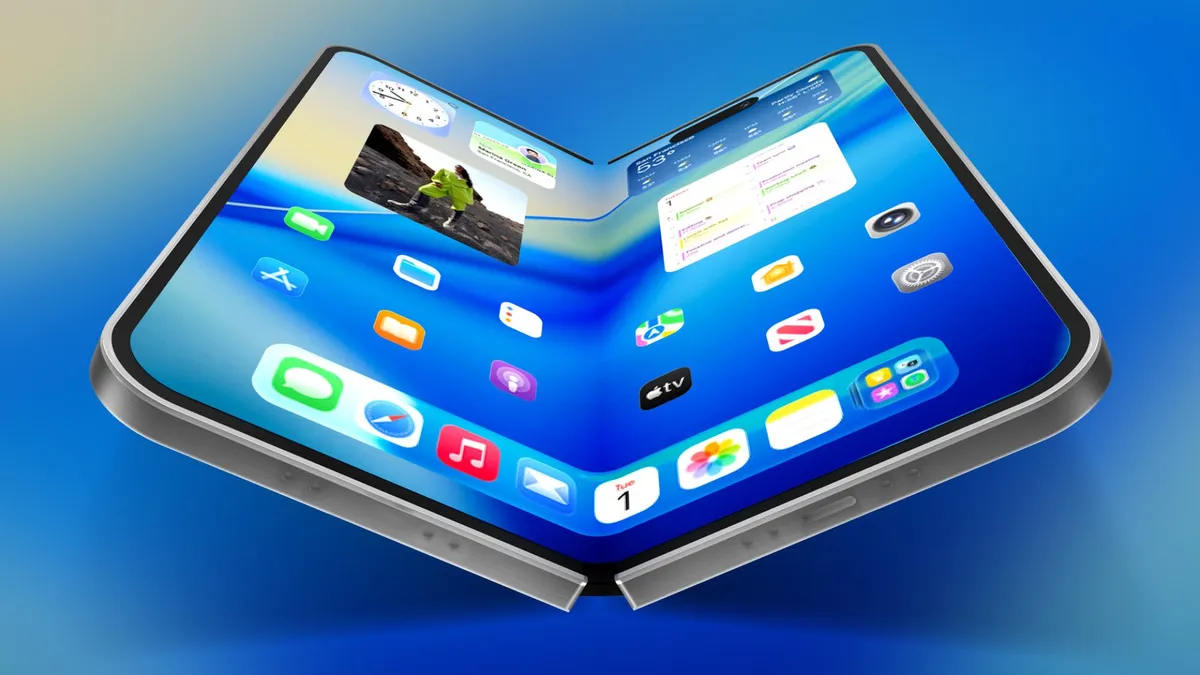
Foldable phones are not known for being the sturdiest phones you can buy, so instead of focusing on things like the crease, Apple really should be doing what it can to keep the iPhone Fold as safe and durable as possible.
That’s especially important considering all the problems the iPhone 17 Pro and iPhone 17 Pro Max have had after the switch back to aluminum frames. My own iPhone 17 Pro Max has some very prominent chips around the Raised Plateau, despite being exceptionally well cared for, as a result of the “scratchgate” problem. Those silver chips in the orange metal stand out more than a toddler that’s been released into a library with a kazoo.

Rumor has it that the iPhone Fold will utilize titanium in its frame, just like the iPhone Air. That should offer an extra boost to durability, without increasing weight, and avoiding any of the same issues experienced by the iPhone 17 Pro series. Hopefully, the inner structure and hinge have also been reinforced to the same extent, which should avoid any bendgate-style issues that might have resulted from the Fold’s thin design
The inner display is another notable weak spot, since the need for flexibility directly impacts its overall toughness. We’ve seen a lot of improvements to this over the years, wth foldable makers adding a layer of ultra-thin glass (UTG) for protection, as well as better screen reinforcement in the areas that aren’t supposed to bend.
But we’re going to need a lot more than that. Considering how well the Ceramic Shield 2 display glass has been received, I’d hope Apple is putting the time and resources into making an equivalent for the iPhone Fold’s inner display.
Even if it’s not quite as durable as Ceramic Shield 2 itself, it just needs to add more protection from whatever materials rival foldable phones are employing. That’s far more important than the crease.
Apple’s focusing on the wrong things
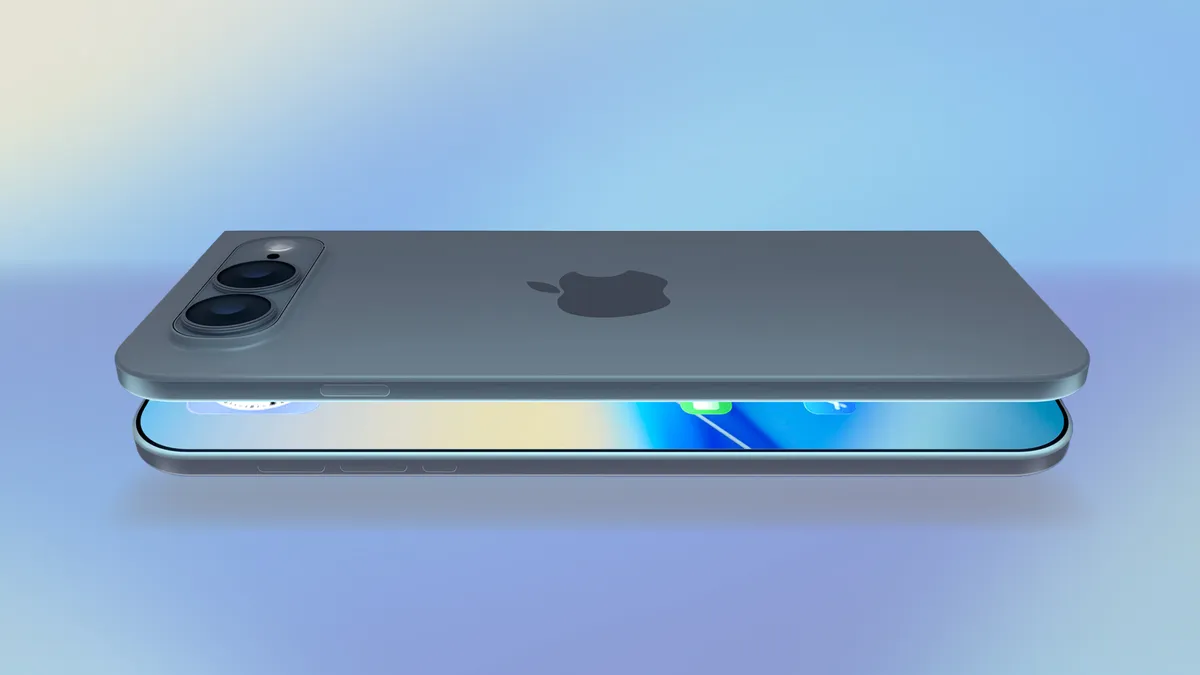
Reports have suggested that Apple has been particularly anal about the iPhone Fold’s screen and eliminating the display crease “at all costs, regardless of price.” Apparently, this has been done to differentiate the iPhone fold from rivals, and presumably because this is something Apple thinks people care about so much that it puts them off buying a foldable.
I’ve said this before, and I’ll say it again, Apple has a habit of hyperfixating on making certain features perfect that it neglects other, more fundamental aspects of the product.
We saw this with the Apple Vision Pro, with reports suggesting Apple was concerned about the headset cutting users off from people around them on a personal and emotional level. Which is why we ended up with the capitalist personification of the Uncanny Valley that is the EyeSight feature. Likewise, the Apple Design Team reportedly didn’t want to release the headset at all, preferring to keep pushing for Apple Glasses, only to be overruled by Apple’s leadership.
The same appeared to be true with the Apple Car, with Apple reportedly trying to perfect a truly autonomous car that didn’t even need a steering wheel. Even though we all lack the technology and legal frameworks to make such a car possible on a mass scale. By the time Apple realized it needed to reverse course and start with something simpler, it had already been working on the project for nearly a decade and had spent billions trying to get it right.
Getting a foldable’s screen right is a crucial part of the design process. It needs to be durable and capable of withstanding the many folds that will take place, while also offering sufficient picture quality and brightness. But it’s not something you should focus every scrap of your energy into because, as we’ve seen over the past eight years, the foldable gimmick is not enough to sell phones in the quantities Apple is reportedly hoping for.
As we saw with Apple Vision Pro, simply having the best product doesn’t necessarily mean people will buy it. Especially when the price tag is that high.
Bottom line

I recently argued that iPhone Ultra was the best name Apple could choose for its foldable, because it immediately shows customers what this phone is. It isn’t just an iPhone with a folding screen; it’s an iPhone that trumps all Apple cell phones you can buy, which is why it’s so expensive.
Of course, none of that matters if the iPhone Ultra can’t live up to its name. At the very least, it should have hardware equivalent to the iPhone 18 Pro, if not the Pro Max, and the rumors so far suggest that this isn’t actually happening. Which defeats the purpose of offering such an expensive iPhone and giving it such a grandiose name.
So instead of focusing on things that, in the grand scheme of things, don’t really matter, someone should tell Apple it needs to get the basics right first. Especially if it wants to charge as much as we’re expecting it to.

Follow Tom’s Guide on Google News and add us as a preferred source to get our up-to-date news, analysis, and reviews in your feeds. Subscribe to Tom’s Guide on YouTube and follow us on TikTok.