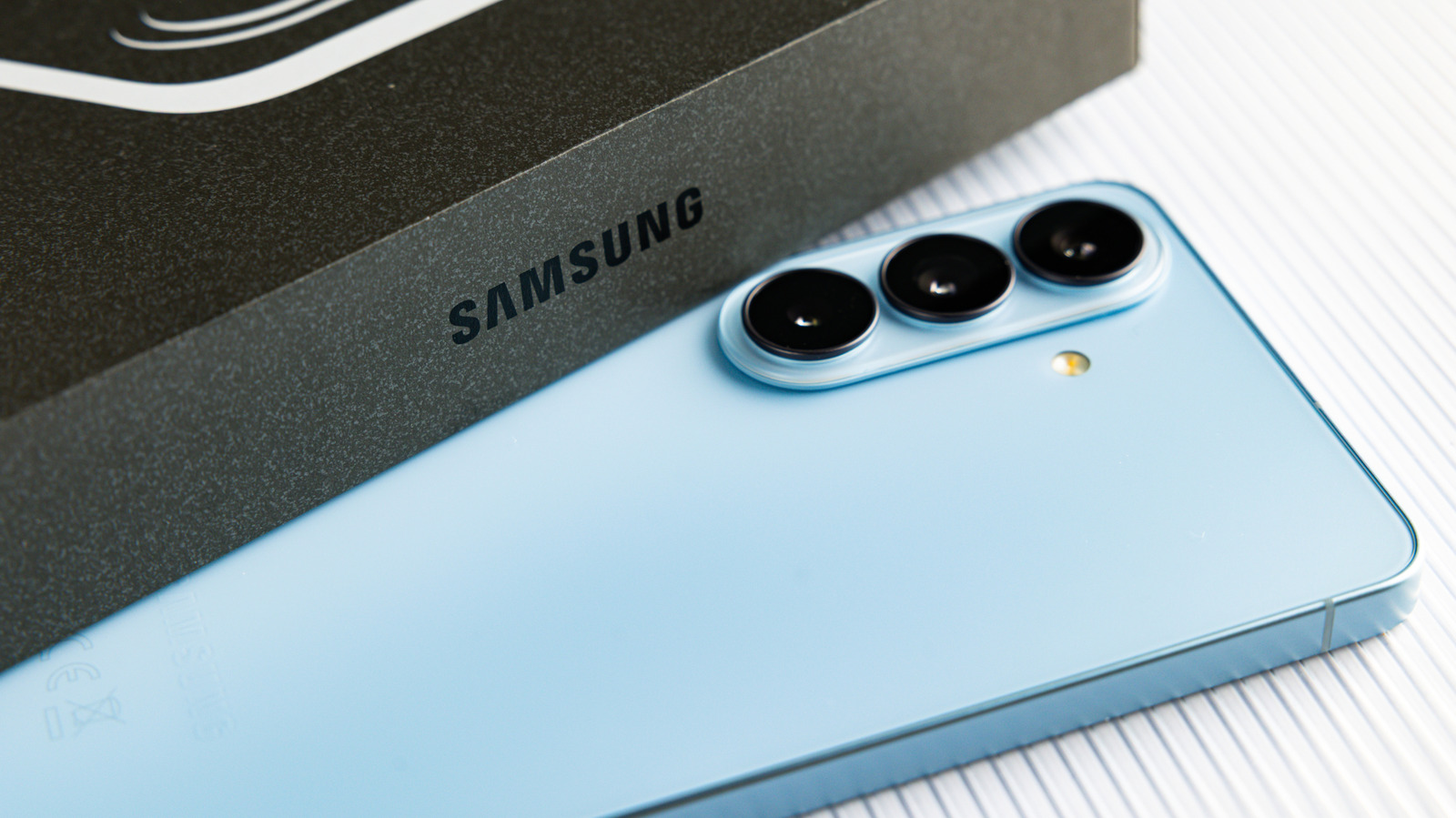
The Galaxy S26 series is Samsung’s latest Galaxy flagship since its worldwide release on March 11, 2026. Since the entire lineup is considered premium, you’re likely wondering if the upfront cost of securing one is truly worth it. One of the burning questions is software support. Previously, Samsung promised seven years of operating system (OS) and security updates in early 2024 as a main selling point for its Galaxy S24 lineup. Since then, Samsung has been committed to giving its other devices this support, outside of its newest flagship. Some Samsung phones, like the Samsung Galaxy S21, S21+, and S21 Ultra, will no longer receive regular updates in 2026.
It’s been some time since Samsung’s update policy was announced, so you might be wondering if it still applies to the Galaxy S26 phones. Luckily for you, it does. When the Galaxy S26 lineup launched, Samsung promised seven years of updates. That means you can expect the Galaxy S26 to support up to Android 23, and the phone will receive its last OS and security patch in 2033. The OS support extends to Samsung’s One UI, which is essentially a custom skin built on the latest version of Android.
Does long-term support make it worth holding onto your Galaxy S26?
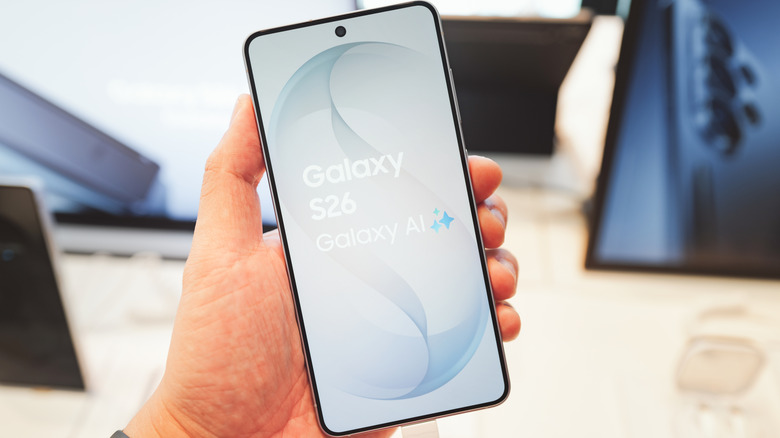
While the promised seven years of updates for both the OS and security seem enticing, it isn’t always practical. Hardware degrades over time, thanks to thermal stress on its components, which can happen just by charging your phone. Plus, the chipset will be nowhere near as efficient and compatible with new firmware as it is halfway through its lifecycle. So you’ll be limited by the hardware, and there’s no guarantee that it will perform as well with software services.
However, this does not necessarily mean that gaining long-term software support is a bad thing. You can choose when to upgrade (or if it’s necessary) — just this time, your current device will last longer, so you’re not pressured to do so immediately. If you’re patient enough, Samsung has a decent trade-in program that lets you trade in an older Samsung flagship for a new one during the best time to trade in: launch events.
Though it wasn’t always like this; Samsung wasn’t always this generous with updates, and the cadence of releases wasn’t always consistent. Before the new policy, Samsung only supported around four major Android OS upgrades and five years of security updates, and it was even fewer for its mid-range devices. Before 2020, Samsung had planned only two major updates in a three-year span, which is measly compared to what it does today.