

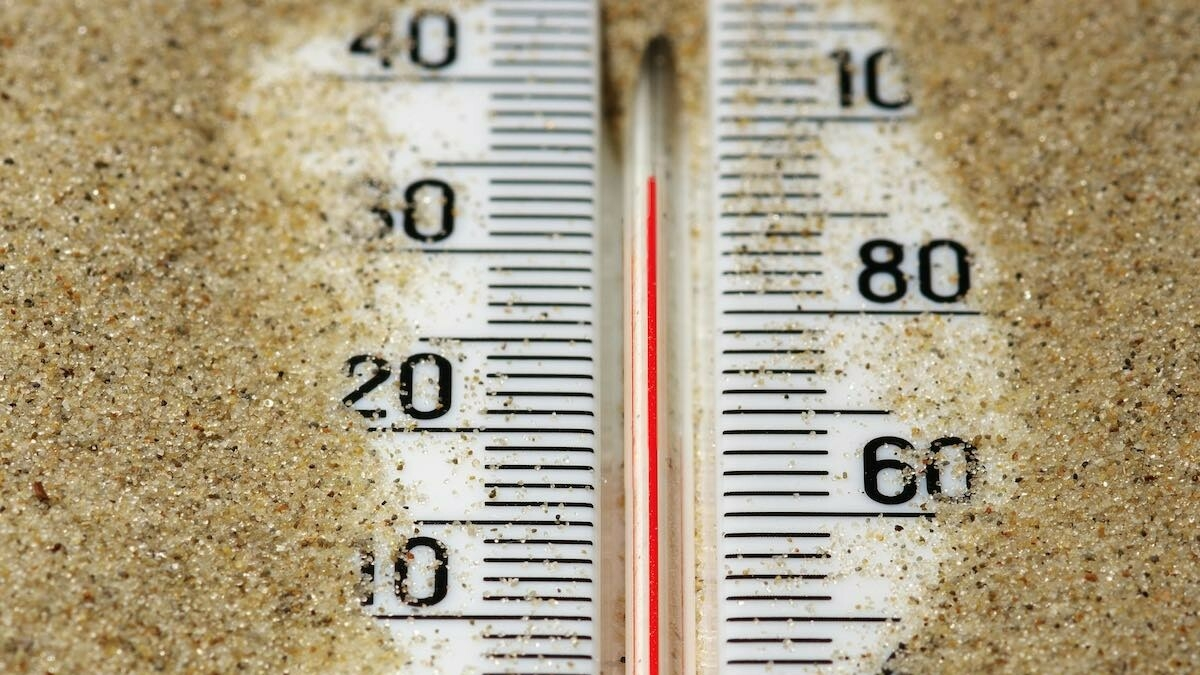
With increasingly intense heat waves, our interiors are transforming into real ovens. This situation puts a strain not only on organizations, but also on all of our equipment. From the refrigerator that struggles to produce cold to the phones that display alert messagesbreakdowns linked to extreme temperatures are increasing.
Why does your refrigerator break when it’s hot?
Contrary to popular belief, the number one enemy of the fridge is not heat itself, but lack of air. Constantly called upon, its compressor runs at full speed to maintain a low temperature, which generates even more heat. If your appliances are built-in or too close to a wall, the air will not circulate, preventing the heat dissipation.
The formation of frost, accentuated by repeated door openings, aggravates the problem by obstructing the circuits of cold. Experts are clear: it is crucial to leave a few centimeters of space around the appliance and to defrost it regularly. Lowering the thermostat is completely counterproductiveas this forces the engine to work harder and increases the risk of overheated.
What are the real risks for your smartphone battery?
Nos smartphones are the first visible victims of the heat. Designed to operate within an ideal temperature range, often between 16 and 22°C, they come into use danger zone above 35°C. The most sensitive component is undoubtedly the lithium-ion battery, an element chemically unstable facing extremes.
Under the effect of heat, internal chemical reactions accelerate, degrading cells and causing swelling notable. In the most extreme cases, this gas can put pressure on the screen until it breaks. The risk of fire, although rare, is real with these batteries. It is therefore obviously imperative not to charge your device in full sun.
What can you actually do to protect all your devices?
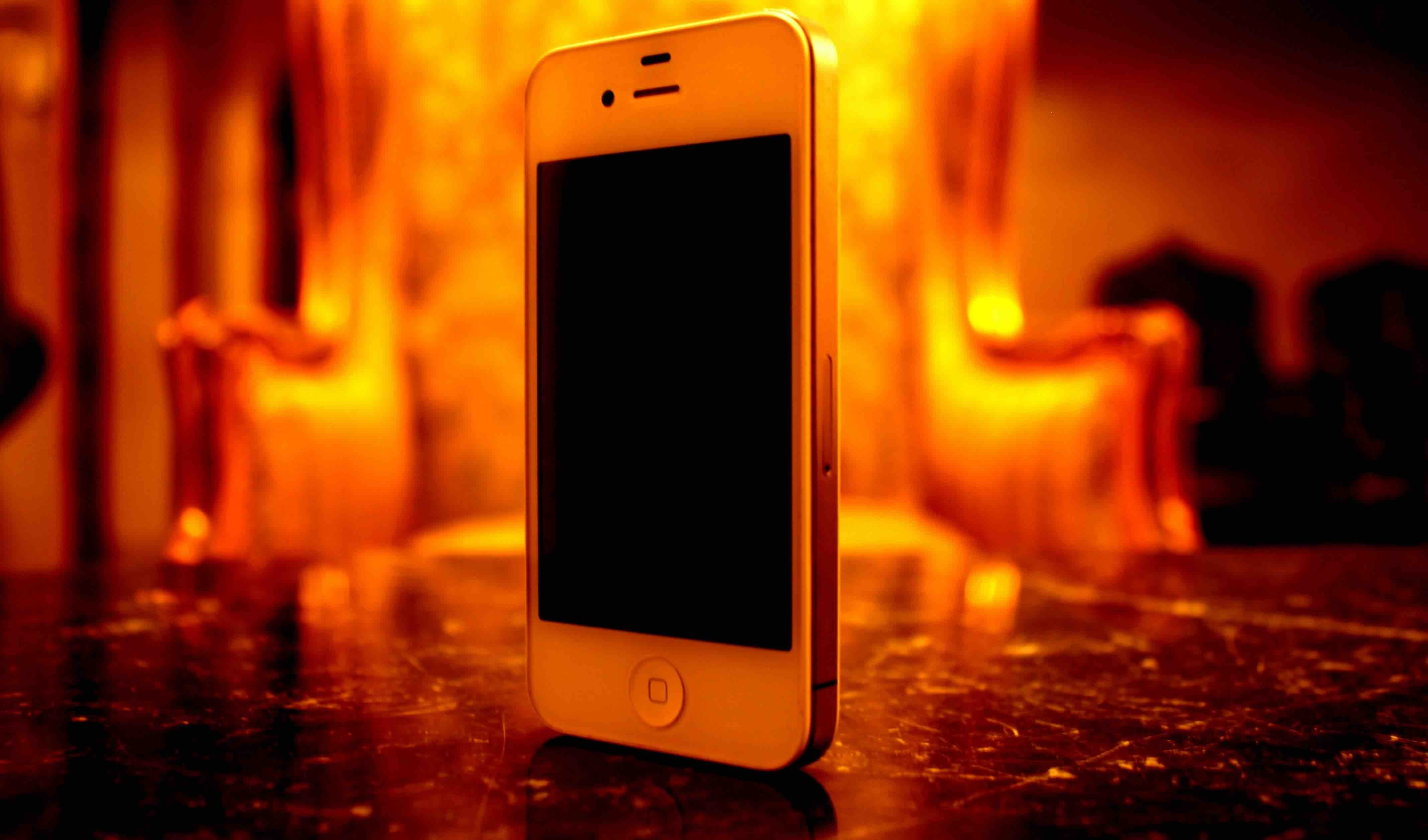
Prevention remains the best strategy in the face of heat waves. If your phone displays an alert message, turn it off, remove its case and let it cool in the shade. Above all, never place it in the refrigerator: the thermal shock could cause irreversible damage on internal components.
For other appliances such as washing machines and especially ovens, it is advisable to use them during coolest hours. For new air conditioners, allow a rest period of 24 hours after transport before turning them on. Finally, be careful with all batteries, including those of electric bicycles and scooters: do not recharge them never in the sun and have them checked at less shock.


