The time has come: Apple manufacturer Foxconn is starting to produce the iPhone 18 Pro and 18 Pro Max. This is reported by the China Securities Journal, a business newspaper published in China. As usual, Foxconn hires hundreds of thousands of seasonal workers to assemble the hardware in the huge iPhone factories in Zhengzhou and other Chinese cities. New this year: In addition to the iPhone Ultra, Apple’s first foldable, there will only be two other new devices in September – the iPhone 18 Pro and 18 Pro Max. Other models, including the popular standard model, are not expected to follow until spring 2027: iPhone 18, the entry-level version 18e and possibly a second iPhone Air.
Read more after the ad
Utilize factories better, distribute sales better
Apple is thus able to utilize its subcontractors’ factories better and also make the financial year less cyclical. Currently, the fourth calendar quarter is always the company’s peak in terms of sales and profits, as the new iPhones usually appear in September. Spring has so far only been reserved for the entry-level model, most recently the iPhone 17e.
So far, Foxconn has always had to start recruiting enough employees for the iPhone season in the summer. Among other things, around 1000 euros in bonuses are paid. On average, the fitters then stay on site for three months to cover the hot production phase. This year, the seasonal workers could stay longer and produce the other variants after the Pro models. No information was given about the production of the iPhone Ultra, but it is now said to have entered mass production. The new distribution also means a little less stress for suppliers. These can then concentrate on components for one series.
Better camera, new chip, thick case
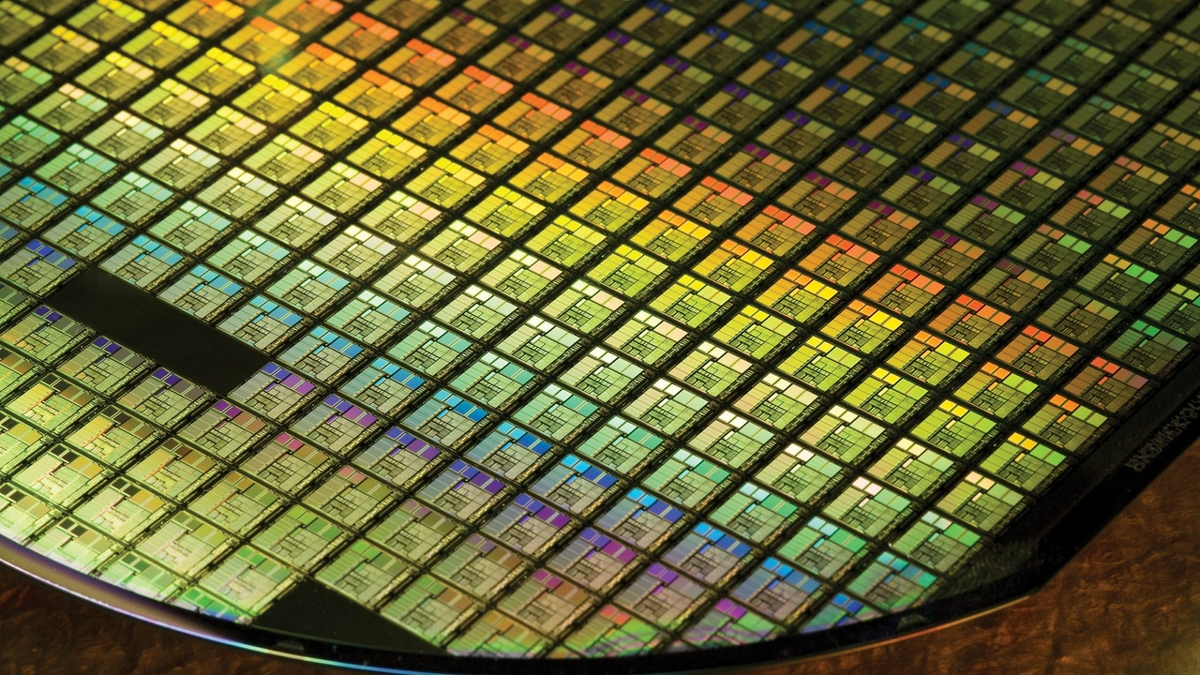
No major form factor changes are initially expected for the iPhone 18 Pro and 18 Pro Max. However, the hardware could be a little thicker, because Apple is planning a new camera module with a variable aperture. The processor used is the new A20 Pro, which is said to be manufactured using the 2 nm process for the first time. The battery could be a little bigger.
When it comes to the display, there is a rumor that the physical Dynamic Island could be reduced in size. The idea is supposedly to move parts of the True Depth module under the screen. It already seems clear that the new Pro models could be more expensive across the board. This can cost up to $300 each. The reason is RAM and NAND inflation.
Read more after the ad
Recommended editorial content
With your consent, an external price comparison (heise price comparison) will be loaded here.
(bsc)