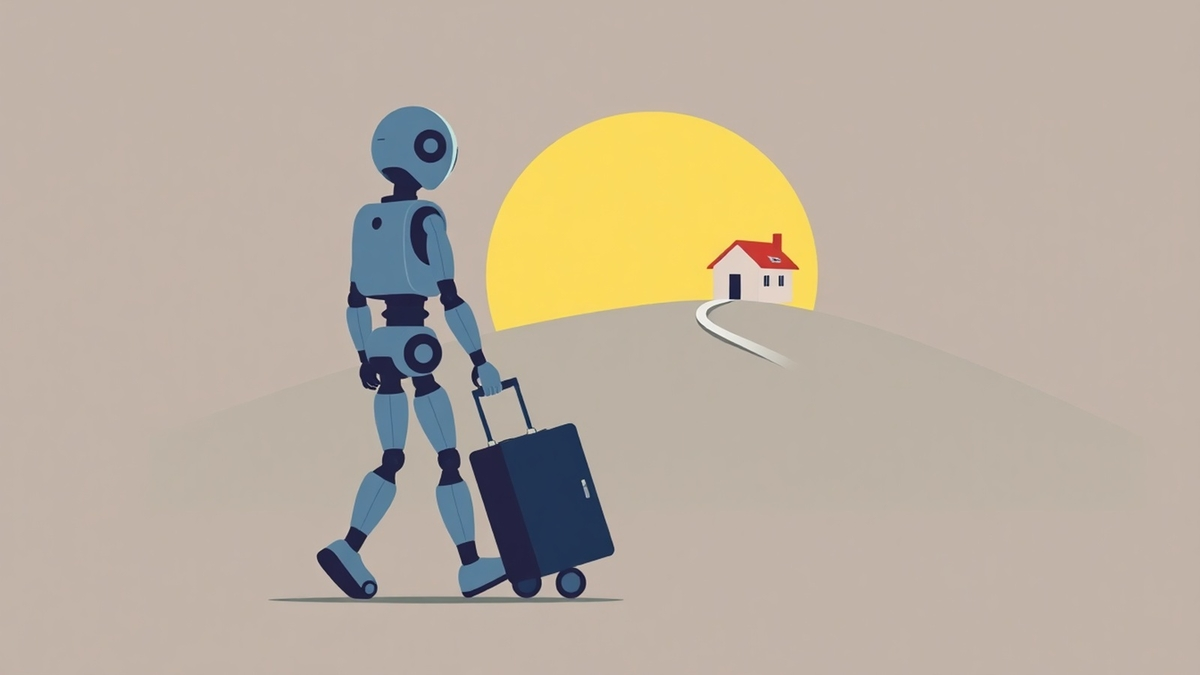
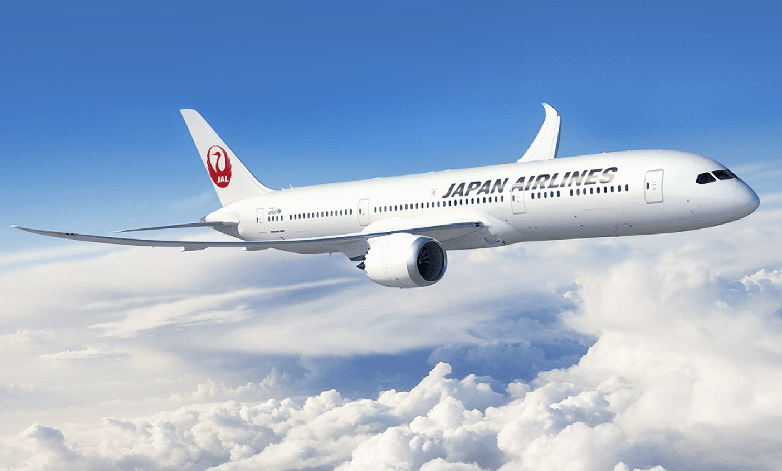
On the tarmac of Haneda airport, one of the busiest in the world, a new era is brewing. From May 2026, Japan Airlinesin collaboration with the group GMO AI & Roboticswill integrate colleagues of a new kind to its ground teams.
This is a full-scale experiment in humanoid robots 130 cm, manufactured by the Chinese company Unitree (more precisely Unitree G1 models). The project, planned to last until 2028, aims to assess their ability to perform physically demanding tasks.
This initiative is a direct response to a demographic and economic crisis that is hitting Japan: an aging population, a shrinking workforce and booming tourism.
Why choose human-shaped robots?
The choice of humanoid robots is an eminently pragmatic decision. Unlike traditional automation systems, which require heavy and costly modifications to infrastructure, these automatons are designed to adapt to the existing environment.
They can move and operate in spaces designed for humans, such as cramped areas around aircraft, which represents a considerable economic advantage.
Previous attempts at automation in airports often encountered the complex and unpredictable nature of ground work. A human-shaped robot offers flexibility that stationary machines cannot match.
It can potentially learn and perform a greater variety of tasks without the need to rethink the entire logistics process. It is the promise of smooth integration in operations that have changed little in decades.
What specific missions for these new metal employees?
First, the roadmap for these robots is framed. THE two units deployed will be responsible for specific tasks such as transporting cargo containers, manipulating the locking levers of these containers and assisting with loading on conveyor belts.
There is no question of letting them go immediately. The initial phase will consist of observe and analyze operations to identify the safest and most efficient insertion points.

The long-term ambition is much broader. If the experiment is conclusive, JAL and GMO plan to extend their scope of action. Robots could be used for airplane cabin cleaninganother repetitive and time-consuming task.
The ultimate goal is to achieve an autonomous operation, where robots manage a significant part of ground operations, thus meeting the challenge of labor shortage increasingly critical.
Is this the planned end of human baggage handlers?
The response from Japan Airlines is intended to be reassuring: it is a collaboration and not a replacement. Yoshiteru Suzuki, the president of JAL Ground Service, insisted that the initiative aims to “ inevitably reduce the burden on workers ».
The most critical tasks, including everything related to security managementwill remain firmly in human hands. The vision is therefore not that of a dehumanized tarmac, but of a cohabitation homme-machine.
Humans would then be repositioned on supervision, control and complex intervention missions, where judgment and adaptability are essential. The challenge is not so much to replace humans as to redefine its added value moving it from pure force tasks to piloting expertise.
This approach could create a more sustainable work model in airports where technology absorbs the arduousness and where humans guarantee operational intelligence.