

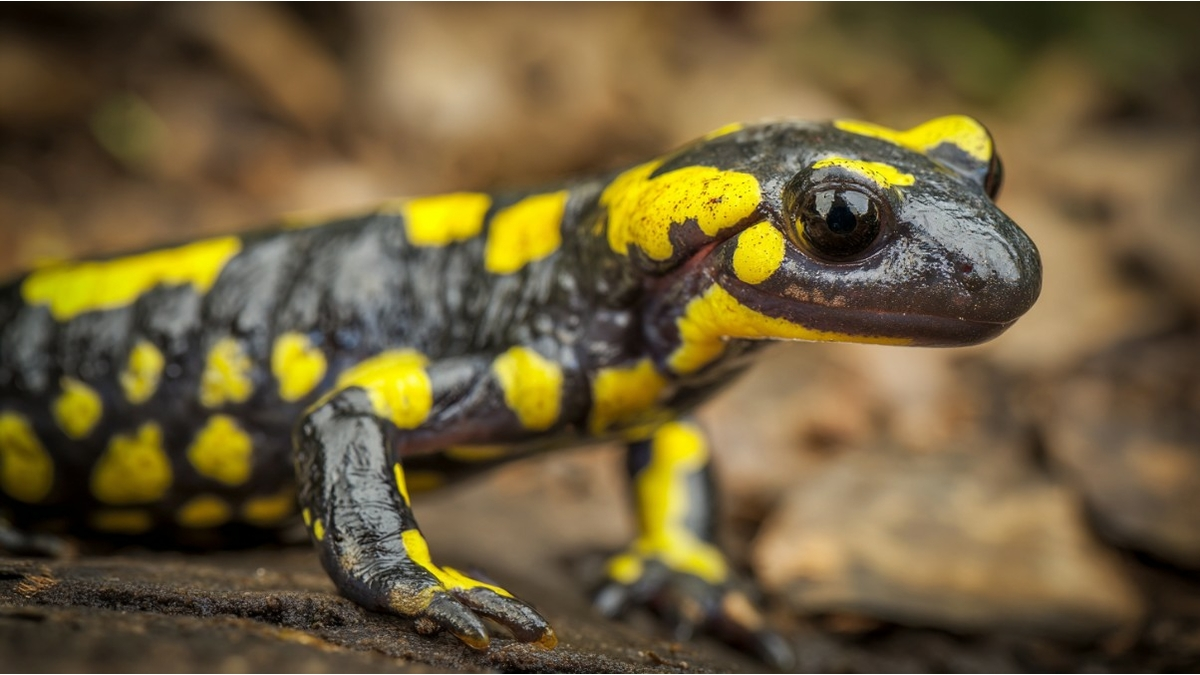
Science fiction has long fantasized about the human ability to regenerate limbs, an ability reserved for creatures like the salamander. Research by the College of Veterinary Medicine & Biomedical Sciences (VMBS) at Texas A&M University suggests that this limit may not be permanent.
Published in Nature Communications, the study details a treatment that allowed the regeneration of bones and jointscalling into question our certainties about healing in mammals.
Choosing to regenerate rather than heal
The key lies in redirecting the body’s natural response to injury. In mammals, injury triggers fibrosis, where cells fibroblasts quickly form scar tissue to close the wound.
This mechanism, essential for survival, prevents any complex reconstruction. Conversely, in regenerative species, these same cells form a blastemaa temporary structure that orchestrates tissue regrowth.
Professor at VMBS, Ken Muneoka explains that his team sought to redirect the behavior of fibroblasts already present at the site of the injury. To achieve this, they developed a two-step sequential treatment.
First the application of the growth factor FGF2 (Fibroblast growth factor 2) to stimulate the formation of a blastema, then, a few days later, the protein BMP2 (Bone morphogenetic protein 2) to tell the cells what to build.
Do we need external stem cells to achieve this?
One implication of this study is that regeneration does not require the addition of external stem cellsa central approach in current regenerative medicine.
” You don’t need to go get stem cells and reinject them “, asserts Ken Muneoka.” They’re already there, you just have to learn how to make them behave the way you want them to. “
This discovery changes the perspective on the healing potential of mammals, with a capacity that is not absent but simply masked.
The study also showed that cells can be reprogrammed to form structures different from their original location, a concept called positional re-specification.
What are the applications for human medicine?
Although the resulting regeneration is not a perfect replica of the original anatomy, the researchers managed to restore all the expected components: bone, tendon, ligament and joint.
These results, although imperfect, open the way to more immediate applications, in particular to improve the tissue repair and reduce the formation of scars.


