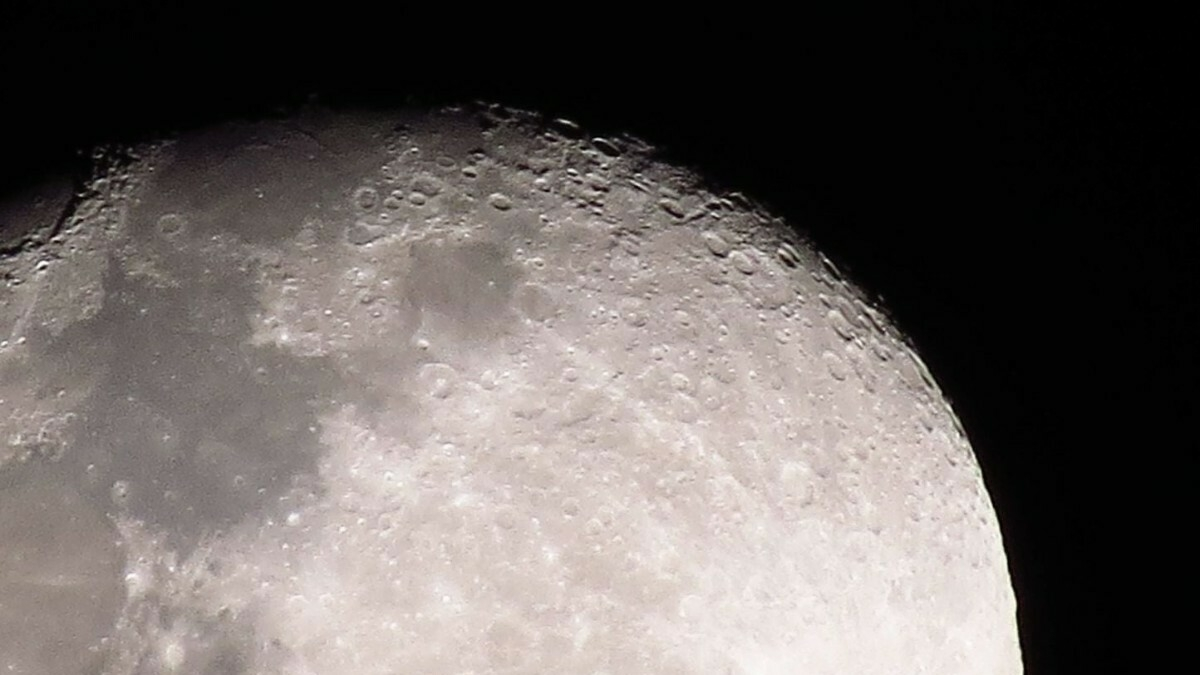
Space exploration is a war against extremes. While the NASA prepares its big return to the Moon with the ambition of establishing a base at the South Pole, an implacable enemy arises: the lunar night.
For nearly 14 Earth days, surface temperatures can drop precipitously, turning rubber into glass and electronic circuits into memories.
It is to anticipate these hardware failures that engineers at NASA’s Glenn Research Center in Cleveland have developed a real toolbox cryogenic: the LESTER.
Its goal is simple: to test the durability of each component intended to tread on the selenite ground, without using the usual expensive cryogenic equipment.
Why did NASA invent a new cryogenic testing machine?
NASA designed the LESTER (Lunar Environment Structural Test Rig) to free ourselves from traditional testing methods, considered too complex, expensive and risky.
Until now, to simulate polar cold, engineers immersed materials in liquid cryogens like liquid nitrogen or helium. This “wet” approach required heavy logistics, with special tanks, oxygen displacement sensors and drastic safety procedures. A real gas factory, literally and figuratively.
LESTR radically changes the situation. “ What makes it special is that the entire bench operates in a completely dry vacuum: no liquid nitrogen, no liquid helium, nothing liquid », explains Ariel Dimston, technical manager of the project.
By eliminating these constraints, NASA gains security, flexibility and significantly reduces costs. This is a major step forward for the entire space technologywhich can now increase testing at a fraction of the cost.
How does LESTR, this lunar night simulator, work?
The LESTR system works on a principle of “ dry cryogenics », a first in the industry. Instead of plunging an object into a freezing bath, the machine uses a powerful refrigerator, called cryocoolerto actively extract heat from the test chamber.
Everything takes place in a high vacuum chamber (less than 5×10⁻⁷ Torr, a unit of pressure measurement), recreating with unprecedented fidelity thelunar environment.
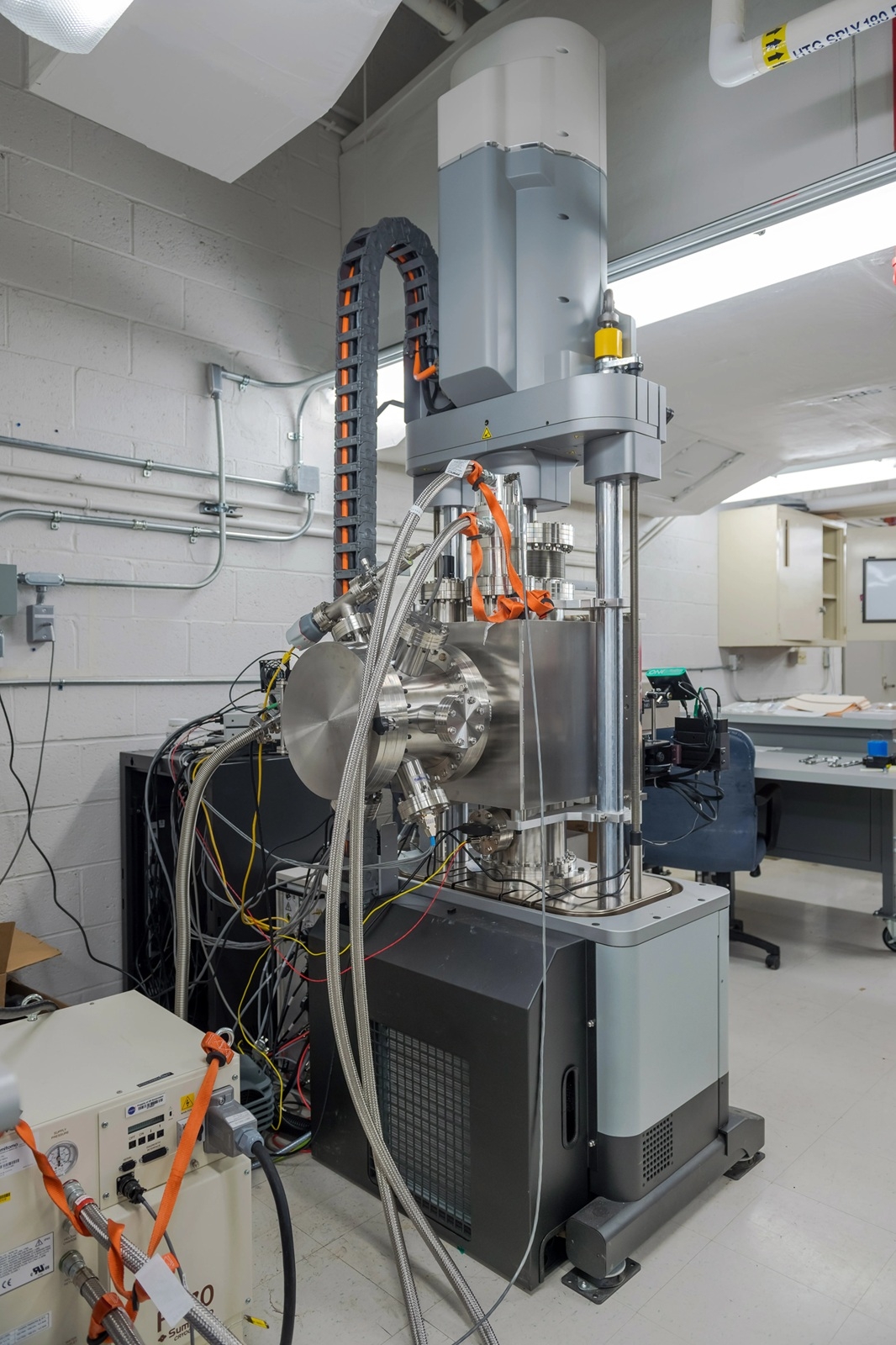
This approach allows surgical precision. Engineers can literally “dial in a temperature” on demand, between 40K and 125K (-233 to -148 degrees Celsius), and adjust it with a fineness impossible to achieve with liquids.
We no longer suddenly immerse a part, we create a tailor-made hostile environment controlled to the nearest degree. The machine can subject components to static load, fatigue, fracture or vibration testing, while measuring deformation with optical sensors. This is the ultimate quality control before the big departure.
What are the concrete applications for the Artemis missions?
The applications of LESTR are as vast as the ambitions of the programme Artemis. The machine is already testing yarns that could be woven into the space suits new generation, or even electronic components which must function without fail under extreme temperatures.
But one of the most fascinating areas concerns future lunar rovers and Martians. No more rubber tires that could explode from the cold. Dr. Santo Padula II’s team is working on shape memory alloys.
LESTR makes it possible to test these revolutionary metals at 40 K, a temperature where their behavior was previously unknown. The objective: to create puncture-proof tires and resilient, capable of traversing the most rugged terrain.
It is no longer a question of planting a flag but of establishing a lasting presence. And for this, every thread, every boltmust be tested to work flawlessly when the time comes.
A first version of LESTR has already been delivered to industrial partner Fort Wayne Metals, and its twin, LESTR 2, is under construction.