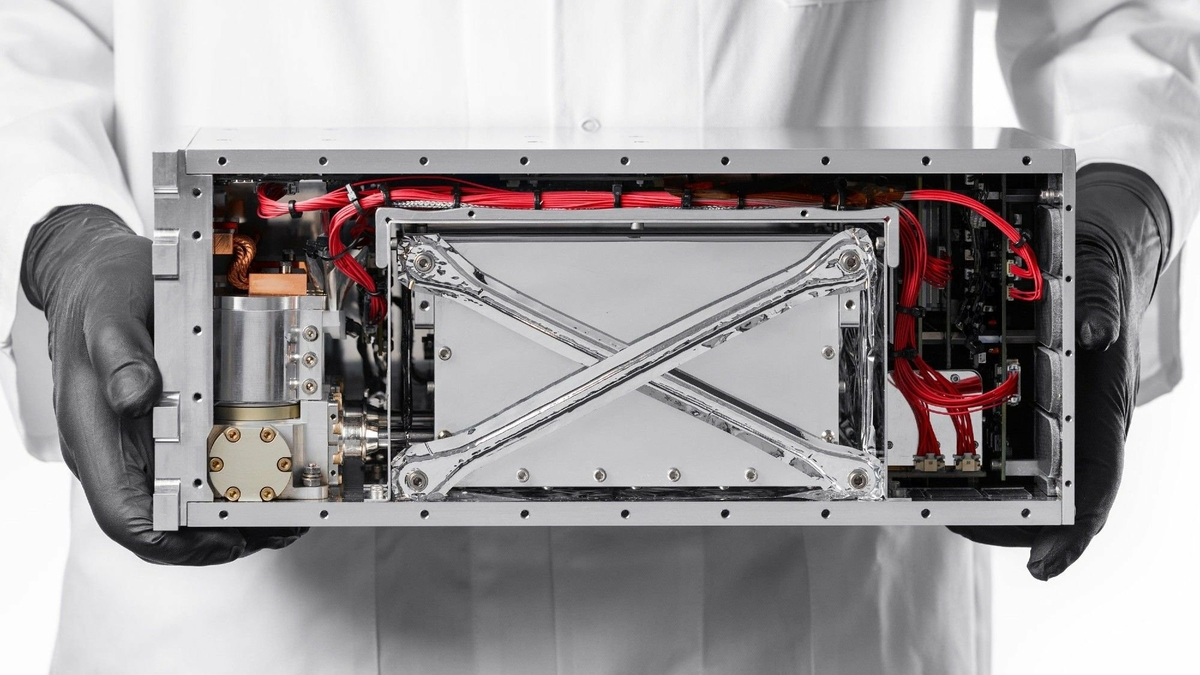
The New Zealand company Zenno Astronautics successfully validated its system in orbit Supertorquera thruster using superconducting electromagnets.
Launched aboard the satellite Mira of the company Impulse Space last November, this device the size of a shoebox can control the orientation of a satellite without consuming a single drop of fuel by interacting with the Earth’s magnetic field.
The whole thing was put into orbit during the mission Transporter-12 of SpaceX with the ambition of proving that it is possible to control the attitude (orientation) of a satellite without resorting to traditional nozzles.
How does this fuel-free propulsion technology work?
The secret lies in controlled interaction with the earth’s magnetic field. The Supertorquer system uses several electromagnets made of superconducting materials.
By powering them with electricity from the satellite’s solar panels, they generate an extremely powerful magnetic field. This artificial field then interacts with the magnetism natural of the Earth, creating a torque (a rotational force) which makes it possible to rotate the satellite on itself with a high precision.
The trick of this system is to directly transform solar energy, an almost unlimited resource in orbit, into movement. There is no longer any need to carry propellant (rocket fuel) tanks, which considerably lightens satellites and reduces their launch cost.
By modulating the intensity and orientation of the magnetic fields generated, engineers can orchestrate a real orbital ballet to adjust, for example, the aim of antennas or instruments without the slightest jolt due to the ignition of an engine.
What was the main technical challenge to overcome?
The major technological barrier was managing extreme temperatures. In fact, the superconductivitythis property by which a material offers no resistance to electric current, only appears at cryogenic temperatures, here around -200°C.
If space is cold, a satellite exposed to the Sun can quickly reach a ambient temperature of 20°Cway too hot for the magnets to work. The challenge was therefore to create a miniature and efficient space refrigerator.
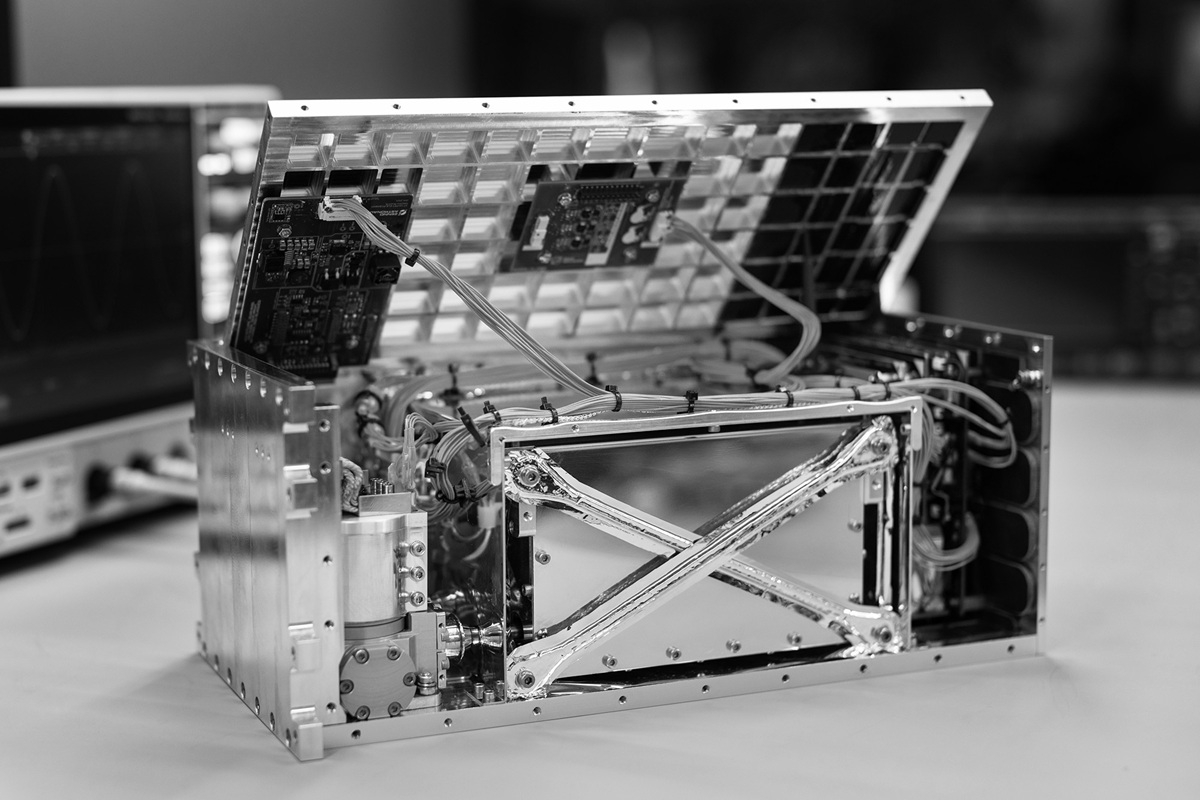
To solve this complex thermal equation, Zenno Astronautics engineers have developed a ingenious cooling system. It combines high-performance multi-layer insulation, which protects the heart of the system from external heat input, and an active heat pump.
The latter captures the unavoidable residual heat and actively evacuates it into space. It is thanks to this technological duo that the Supertorquer can maintain its magnets at the critical temperature and prove that this technology, long confined to terrestrial laboratories, is now perfectly viable in orbit.
What are the future applications of this technology?
In the short term, this technology will extend the life of satellites and reduce their operational costs. A satellite will no longer be scrapped because it runs out of fuel for orientation, but only when its electronic components fail.
But Zenno Astronautics sees much further. More powerful versions of this system could completely transform the space propulsion and operations in orbit, such as docking of ships or proximity maneuvers.
In the longer term, the ambitions are even greater. Zenno CEO Max Arshavsky discusses systems capable of propel missions to the Moon or Mars using only solar energy.
Even more fascinating, these powerful magnetic fields could be used as shields. They would form a sort of protective magnetic “bubble” around a spacecraft to deflect cosmic radiation, which remains one of the greatest dangers to astronauts’ health during long-distance travel.