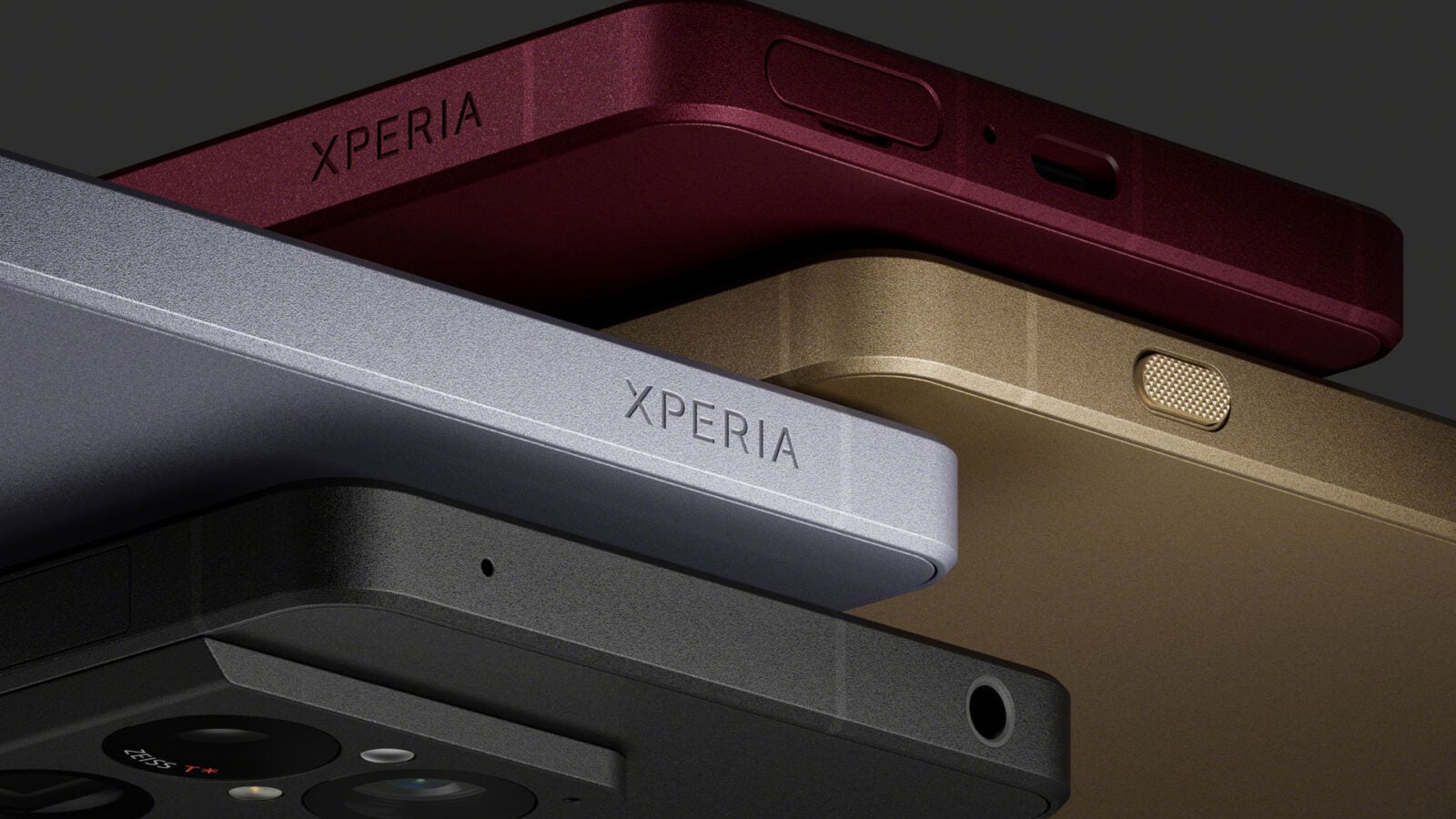
Sony launches the Xperia 1 VIII at 1,499 euros with 3.5 mm jack, physical shutter and three ZEISS sensors. But it is above all a failed comparison of its photo AI on X that is talking about it.
Sony announced the Xperia 1 VIII on May 13, its new flagship smartphone at 1,499 euros. A launch which could have taken place in the usual serenity of the brand, if the official Sony Xperia X account had not immediately published a comparison of its photo AI which triggered an unexpected reaction on the networks. The device has at least managed to get people talking about it, which is not so bad for a range that is regularly the subject of rumors of disappearance.
A photo system revised from top to bottom
The most significant technical novelty of the Xperia 1 VIII concerns the telephoto lens. Sony has integrated a 1/1.56-inch Exmor RS sensor, approximately four times larger than that of the Xperia 1 VII. What is less expected: the 16 mm ultra wide angle has exactly the same 1/1.56 inch sensor. Having two focal lengths with a sensor of this size on a smartphone remains rare, even in the premium segment. The main focal length of 24 mm is based on a 1/1.35 inch Exmor T sensor at f/1.9, the largest of the trio.
The entire system is therefore based on three ZEISS certified lenses: 16 mm, 24 mm and 70 mm in 35 mm equivalent, with an AF/AE burst mode up to 30 frames per second and 4K HDR video recording up to 120 frames per second. Multi-frame RAW processing is applied at all focal lengths to simultaneously expand dynamic range and reduce low-light noise. The hybrid zoom increases to x17.5 from the main module.
The other argument of this launch is the AI Camera Assistant, powered by Xperia Intelligence. When the device points towards a subject, the system is responsible for recognizing the scene and receiving rendering suggestions before triggering: color nuances, bokeh effects, choice of lens. Everything is based on Creative Look technology, inherited from Sony’s Alpha devices. A promising idea on paper, but the brand’s communication is enough to leave one doubtful.
When photo AI does the opposite of what it promises
To promote the AI Camera Assistant, the official Sony On the example of the sandwich, the reaction under the post was immediate and clear: the version processed by the AI appears clearer, flatter, and frankly less appetizing than the raw one.
The new AI Camera Assistant* with Xperia Intelligence brings stories to life. Using subject, scene and weather, it suggests expressive options with adjustments of colour, exposure, bokeh, and lens for breathtaking photos*.https://t.co/zgSQ9MLWFP#SonyXperia #Xperia1VIII pic.twitter.com/1dsBeCNvhE
— Sony | Xperia (@sonyxperia) May 14, 2026
Exactly what is happening remains difficult to decide. A reversal of the labels is possible, but Sony normally has several levels of validation before publication. The other explanation, less flattering, has to do with the brand’s photographic philosophy: for years, the Xperia has relied on the neutrality and fidelity to the rendering of an Alpha device, which produces less aggressively processed images than at Google, Samsung or Xiaomi. AI Camera Assistant does not retouch in post-processing and suggests settings before shooting. The result visible on the sandwich is therefore probably the real rendering of the system, applied to a subject which lives precisely from its shadows and its depth.
Faced with the controversy, Sony published an update on A useful clarification on how the tool works, but which does not answer the real question: why does the result presented in the brand’s own comparison appear less flattering than the original?
Following the post about AI Camera Assistant, we’d like to explain the feature in more detail. It doesn’t edit photos after shooting – it suggests 4 settings in different creative directions based on the scene and subject. You can choose any option or use your own settings. pic.twitter.com/FO1u4jGFMW
— Sony | Xperia (@sonyxperia) May 15, 2026
The two other comparisons published, an outdoor portrait and a flower in a vase, also give more contrasting results. The photo of the vase does well by offering better isolation of the subject and a warmer rendering, but the outdoor portrait appears overexposed.
Snapdragon 8 Elite Gen 5, Android 16 and six years of updates
Under the hood, the Xperia 1 VIII features the Snapdragon 8 Elite Gen 5, with 12 GB of RAM in the 256 GB version and 16 GB for the 1 TB model. Sony announces a performance gain of 20% compared to the previous generation. The battery goes up to 5,000mAh, with USB-PD fast charging and Qi wireless charging. Autonomy is announced for up to two days under standard usage conditions.
On the software side, the phone comes running Android 16 with the guarantee of four major OS updates and six years of security patches.
Screen, design and audio
The 6.5-inch OLED screen displays in FHD+ (1080 x 2340 pixels) with a 120 Hz refresh rate and 10-bit tonal gradient. The 19.5:9 format retains the elongated silhouette characteristic of the Xperia, in a case measuring 162 x 74 x 8.3 mm and weighing 200 grams. Protection is provided by Gorilla Glass Victus 2 on the front, Victus on the back, with IP65/68 certification.
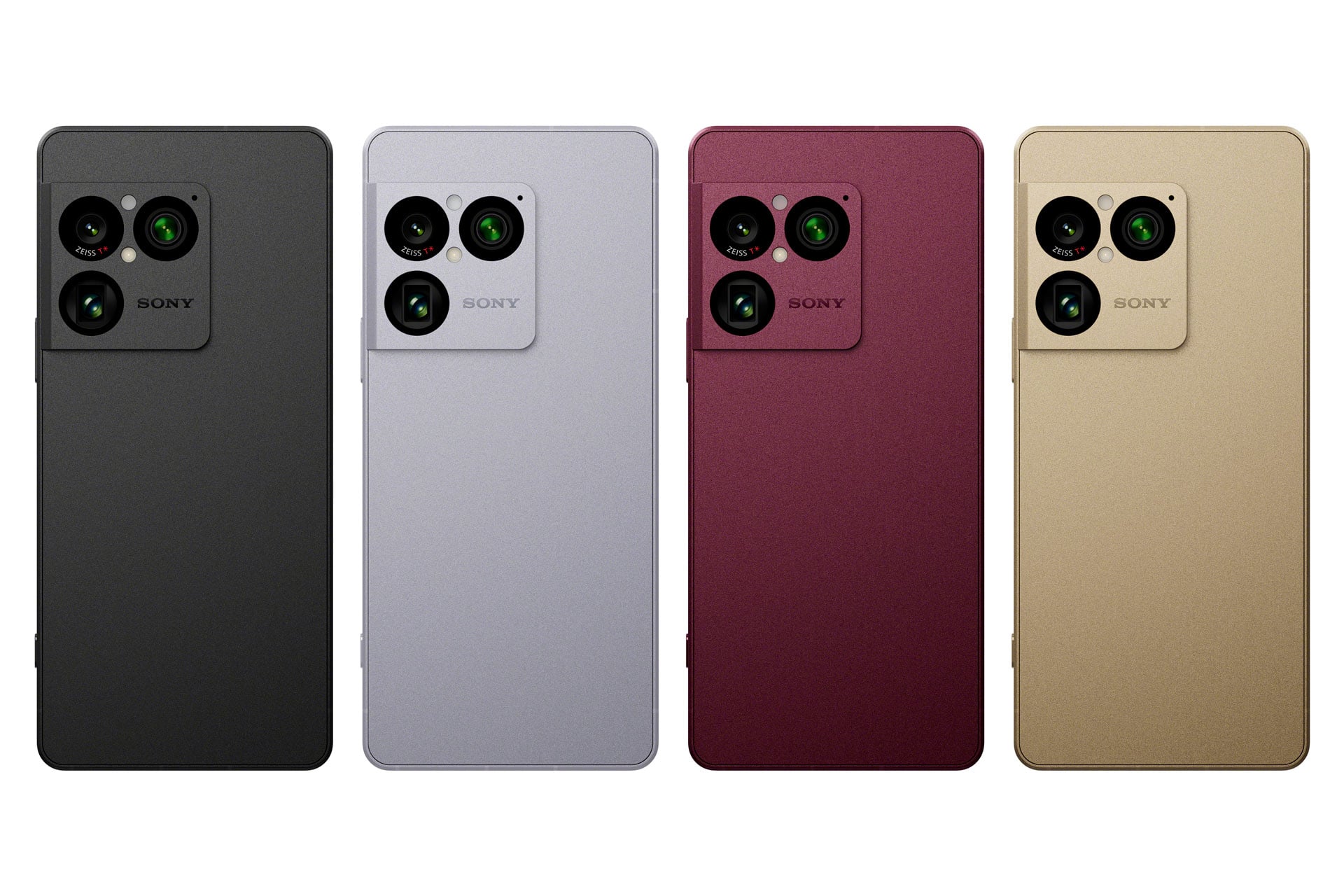
The ORE design comes in four colors: Graphite Black, Iolite Silver, Garnet Red and Native Gold. Sony retains the dedicated physical shutter button and 3.5mm jack, accompanied by redesigned Full-Stage stereo speakers and Dolby Atmos and 360 Reality Audio compatibility. In terms of connectivity, Wi-Fi 7 and Bluetooth 6.0 are included, with a USB-C 3.2 port supporting DisplayPort output in 4K at 60 frames per second.
Price and availability
The Xperia 1 VIII has been available for pre-order since May 13 at 1,499 euros for the 256 GB version, in three colors. The 1 TB model in Native Gold is offered at 1,999 euros, exclusively on the Sony website. During the pre-order period, any purchase of the smartphone entitles you to a Sony WH-1000XM6 headset. The actual availability date was not communicated at the time of the announcement.
👉🏻 Follow tech news in real time: add 01net to your sources on Google, and subscribe to our WhatsApp channel.