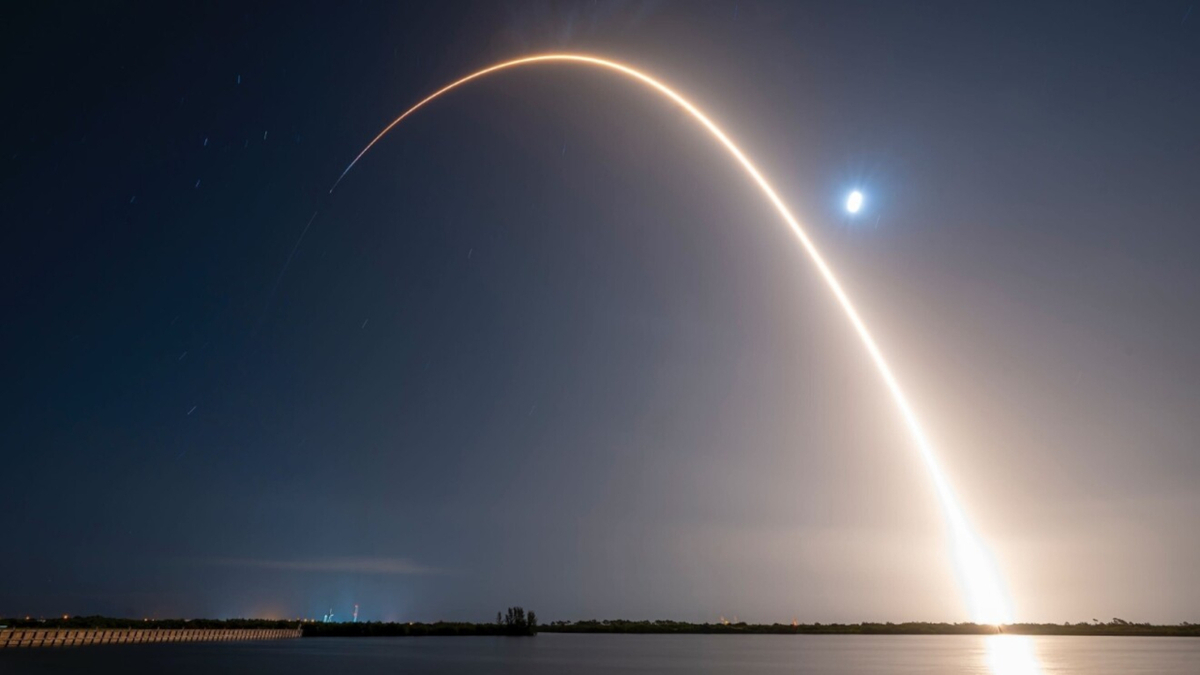
Barely a month after entry into the stock market shattering which had briefly propelled its founder to the rank of first billionaire in history, the title of the space company is wavering dangerously.
SpaceX (SPCX) stock, which had peaked at over 225 dollars mid-June, began a dizzying descent to exchange under 140 dollars From now on.
This plunge erased more than 1100 billion dollars of market capitalization, bringing the company back to where it started. The promise of orbital data centers and synergies with xAI has given way to cooler analysis of fundamentals.
Why is SpaceX stock in free fall?
The main reason for this decline is a brutal return to Earth : speculative euphoria has collided with the wall of financial realities. Investors, initially lured by the narrative of dominance in artificial intelligence, are now looking at the numbers.
And they’re not necessarily bright. In 2025, for a turnover of 18.6 billion dollars, SpaceX recorded a net loss of 4.9 billion. This situation raises a simple question: is the company’s stratospheric valuation justifiable? The fall in share value today seems to sanction this disconnection.
Beyond the losses, technical factors weigh heavily on the price. Recent inclusion in the index Nasdaq 100 did not have the expected effect, with passive index funds even seeming to accentuate the selling pressure.
Above all, the market seems to be “choking” with a colossal floating of more than 13 billion shares outstanding. The aura ofElon Musk is no longer enough to mask what increasingly looks like a warning signal for investors accustomed to more linear growth.
Does international competition really threaten SpaceX?
For years, SpaceX has enjoyed a near-monopoly on reusable rocket technology, its main competitive advantage. However, this technological monopoly crumbles. China recently successfully demonstrated its ability to recover a stage of its Long March rocket at sea.

This challenge does not come only from Beijing. Japanese engineers have also reported significant progress in their own reusable launcher programs.
SpaceX’s lead remains real but it is no longer perceived as unsurpassable. For investors, this means that future margins and market dominance launches, once taken for granted, are now subject to caution. The space race has once again become a fierce global competition.
Can the next Starship flight reverse the trend?
This is the hope that investors cling to…but it is a high-risk bet. The Starship program is considered the real engine of growth future of the company, and its destiny is closely linked to that of the action.
The good news is that the United States Aviation Agency (FAA) has formally closed its investigation into a previous failure and has given the green light for the next test flight (the 13th, quite a symbol). This launch is therefore imminent and is of capital importance.
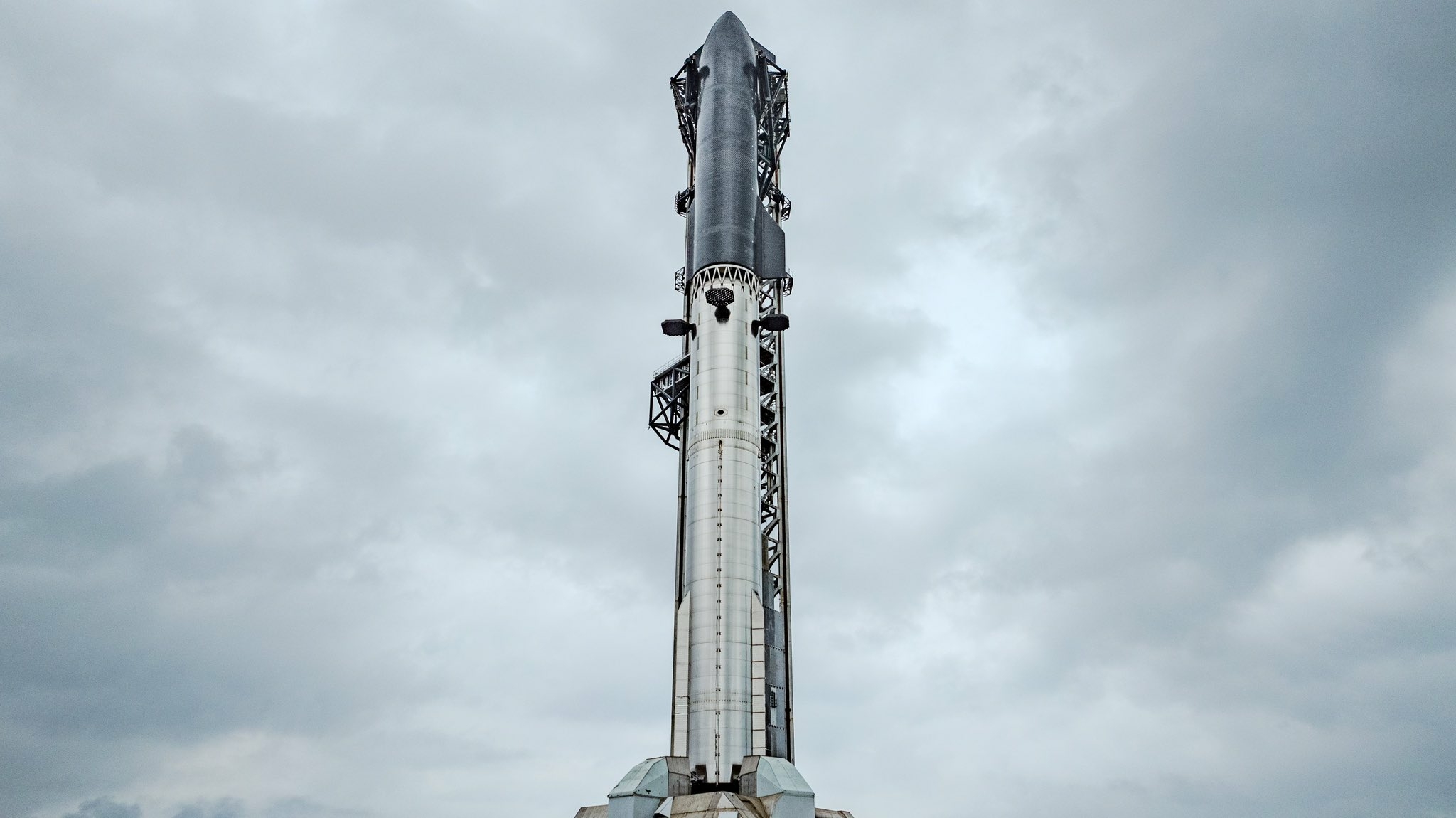
This test will have a special flavor: for the first time, the rocket must carry a functional payload: 20 satellites Starlink third generation. A success would validate the viability of the heavy launcher and send an extremely positive signal to the markets by proving that innovation is still at the heart of the company.
Conversely, a new failure would be devastating and could permanently entrench the title in turmoil by confirming doubts about the company’s ability to keep its most ambitious promises.