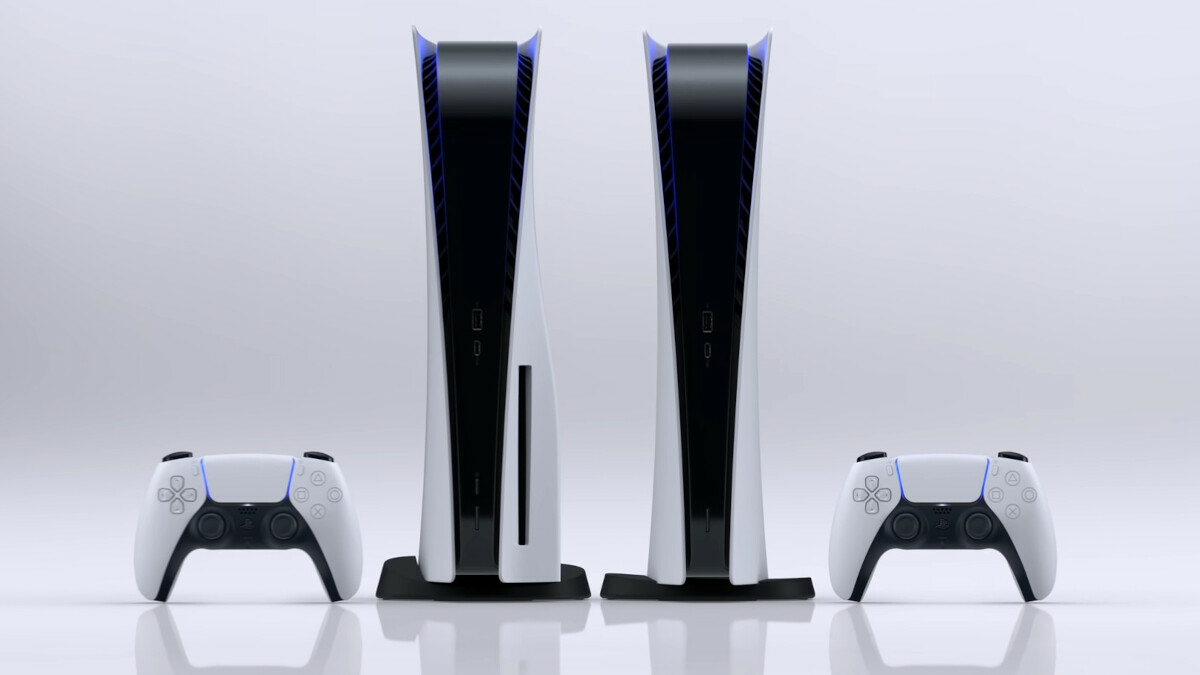
The horizon for the next generation of consoles is getting darker. While players were hoping for an exit from the PlayStation 6 for 2027, a financial document from the Embracer group forcefully relaunches the hypothesis of a significant delay. The report, based on market analyses, suggests that Sony would consider delaying the launch of its new machine to 2028 or even 2029creating palpable uncertainty in the industry.
Why is the components crisis blocking Sony’s schedule?
The main obstacle identified is order economic and industrial. Two major factors are singled out: the volatility of customs duties in the United States, a crucial market for PlayStation, and above all, the insatiable appetite of the gaming sector.IA for high performance RAM.
This explosive demand is causing the RAM priceand essential component for a new generation console. The integration of GDDR7 memory, vital for the expected performance, would then become so expensive that it would threaten the final sale price of the console, making it potentially inaccessible for a large part of the public.
Do hardware insiders and experts agree?
Faced with this pessimistic scenario, a counter-narrative emerges insider circles. Several leakers and analysts specializing in the semiconductor supply chain, such as Kepler_L2 or Moore’s Law Is Dead, firmly reject the idea of such an important postponement. Their argument is based on industrial commitments already taken by Sony.
According to their information, the manufacturer has already secured crucial production capacities with its partners, notably TSMC for the manufacturing of processors (APU) in 3 nm. Canceling or postponing these contracts would cost hundreds of millions of dollars in penalties and cause Sony to lose a hard-won priority, which would be more economically painful than absorbing a temporary increase costs.
What is the most credible scenario for the release of the PS6?
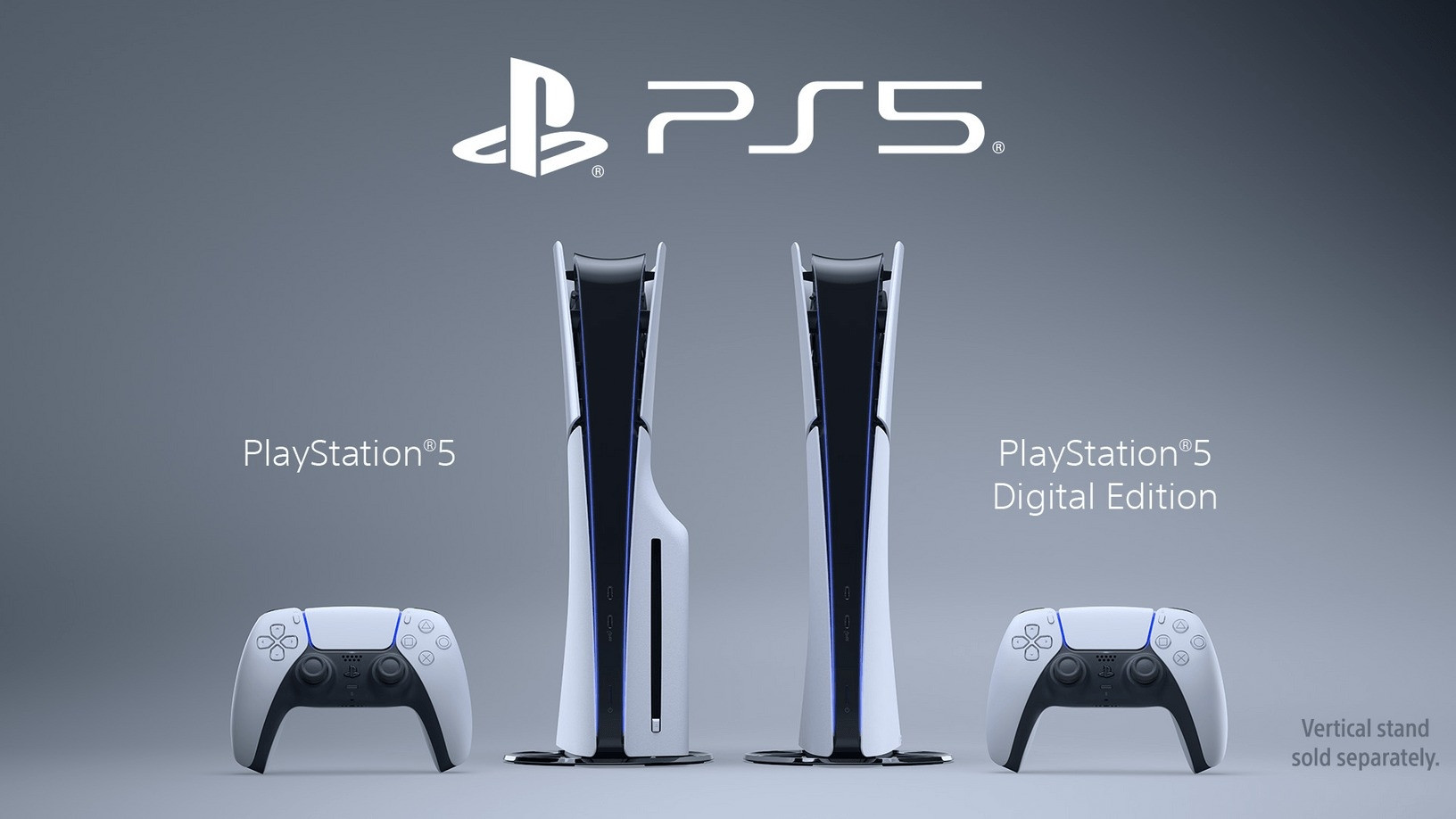
The debate remains open, but the thesis of maintaining the initial timetable retains solid arguments. For many observers, delaying a console whose development is already well advanced would not make strategic sense. Sales of the PS5 are starting to slow down naturally and there is no guarantee of a significant drop in the price of memory by 2030.
Waiting would risk leaving the field open to competition, particularly to next Xbox. The most likely scenario therefore remains launch at the end of 2027or at the latest at the beginning of 2028. Sony could choose to launch its machine with a reduced margin initially, even if it means adjusting the price later to gain market share once production costs have stabilized.