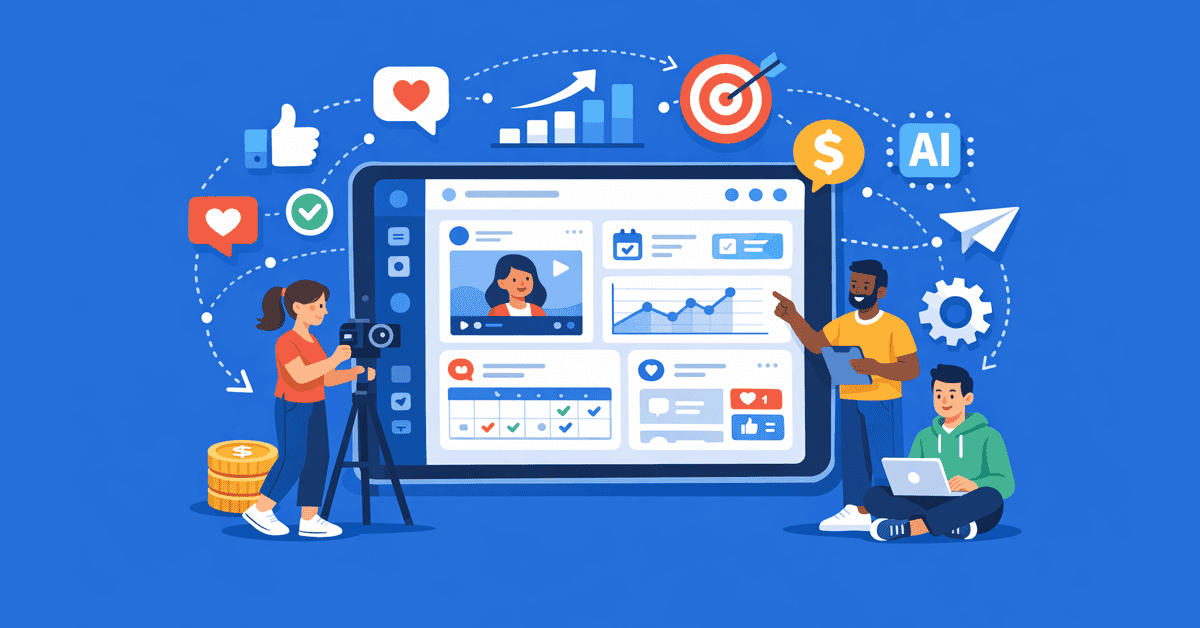
Social media has transitioned from a peripheral digital tool to a central force that defines how the internet operates today. In its early stages, platforms were primarily designed for interpersonal communication—sharing updates, photos, and messages among friends and family. However, over time, social media has evolved into a complex ecosystem that intersects with nearly every aspect of the digital world, including commerce, communication, entertainment, education, and governance.
At its core, social media has restructured the way information flows. Instead of top-down communication controlled by a few institutions, we now operate in a many-to-many communication model where individuals, brands, and organizations all contribute to the digital conversation. This shift has blurred the lines between content creators and consumers, giving rise to a participatory culture where engagement is as important as creation.
The digital landscape today is heavily shaped by how social media platforms prioritize content, facilitate interactions, and monetize attention. Understanding its role is essential not just for marketers or businesses, but for anyone navigating the modern internet. From influencing global trends to shaping personal opinions, social media’s reach is both expansive and deeply embedded in everyday life.
Social Media as a Content Distribution Engine
One of the most transformative roles of social media is its function as a content distribution engine. Unlike traditional media channels, which relied on editorial gatekeeping and scheduled programming, social media allows content to be published and disseminated instantly by anyone with access to the internet.
This democratization of content distribution has significantly lowered barriers to entry. Independent creators, small businesses, and niche communities can now reach global audiences without requiring institutional backing. This has led to an explosion of diverse content, ranging from educational material and entertainment to niche expertise and personal storytelling.
Image Source
Another defining aspect of social media distribution is its reliance on algorithms. Platforms prioritize content based on engagement signals such as likes, shares, comments, and watch time. This means that content quality is often judged by audience interaction rather than traditional editorial standards. While this increases opportunities for visibility, it also introduces volatility, where content performance can be unpredictable and influenced by rapidly changing trends.
Moreover, the real-time nature of social media has accelerated the news cycle. Information spreads within minutes, making platforms primary sources for breaking news and updates. However, this speed also raises concerns about accuracy and verification, as content is often shared before being fully validated.
In essence, social media has transformed content distribution into a dynamic, user-driven process that prioritizes engagement, speed, and accessibility.
Influence on Consumer Behavior
Social media has fundamentally redefined consumer behavior by integrating discovery, evaluation, and purchasing into a seamless digital experience. The traditional linear buyer journey—awareness, consideration, decision—has been compressed into a fluid process influenced heavily by social interactions.
In the discovery phase, users are exposed to products and services organically through their feeds. This exposure is often driven by influencers, brand content, and user-generated posts rather than direct advertising. As a result, consumers encounter products in contexts that feel more authentic and less intrusive.
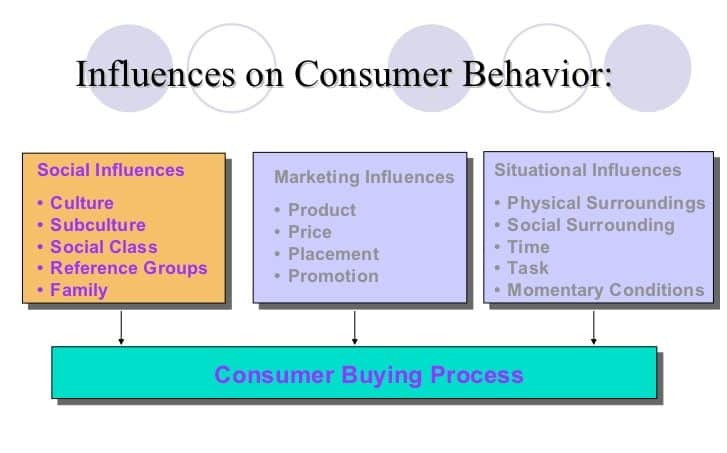
Image Source
The evaluation stage is heavily influenced by social proof. Metrics such as likes, comments, shares, and reviews act as indicators of credibility. Consumers tend to trust peer recommendations and influencer endorsements more than traditional advertisements, as they perceive them to be more genuine.
Social media also facilitates immediate action. Features like shoppable posts, integrated checkout systems, and direct messaging allow users to move from interest to purchase without leaving the platform. This reduces friction and shortens the decision-making process.
Additionally, social media enables continuous engagement between brands and consumers. Post-purchase interactions, customer support, and community building all take place within the same ecosystem, fostering long-term relationships.
Overall, social media has shifted consumer behavior from a structured journey to a continuous loop of discovery, engagement, and conversion.
Brand Building and Digital Identity
In the modern digital landscape, social media serves as a primary platform for brand building and identity formation. It is no longer sufficient for brands to have a static online presence; they must actively engage with their audience and maintain a consistent, dynamic identity.
One of the key advantages of social media is its ability to humanize brands. Through storytelling, behind-the-scenes content, and interactive posts, brands can present themselves as relatable and approachable. This emotional connection plays a crucial role in building trust and loyalty among consumers.
Real-time engagement is another critical factor. Social media allows brands to respond instantly to customer queries, feedback, and even criticism. This responsiveness not only improves customer satisfaction but also demonstrates transparency and accountability.
Consistency across platforms is essential for establishing a strong digital identity.
Maintaining consistency in written communication is equally important for a strong digital identity. Even small formatting inconsistencies, such as improper capitalization or mixed text styles, can impact how a brand is perceived. Ensuring uniformity across headlines, captions, emails, and social posts helps reinforce professionalism and clarity. This is where tools like a case converter become useful, allowing marketers to quickly standardize text into sentence case, uppercase, or title case formats. By streamlining content formatting, businesses can maintain a cohesive brand voice across platforms while improving readability and user experience in their digital communication.
Brands must align their messaging, tone, and visual elements to create a cohesive presence. This consistency reinforces brand recognition and helps differentiate them in a crowded digital space.
Personal branding has also gained prominence, with individuals leveraging social media to establish authority and influence. Entrepreneurs, professionals, and creators use these platforms to share insights, showcase expertise, and build communities around their personal narratives.
Ultimately, social media has transformed branding from a one-way communication process into an interactive, relationship-driven strategy.
Data Generation and Analytics
Social media platforms are among the most data-rich environments in the digital ecosystem. Every user interaction—whether it’s a like, comment, share, or click—generates data that can be analyzed to extract meaningful insights.
This data provides a deep understanding of user behavior which is essential during the discovery phase of a project when defining user needs and product direction Businesses can identify patterns in content consumption, preferences, and engagement, allowing them to tailor their strategies accordingly. For example, analyzing which types of posts generate the most engagement can inform future content creation.
Optimizing visual content is another critical factor often overlooked in performance analysis. High-quality images can drive engagement, but large file sizes can negatively impact page speed and user experience. This is where efficient image formats like WebP become essential. By converting images into lighter formats, businesses can significantly improve loading times without compromising quality. Faster-loading content not only enhances user retention but also positively influences search engine rankings. Tools like an image to WebP converter can streamline this process, ensuring that visual assets are optimized for both performance and scalability across digital platforms, especially in data-driven content strategies.
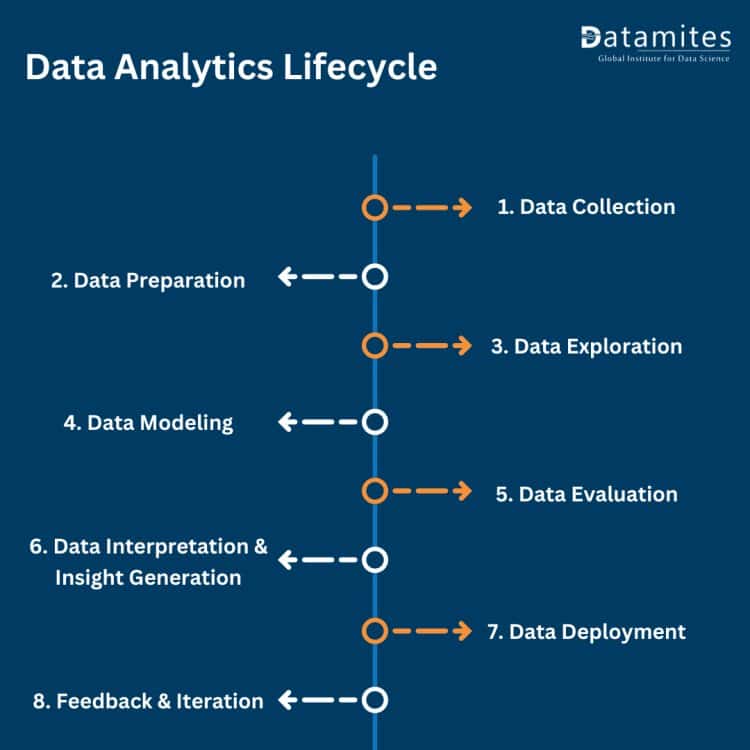
Image Source
Algorithmic personalization is a direct result of this data-driven approach. Platforms use sophisticated machine learning models to curate content feeds that align with individual user interests. While this enhances user experience by making content more relevant, it also creates filter bubbles where users are exposed to limited perspectives.
For marketers, social media analytics offer real-time performance tracking. Metrics such as reach, impressions, engagement rate, conversion rate, and marketing efficiency ratio provide immediate feedback on campaign effectiveness. This enables continuous optimization and more efficient allocation of resources.
However, the extensive use of data also raises ethical concerns. Issues related to data privacy, consent, and security have become increasingly important, prompting discussions around regulation and responsible data usage.
In summary, data generation and analytics are central to how social media operates, influencing both user experience and business strategies.
Cultural and Societal Impact
Social media’s influence extends far beyond the digital realm, significantly impacting culture and society. It has become a powerful tool for shaping public opinion, driving social movements, and influencing cultural norms.
One of the most visible impacts is the rapid formation and dissemination of trends. Memes, challenges, and viral content often originate on social media and quickly spread across the globe. These trends can influence language, fashion, entertainment, and even consumer behavior.
Social media also plays a critical role in public discourse. It provides a platform for individuals to express their views on social, political, and environmental issues. This has enabled the rise of grassroots movements, where collective voices can drive awareness and change.
At the same time, the accessibility of information on social media has both positive and negative implications. While it democratizes knowledge and provides diverse perspectives, it also facilitates the spread of misinformation. The lack of rigorous content verification can lead to the انتشار of false or misleading information, impacting public perception and decision-making.
Furthermore, social media has reshaped how communities are formed. People with shared interests, values, or experiences can connect regardless of geographical boundaries, fostering a sense of belonging and collective identity.
Overall, social media acts as a cultural amplifier, influencing how ideas are created, shared, and adopted.
Impact on Digital Marketing Strategies
The rise of social media has fundamentally transformed digital marketing strategies. Traditional marketing approaches, which focused on mass communication and one-way messaging, have been replaced by more interactive and customer-centric models.
One of the most significant shifts is from push marketing to pull marketing. Instead of interrupting users with advertisements, brands now focus on creating valuable content that attracts and engages audiences organically. This requires a deep understanding of audience preferences and behavior.
Content has become the cornerstone of digital marketing. High-quality, relevant, and engaging content is essential for capturing attention and driving interaction. Formats such as videos, stories, and live streams have gained prominence due to their ability to convey information quickly and effectively.
Influencer marketing has emerged as a powerful strategy within this ecosystem. By collaborating with individuals who have established credibility and a loyal following, brands can reach targeted audiences in a more authentic way. This approach often results in higher engagement and trust compared to traditional advertising.
Social media also enables precise targeting and segmentation. Advertisers can tailor their campaigns based on demographics, interests, and behavior, ensuring that their messages reach the most relevant audience.
In essence, social media has made digital marketing more dynamic, data-driven, and relationship-focused.
The Role of Social Media in Innovation
Social media platforms are not just passive tools; they actively drive innovation within the digital landscape. Their continuous evolution has introduced new features and functionalities that redefine how users interact online.
One area of innovation is content formats. Features such as short-form videos, ephemeral stories, and live streaming have transformed how content is consumed. These formats cater to shorter attention spans and the demand for real-time interaction.
Social media platforms also integrate emerging technologies to enhance user experience. Artificial intelligence is used for content recommendation, moderation, and personalization. Augmented reality enables interactive filters and immersive experiences, particularly in areas like gaming and e-commerce.
Another significant aspect is the integration of social media with other digital systems. For example, the incorporation of e-commerce functionalities allows users to browse and purchase products directly within the platform. This convergence of social interaction and commerce is reshaping the digital economy.
Additionally, social media serves as a testing ground for new ideas. Features that gain traction on one platform are often adopted by others, driving industry-wide innovation.
Overall, social media acts as both a catalyst and a platform for technological advancement.
Challenges and Ethical Considerations
Despite its many advantages, social media presents several challenges and ethical considerations that impact the digital landscape. These issues are complex and require careful management by platforms, users, and regulators.
Privacy is one of the most pressing concerns. The extensive collection and use of personal data raise questions about consent, transparency, and security. Users often have limited control over how their data is used, leading to concerns about misuse and breaches.
Misinformation is another significant challenge. The speed at which content spreads on social media makes it difficult to verify accuracy. False information can quickly gain traction, influencing public opinion and potentially causing harm.
Content moderation is closely related to this issue. Platforms must balance the need to prevent harmful content with the principle of free expression. This involves complex decisions about what constitutes acceptable content and how to enforce guidelines.
Mental health is also a growing concern. The design of social media platforms often prioritizes engagement, which can lead to excessive usage. This has been linked to issues such as anxiety, depression, and reduced self-esteem, particularly among younger users.
Addressing these challenges requires a collaborative approach involving technological solutions, regulatory frameworks, and increased user awareness.
The Future of Social Media in the Digital Landscape
The future of social media is poised to be even more integrated and influential. As technology continues to evolve, social media platforms will likely expand their role within the digital ecosystem.
One emerging trend is decentralization. New platforms are exploring models that give users greater control over their data and content. This could lead to more transparent and equitable digital environments.
Advancements in artificial intelligence will further enhance personalization. Content feeds will become increasingly tailored to individual preferences, improving user experience but also raising questions about diversity of information.
The integration of social media with immersive technologies, such as virtual and augmented reality, is another key development. These technologies will enable more interactive and engaging experiences, potentially leading to the creation of virtual social environments.
Additionally, social commerce is expected to grow, with platforms becoming primary channels for online shopping. This will further blur the lines between social interaction and economic activity.
In conclusion, the future of social media will be defined by its ability to adapt to technological advancements while addressing the challenges it presents.
Referral Marketing and the Power of Social Amplification
An increasingly important dimension of social media’s role in the digital landscape is its ability to amplify referral-based marketing. Traditional word-of-mouth has evolved into digital referrals, where recommendations are shared instantly across networks, reaching far wider audiences than ever before.
Social media platforms provide the ideal environment for referral marketing to thrive. Users frequently share products, services, and experiences with their followers, often motivated by incentives or simply by positive experiences. This creates a network effect where each recommendation has the potential to generate exponential visibility and influence.
Platforms like ReferralCandy exemplify how businesses can systematize and scale this process. By automating referral programs and integrating them with e-commerce and social channels, tools like ReferralCandy enable brands to turn satisfied customers into active promoters. These systems track referrals, reward users, and streamline the sharing process, making it easy for customers to advocate for brands within their social circles.
The effectiveness of referral marketing lies in trust. Recommendations from friends, family, or peers carry significantly more weight than traditional advertising. When combined with the reach and immediacy of social media, this trust becomes a powerful driver of customer acquisition and retention.
Moreover, referral marketing aligns naturally with user-generated content. Customers often share their experiences through posts, stories, or reviews, further reinforcing authenticity. This organic promotion not only reduces marketing costs but also enhances brand credibility.
Final Thoughts on Social Media in Shaping the Digital Landscape
Social media has become a defining force in shaping the digital landscape. Its influence spans content distribution, consumer behavior, branding, data analytics, culture, and innovation. It has transformed how individuals and organizations interact, communicate, and conduct business in the digital age.
While it offers immense opportunities for growth and connectivity, it also presents significant challenges that must be addressed. As social media continues to evolve, its role will only become more central, making it essential for users and organizations to understand and navigate its complexities effectively.
In many ways, social media is not just shaping the digital landscape—it is the digital landscape.