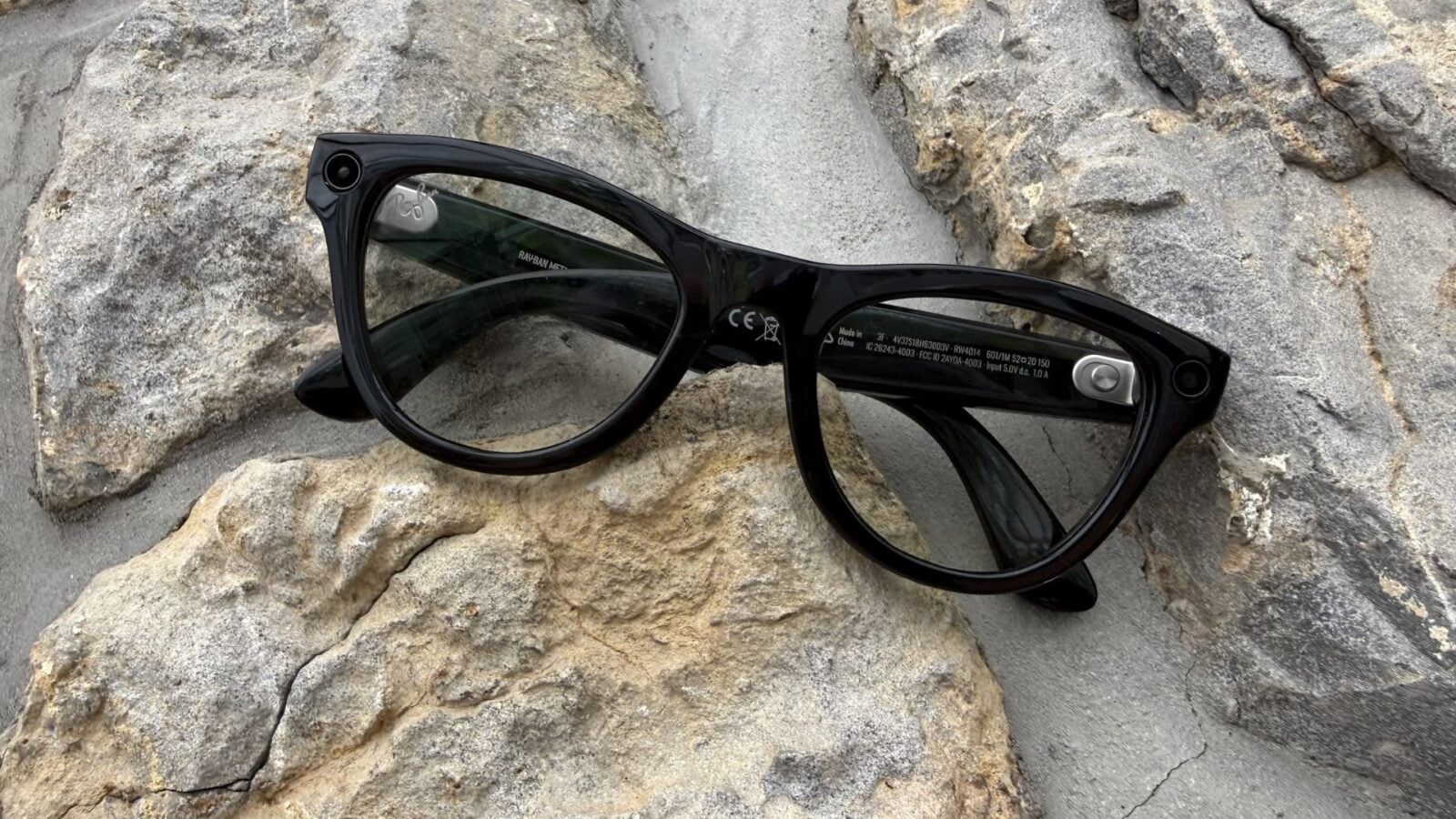
A few months ago, Meta renewed its range of connected glasses with a brand new pair of smart Ray-Ban, the Meta Gen 2 Ray-Type. While waiting for the release in Europe of the first Meta glasses equipped with a screen, this new pair allows the two brands to occupy the field… without crowding too much. The proposal is in fact very close to the first version, one of the bestsellers of last year. As the brand explains, “all the features you love » have been retained, but they benefit from a series of improvements “important to make it an even more efficient companion”.
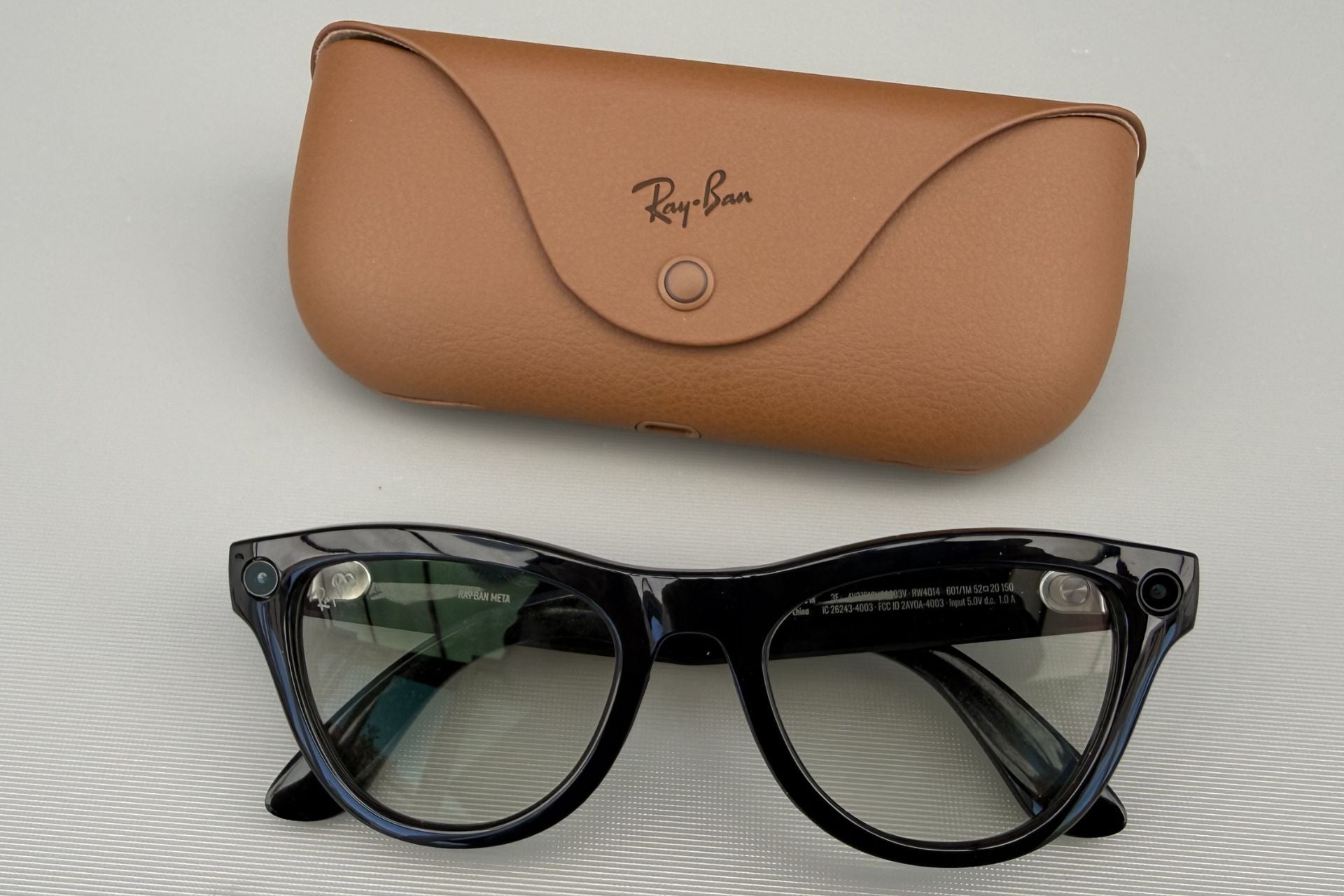
Meta offers the Ray-Ban Gen 2 at the starting price of 419 euros in France. Depending on the frame chosen and the lenses, the price can rise up to 499 euros. As part of this test, Meta lent us a pair of Gen 2 Skyler typewith blue transition lenses, which become darker in response to light.
Also read: Meta postpones the launch in France of its new Ray-Ban Display glasses
An unchanged design
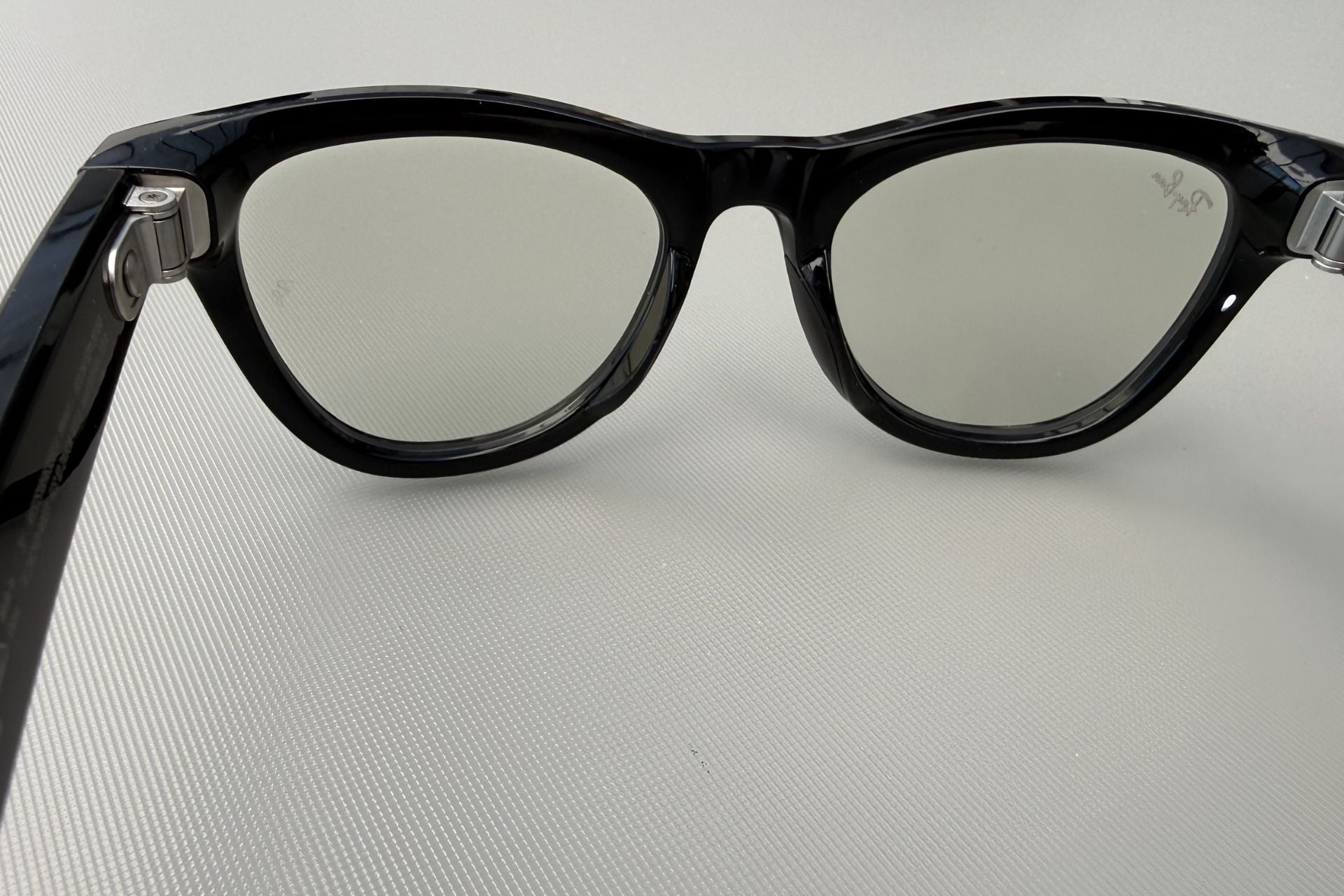
From an aesthetic point of view, the new versions do not differ from the original model. We find there a discreet designwhich tends to camouflage the electronics as best as possible. Despite the thicker temples (notably because of the speakers), and the photo sensor on the front, the glasses can pass, at least at first glance, for traditional binoculars.
As long as the LED does not light up, your loved ones will not necessarily realize that you are wearing glasses that contain a mountain of electronics. On the right branch, we find a touchpad, accompanied by the button for the camera. No new touches on the menu for this edition.
Video and photo
Meta takes advantage of this new version to review the hardware inside the glasses. The glasses can now shoot videos in 3Kagainst maximum 1080p for the first model. This is where Gen 2 really shines. This change will delight content creators. Three shooting modes are offered by Meta, namely 1080p at 60 frames per second, 1080p at 30 fps, or 3K at 30 fps for maximum detail. If you choose the two highest qualities, the maximum duration will be limited to three minutes, compared to five minutes for standard recording, by default. Meta has also added ultra-wide HDR, which helps better handle high-contrast scenes.
New video recording options are also on the Gen 2 menu. Meta integrates modes initially reserved for glasses designed with the help of Oakley, namely hyperlapse and slow motion. Used to wearing the glasses during our running sessions, we especially appreciated the hyperlapse mode. This mode records a time-lapse video, and the rendering is quite successful. The slow motion mode is not left out. As its name suggests, the mode allows you to produce sequences artificially slowed down by algorithms.
Unfortunately, these two new functions can only be activated using Meta AI. You cannot start recording in slow motion or hyperlapse mode using a physical key. However, this was the case on the Meta Oakley Vanguard, which inaugurated both functions. We found this limitation very regrettable and impractical. In the middle of a running session, it was easier to press a button to start recording than to shout to contact Meta AI. We greatly regretted the absence of a dedicated physical key, or even a shortcut based on the single button or the touchpad.

Unlike the video, the photo part has not changed one iota. Both generations use the same 12-megapixel wide-angle sensor with a 100-degree field of view. They produce photos at the same resolution of 3024 x 4032 pixels. The photos are therefore identical, and rather successful. In good lighting conditions, it is possible to take beautiful photographs.
Improved audio
There is also improvement on the audio side. Meta announces having integrated more powerful speakers and more efficient microphones. During our test, we listened to a variety of content (music, calls, audiobooks) in different contexts, including on an urban street, in a quiet woods, or in the silence of our home. We can’t speak of a leap forward, but the sound seemed clearer and more complete than on the first models.
The change is noticeable, especially when you push the volume a little. The sound is less likely to saturate. The bass is more present and the vocals stand out better from the rest of the sound, which makes listening to music or podcasts more enjoyable. We mainly used the glasses to listen to audiobooks on Audible, and it was very pleasant… unless you find yourself in a noisy environment. In these cases, you may have difficulty hearing your content correctly. Meta says it has improved the microphones, so voice commands are easily heard. We did not notice any differences on this point. Except in exceptional cases, the glasses have always understood all our orders, and have always provided a quick response.
It is also possible to make calls with the glasses, whether through WhatsApp or Facebook Messenger. With this generation, Meta introduces a function called Conversation Focus. This new feature automatically amplifies the voice of the person you are speaking to while reducing ambient noise. In theory, it should make it easier to hear someone sitting in front of you when you are talking in particularly noisy environments. It is possible to adjust the intensity of the function, depending on where you are and your needs. The option is still reserved for testers who are members of the “early access” program. It will be limited to only three hours of use per month at the time of its release. For more intensive use, you will need a Meta One Premium subscription at $20 per month.
Autonomy and recharging
Meta is once again banking on a charging case, which promises up to 48 hours of battery life. This is still 12 hours more than the first version of the case. On the glasses side, there is an internal battery which guarantees up to eight hours of autonomy, double that of the first generation.
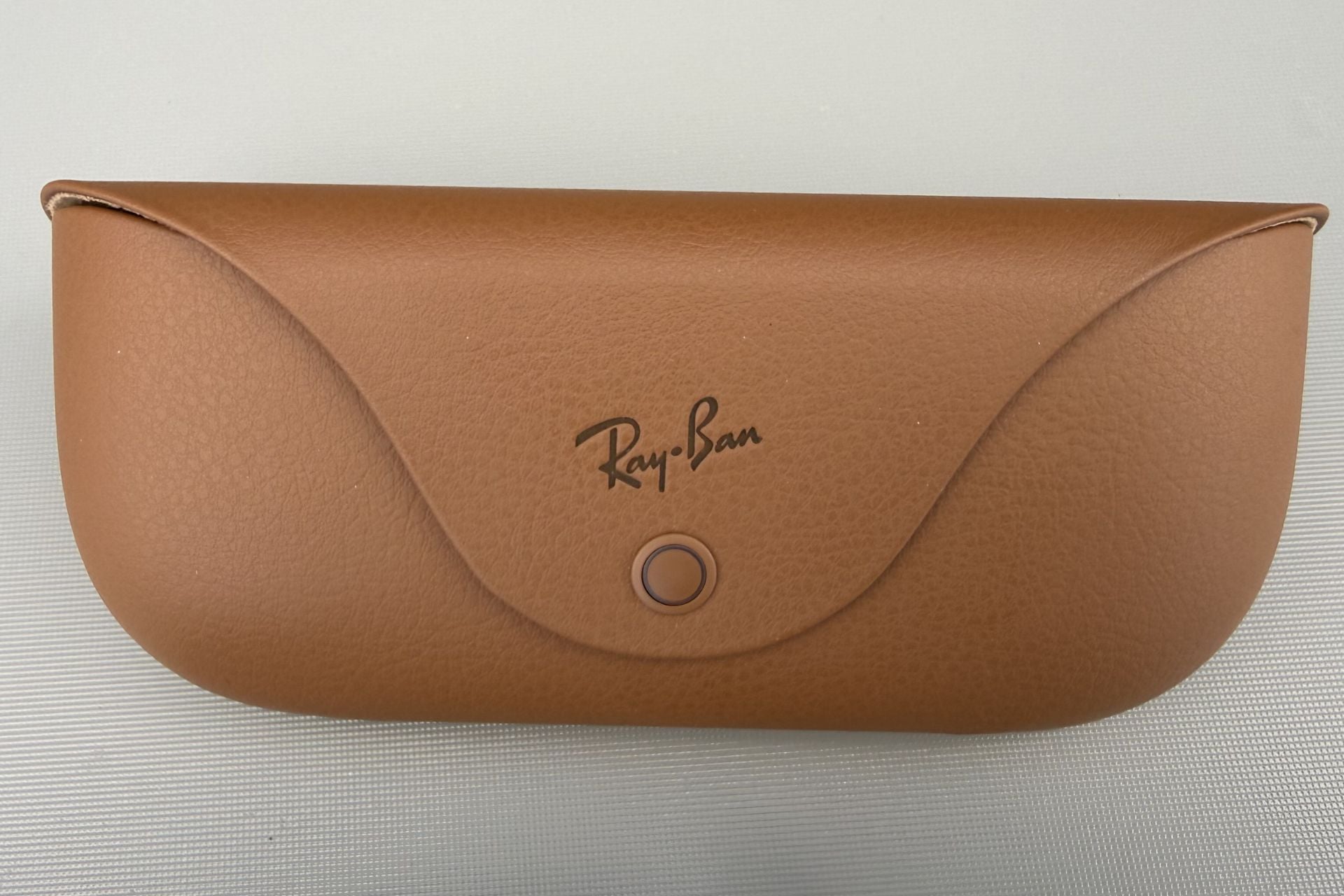
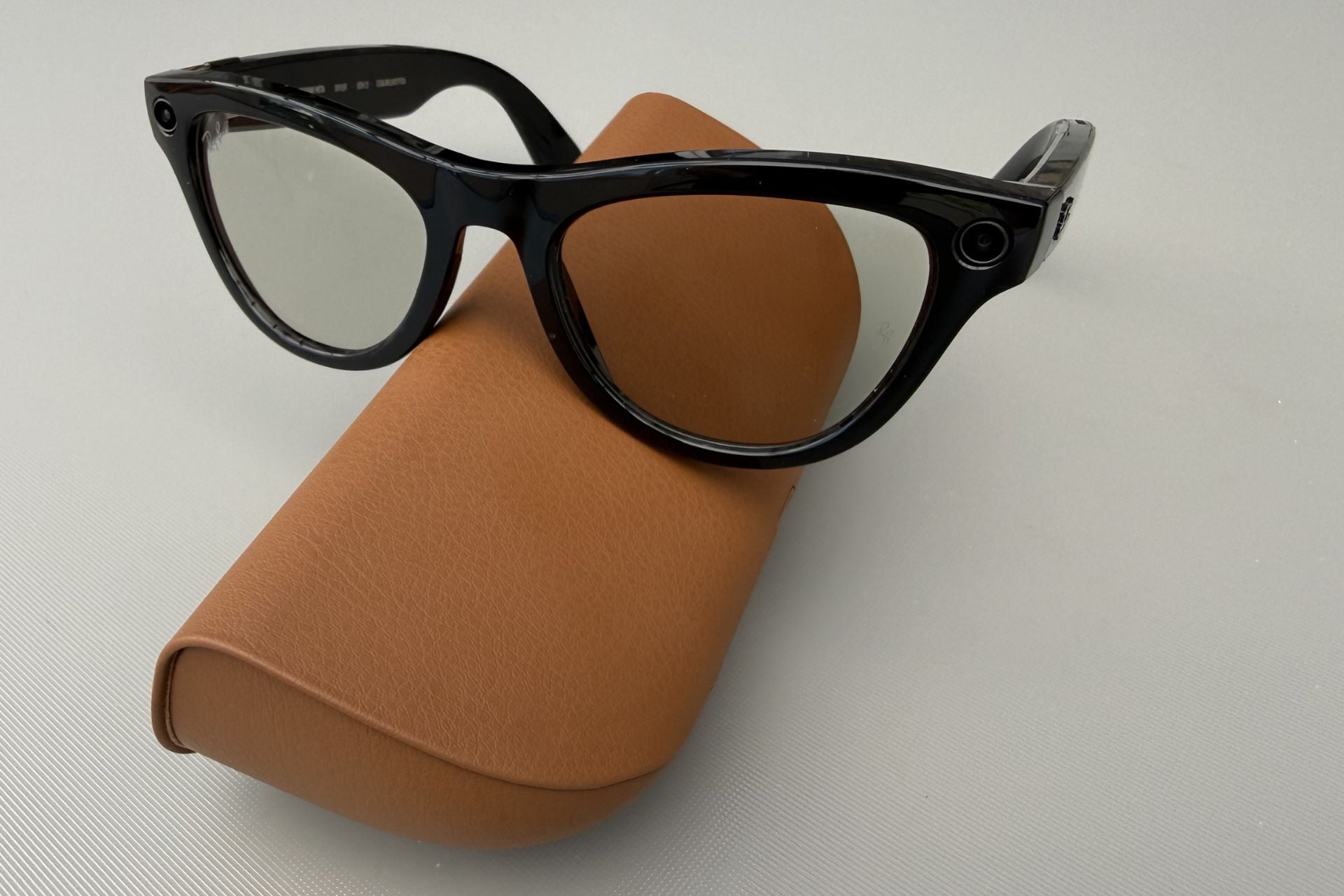
As was the case with the first version, we were delighted by the autonomy of the glasses. It is possible to use it for several hours, even with intensive use, combining calls, music, taking photos and recording short videos. With moderate use, it is possible to last a whole day without the slightest problem. Once the glasses battery runs out, you can slide them into the case.
In just 20 minutes of charging in the case, you can recover 50% of the charge. This was already the case with the first Ray-Bans. In the area of autonomy, Meta has made great improvements. However, the autonomy of the first version was already clearly sufficient. From our point of view, hardware optimizations will only be felt in rare cases. During our few weeks of experimentation, we did not run out of battery life, although we sometimes used the glasses intensively.
L’application Meta AI
Mirroring the brand’s other glasses, including the Vanguard launched with Oakley, the second generation Ray-Ban is accompanied by a smartphone application, Meta AI (formerly Meta View). It is through this application that you will be able to configure the glasses, retrieve recorded content, consult the user guide, or even access instant translation (one of the strong points of Meta’s accessories).
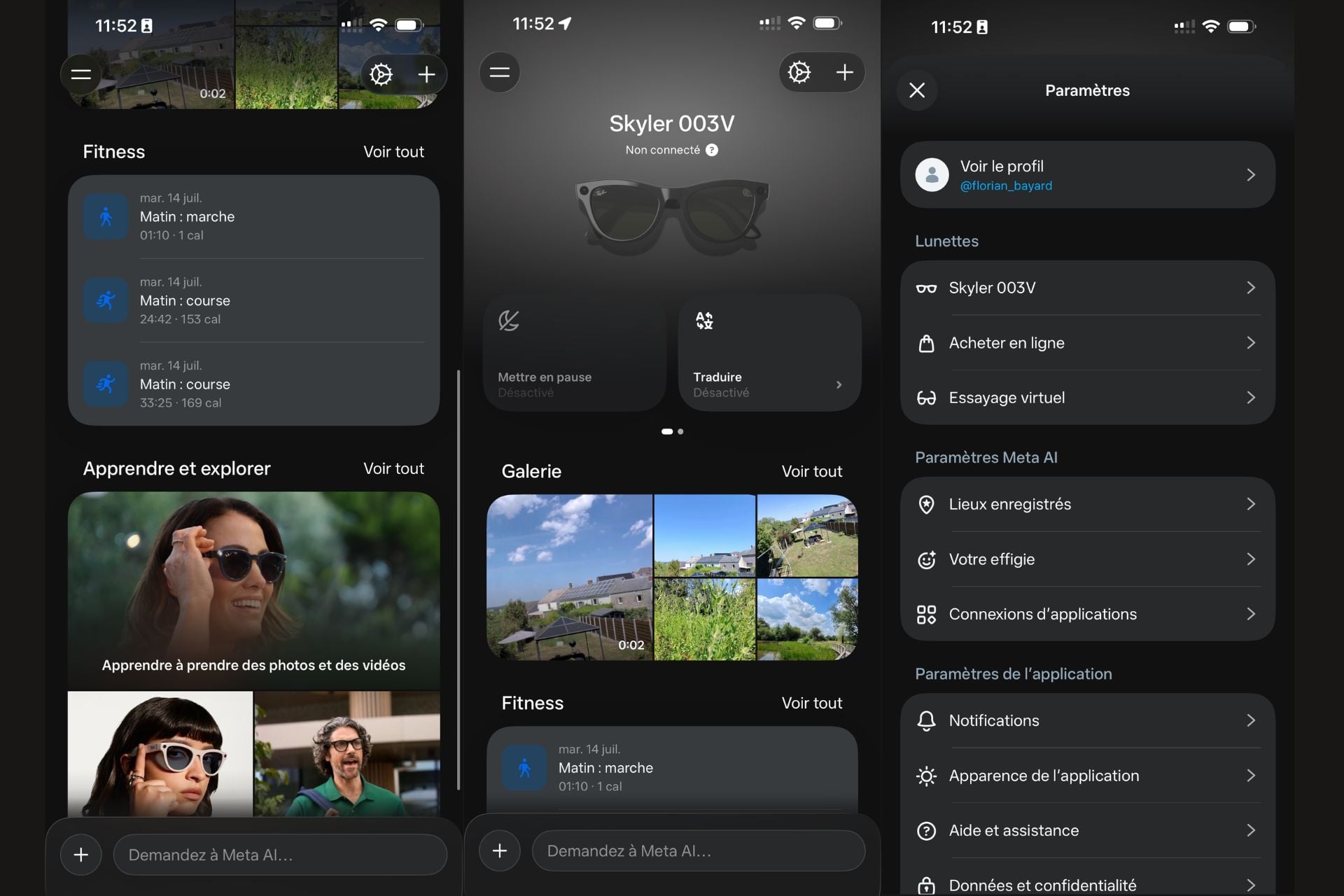
Easy to learn, the application is first of all dedicated to Meta’s generative AI, which is also called Meta AI. To access the section dedicated to connected Ray-Bans, you must go to the Glasses section which is located in the left menu. Once the glasses have been connected to the app, you will find all the photos and videos you have taken in the gallery.
AI and voice control
Meta glasses are also distinguished by the integration of artificial intelligence. By communicating with the voice assistant, you can ask practical questions, such as the weather, or play music. The glasses also have a visual intelligence system. Through the camera fixed in the frame, the smart glasses can see everything you see. They can therefore answer your questions about your environment. For example, you can ask it to describe the building in front of you, tell you if it’s going to rain tonight, or make a call.
The AI hasn’t changed much since we tested the first Ray-Bans. Indeed, the voice assistant included by Meta is convincing, but still light years away from the voice version of ChatGPT, Grok or Perplexity for example. Meta AI continues to provide very rudimentary answersunless you enable the accessibility feature “detailed answers”. The descriptions are then much more detailed, precise and full of information if you ask the AI to describe what is in front of you. We will mention the return of the instant translation function, which always works wonders on less complex conversations.
A very (too) shy update
Taken together, the improvements of this new version can be counted on the fingers of one hand. Furthermore, it is aboutminor improvementswhich we will rather describe as optimizations. The hardware changes are not ambitious enough to transform the use of the accessory.
On a daily basis, the experience is essentially the same as with the first version. We therefore do not advise you to replace your old pair with a pair of Gen 2. Likewise, do not hesitate to opt for the original version if you want to save around 100 euros on the final bill. The first generation Ray-Ban Meta are in fact still available, at a price of 329 euros, compared to a minimum of 419 euros for the Gen 2.
👉🏻 Follow tech news in real time: add 01net to your sources on Google, and subscribe to our WhatsApp channel.