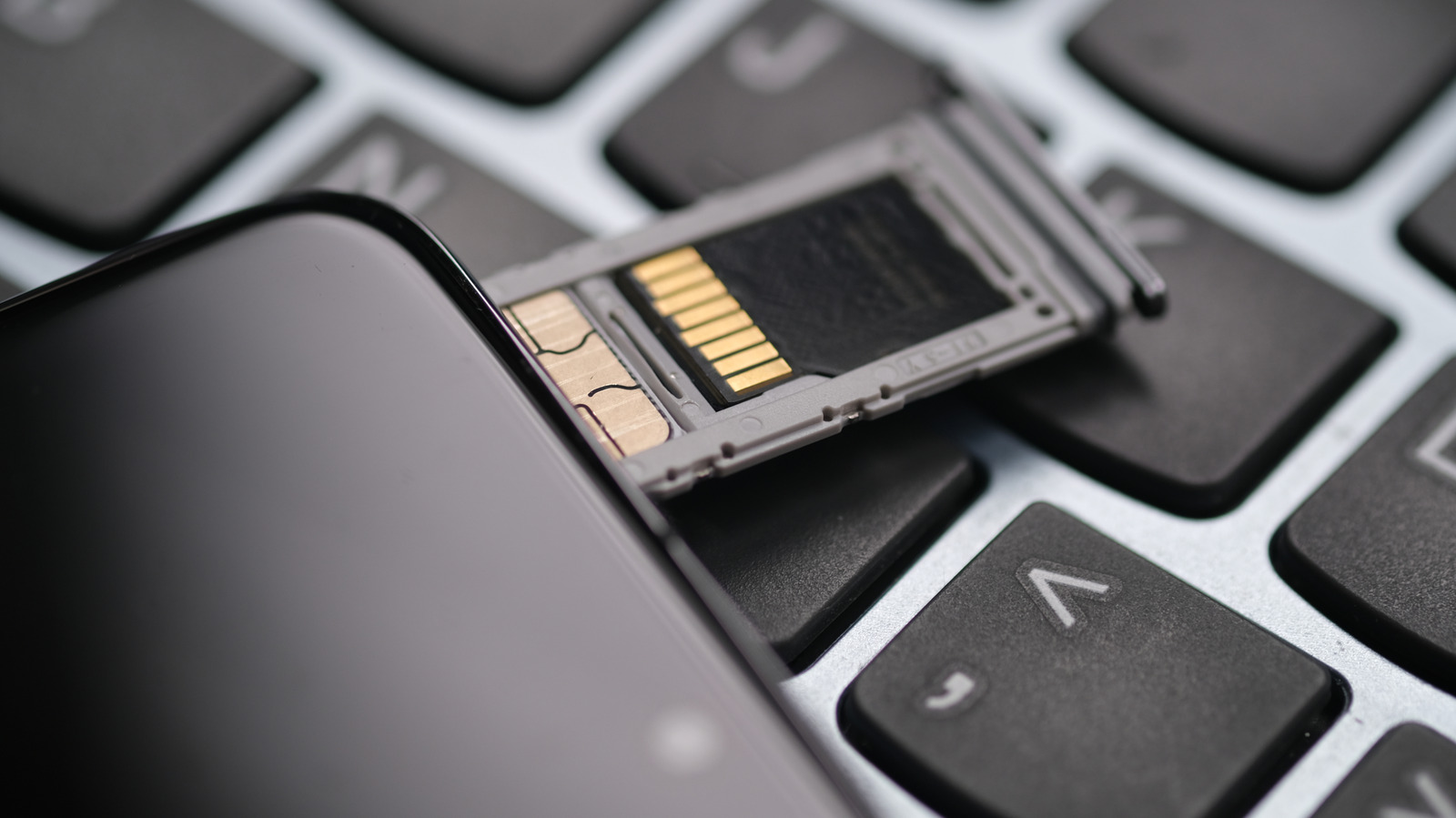
MicroSD card slots were once a ubiquitous feature that almost every Android manufacturer offered in their smartphones. It was part and parcel of what made Android smartphones attractive to some, as you could easily expand your storage after buying the device to add more space for your documents, photos, videos, music, and even apps. After all, phones only offered a small amount of internal storage in the early days, with most shipping with 8 or 16 GB. However, times have changed.
Now, when you look around, you’ll realize that most phones no longer have a dedicated microSD card slot. It seems like the feature has disappeared completely, although there are some Android phones that still come with a microSD card slot. Especially in the high-end segment of the smartphone market, these slots are almost nowhere to be found (with a notable exception being Sony’s flagships), although some brands never embraced SD cards to begin with, like Google with its Pixel series and Apple with its iPhones.
For example, the Samsung Galaxy S26 series, Motorola Razr Ultra (2025), OnePlus 15, and Nothing Phone 3 don’t support microSD cards. But that begs the question: when did smartphone companies stop supporting SD cards? Well, the answer to that isn’t specific, as it didn’t just occur on some random date when almost every company unanimously announced that their phones would no longer support these cards. It was a process that happened gradually over the years.
Smartphones began dropping SD card slots 10+ years ago
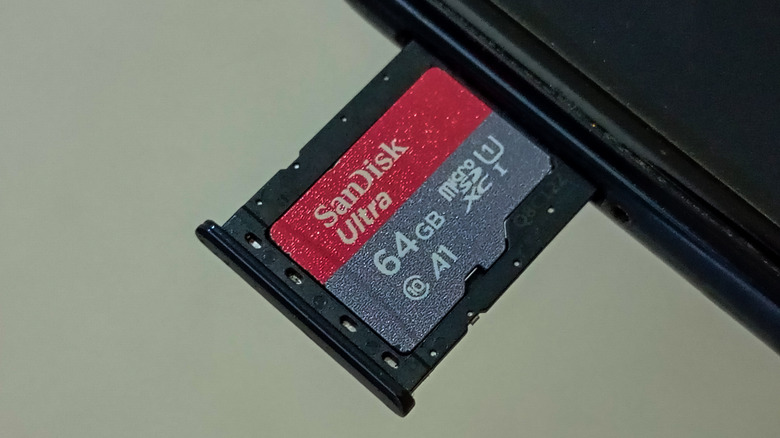
You might think the trend of ditching the microSD card slot from smartphones only started a few years ago, but that isn’t the case. In fact, reports of microSD card slots disappearing from smartphones date back as early as 2015, as demonstrated by an article from ZDNet at the time. That same year, Samsung had just removed the microSD card slot from its Galaxy S6 series devices. However, the company brought it back with the S7 series launched in 2016. But in 2021, Samsung removed the slot for good from its flagship Galaxy S flagships with the introduction of its S21 series.
The Galaxy A series retained the slot until the brand officially ditched it from its budget Galaxy A36 and A56 devices in 2025. Other companies have slowly been following suit, with Huawei ditching expandable storage in its flagship Mate series, starting with the Mate 70 lineup launched toward the end of 2024. It also ditched expandable storage on its Nova series with the launch of the Nova 6 in 2019.
Another example of the change is Motorola’s flagship Edge series removing the slot in 2021, when the company announced the Edge 20 lineup. Unlike the original Edge series launched in 2020, the successor didn’t have a microSD card slot. However, some devices in the company’s budget Moto G series still have a hybrid slot that supports expandable storage. In summary, there isn’t a specific timeline for when smartphone brands stopped supporting expandable storage. It happened gradually, but today, when you browse through the technical specifications of many phones, the majority no longer have the slot.
Why most smartphone brands dropped microSD cards
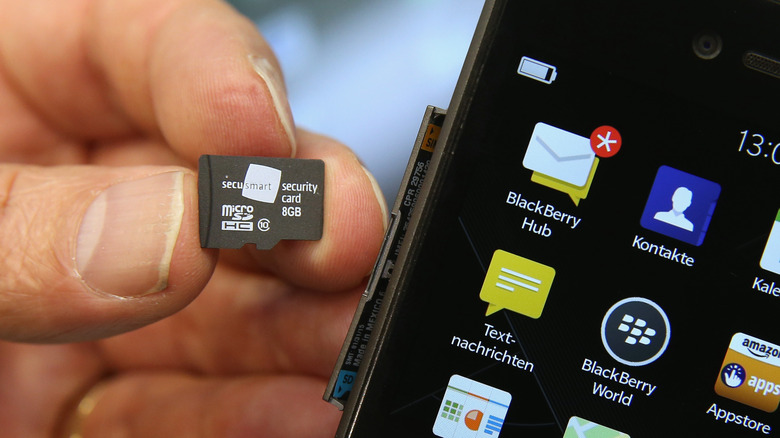
Many of the controversial decisions that smartphone brands make have a reason (or a couple of reasons) behind them. As an example, some of the reasons why smartphones removed the 3.5 mm headphone jack are to have slimmer designs and to free up space for other important components. As for the overwhelming disappearance of expandable storage support in modern smartphones, one of the justifications has been that generic external microSD cards are not capable of matching the speedy UFS flash storage used in current devices.
Although there’s a new microSD Express standard that makes SD cards as fast as SSDs, phone companies are less likely to reinstate the slot since they stand to lose some money in the deal. And that brings us to the second reason: profit. By not including expandable storage, smartphone brands stand to gain by selling storage upgrades. This is because if the storage is fixed to begin with, you’re more likely to upgrade from the base storage model so that you can have enough space for your needs, and this makes the company more money.
For instance, Samsung charges you $200 to upgrade from 256 GB to 512 GB on the Galaxy S26 Ultra (and $300 for an extra 512 GB), while Apple charges $200 for a 256 GB storage bump on the iPhone 17 Pro. However, if a phone includes a microSD card slot, you’re less likely to upgrade internal storage at the time of purchase. You can simply buy a cheap SD card later and add 256 GB, 512 GB, or even 1 TB of storage when you run low on space, and it won’t cost you as much. Besides, you can get it from elsewhere, so the companies can’t overcharge you for it.