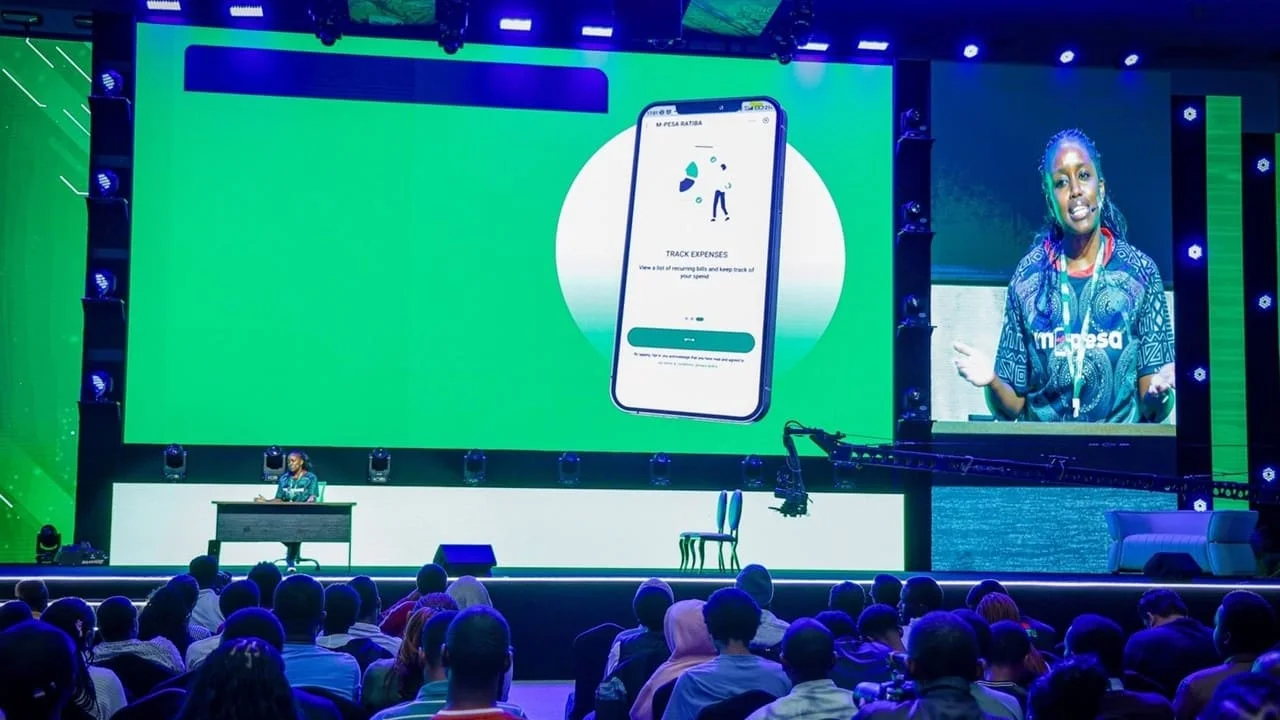
On April 2, Safaricom, Kenya’s largest telco, unveiled its My OneApp, a platform meant to merge the M-PESA and mySafaricom apps with overlapping features.
As part of its FinTech 2.0 strategy, Safaricom wants to keep customers locked in one app where they can do everything from buying airtime, sending and receiving money, investing, and accessing loans. It will enable the company to track user behaviour in a single view.
One app to rule them all… if you can log in: While it’s a thoughtful initiative to curb app switching, Safaricom’s My OneApp has already begun facing crucial performance tests, and so far, the results have been… underwhelming. Only a week after launch, users have begun reporting login failures, incomplete setups, and being locked out entirely.
Safaricom has acknowledged the issue, saying fixes are underway, but for an app that is supposed to replace two core platforms in six months, this is not the smoothest first impression.
What this app is trying to be: My OneApp is Safaricom trying to future-proof itself. The app pulls together payments, telecom services, investments, and about 80 third-party services, including train bookings and M-TIBA health insurance, into one ecosystem. It is built on a setup that can process up to 6,000 transactions per second, according to the telco’s marketing.
So, why is it glitching? The issues point to a few things. The M-PESA app has over 6.5 million users, and the mySafaricom app has under 3 million users. Moving millions of users and their data from older apps into a new system is never clean, and the system might still be catching up.
Safaricom’s all-in-one app has the potential to propel the company forward in Kenya’s fintech sector, but it’s asking millions of users to trust a new home for their money. And for an app meant to replace everything, people expect it to at least let them log in.